She Quit Finance, Flew to Nigeria, and Built an $18 Million Tomato Empire
Nigeria imports $170 million worth of tomato paste every year while half its own harvest rots before it reaches a processor. Mira Mehta saw that gap on a drive through the north and spent ten years closing it. This is how Tomato Jos was built.
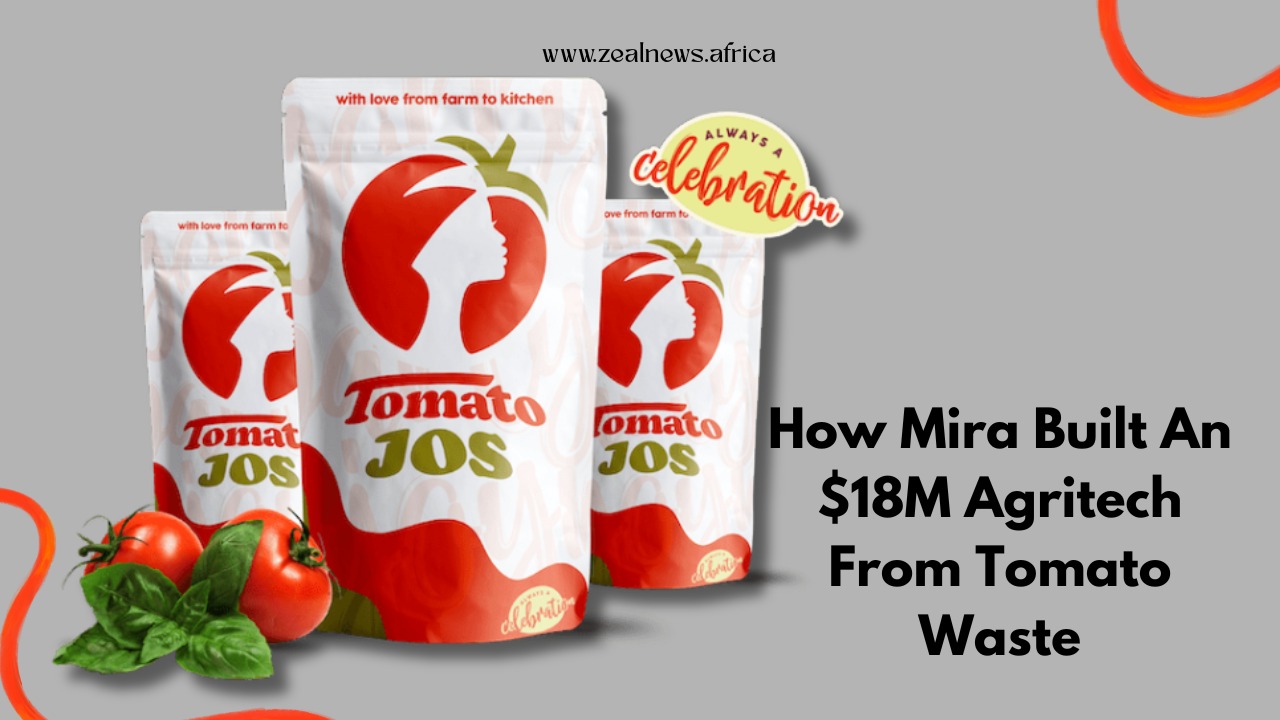
Mira Mehta was not looking for a business idea when she moved to Nigeria in 2012.
She had left a career in finance in the United States to work with the Clinton Health Initiative, focused on improving access to HIV-related healthcare in rural northern Nigeria.
The work took her across the north, from Jos to Kano and beyond, visiting health centres, tracking drug supply chains, and troubleshooting systems that were not working.
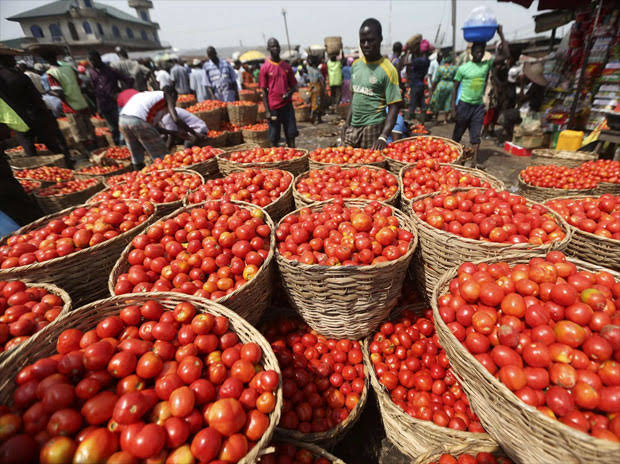
It was on those drives that she kept seeing the same thing. Tomatoes, everywhere, spread across the ground for miles on the sides of roads.
Farmers had grown more than they could sell. Without storage or processing infrastructure to absorb the surplus, they were leaving harvests out in the sun and watching them rot. Most were selling at a loss just to recover something.
At the same time, Mira Mehta knew that tomato paste was a daily staple in Nigerian households. Demand was not the problem.
Nigeria was importing an average of 150,000 tonnes of tomato paste concentrate every year, worth approximately $170 million, while more than 50% of its own fresh tomato harvest was being lost to post-harvest challenges.

The supply existed. The demand existed. The infrastructure to connect them did not.
Mehta went back to the United States in 2012 to complete an MBA at Harvard Business School. She used the time to research the idea, placing second in a Harvard social enterprise competition and walking away with a $25,000 prize. That was the starting capital. She returned to Nigeria in 2014 and founded Tomato Jos.
Building From the Ground Up With Almost Nothing
The early years were lean by any measure.
After the Harvard prize came a $50,000 Kickstarter campaign, followed by small amounts of equity from friends, family, and professional networks. For the first four years, the entire operation ran on roughly $300,000 to $400,000.
Mehta was not drawing a salary. The money went into a small greenhouse for seedlings and a drip irrigation system for three hectares of farmland in Kaduna State.
The focus was not yet on processing. Before a factory could make economic sense, Tomato Jos needed to solve the farming problem first. Nigeria's national tomato yield average at the time was approximately 5 tons per hectare, far too low to make processing viable.
The company spent five years working through that problem, running trials, training farmers, adjusting inputs, and learning what actually worked in Nigerian conditions rather than importing methods from elsewhere.
"You can't just take a perfect system from California and plonk it down in Nigeria and expect it to work. You have to figure out which things move yield the most, and which things are possible in Nigeria given infrastructure constraints," Mehta said.
By the end of that process, Tomato Jos had developed a controlled supply chain model that brought yields from the national average of 5 tons per hectare to around 60 tons.

The model provided partner farmers with inputs, equipment, and technical guidance, creating a reliable supply base that could feed a processing facility.
The Factory That Nearly Did Not Happen
In 2020, Tomato Jos raised €3.9 million to build a tomato paste processing plant in Kaduna. Construction began in January 2020 and stopped almost immediately when COVID-19 lockdowns were enforced across Nigeria.
The timing could not have been worse. Easter is one of the peak periods for fresh tomato sales in Nigeria. With trucks unable to move produce from Kaduna to Lagos and Port Harcourt, prices collapsed and the company took a significant loss on its harvest. The factory construction sat idle.
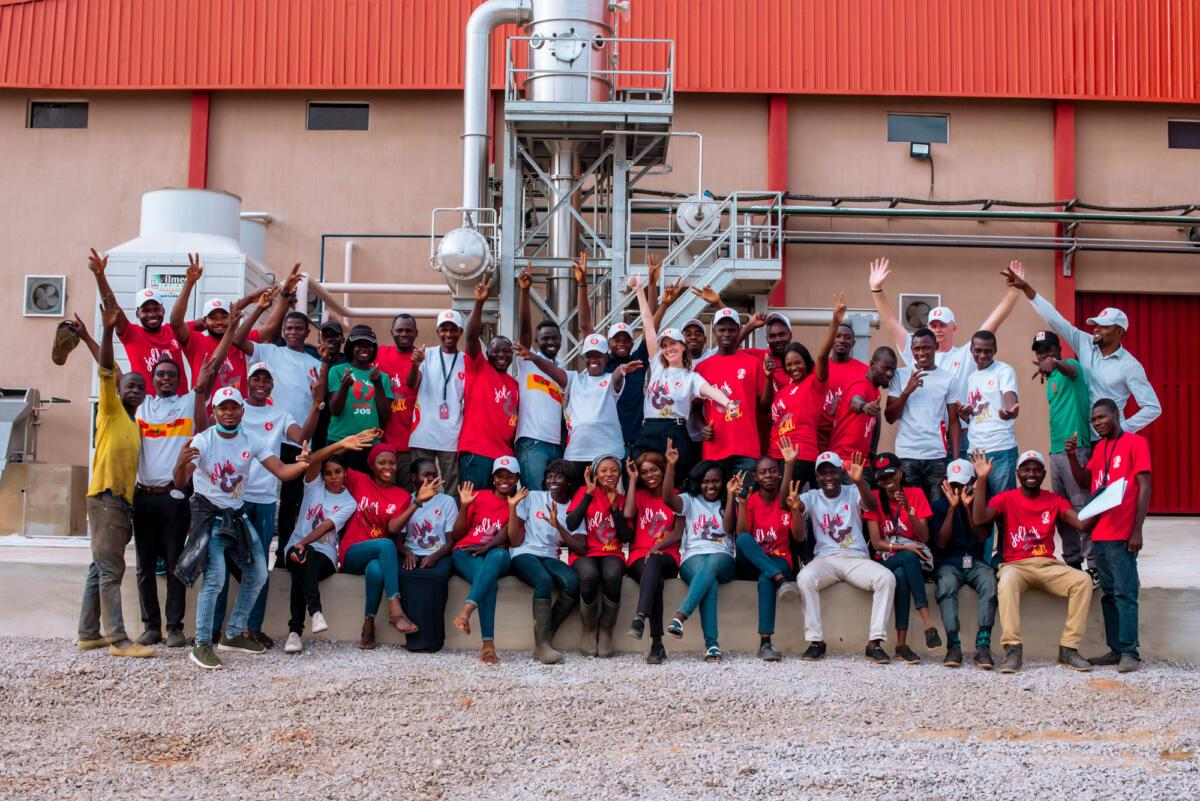

When restrictions lifted in August, construction resumed. Sixteen containers of Italian processing equipment worth €3.5 million were imported and arrived at the farm just before Christmas.
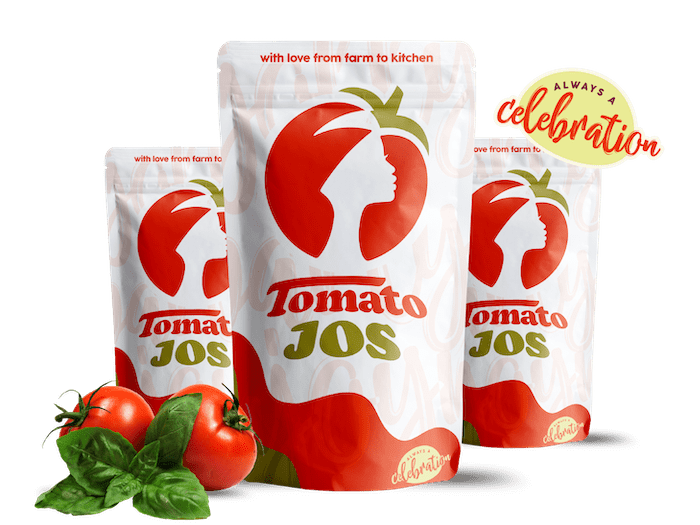
The first production test ran in March 2022. By early 2023, the factory was operational and Tomato Jos tomato paste was on shelves in Nigerian markets for the first time.
The facility is the third largest tomato processing plant in Nigeria, capable of processing 3.5 tons of fresh tomato per hour. It is also the only factory in the country producing tomato paste without relying on imported tomato concentrate, meaning the entire product, from farm to sachet, is Nigerian.
Changing What Nigerian Consumers Believe About Nigerian Products
Getting the factory built was the operational challenge. Getting Nigerian consumers to buy a locally made product was a different problem entirely.
Nigerian markets have historically favoured imported goods, with locally produced alternatives often perceived as lower quality. For Tomato Jos, overcoming that perception required direct consumer engagement rather than advertising.
The company invested heavily in product sampling, putting the paste directly in consumers' hands and letting the quality make the case.
The strategy worked. Tomato Jos now distributes across Lagos, Abuja, Port Harcourt, and Benin. The company has worked with over 10,000 farmers, a significant proportion of them women, and the impact on farmer incomes has extended beyond the farm, with participants reinvesting earnings into motorcycles, poultry businesses, and agricultural equipment.
In 2024, Tomato Jos closed a $12.2 million funding round, the largest raise by a female-led startup in Africa that year, bringing total funding raised to over $18 million.
What the Numbers Actually Mean
Nigeria is the second largest tomato producer in Africa and accounts for roughly 65% of all tomatoes grown in West Africa. It harvests over 1.5 million tons annually. It should not be spending $170 million a year importing tomato paste.
The Tomato Jos story is not simply about one company's growth. It is evidence that the infrastructure gap in Nigeria's agricultural sector is closeable, that the farmers, the land, and the demand have always been there, and that what has been missing is the investment and systems to connect them.
Mehta has been direct about what that means. "I always say Nigeria chose me."
A decade after she first saw tomatoes rotting on the side of a northern road, her company is the only one in Nigeria processing tomato paste entirely from local produce. The question that remains, for investors, for government, and for the sector , is who builds the next one.