Ruto's Vision: Kenyan President Charts Course for Coast's Housing, Power, and Urban Future
The Kenyan Coast is shifting its development focus from tourism to critical infrastructure needs, including housing, power, and urban management. President William Ruto's recent tour highlighted major investments in affordable housing in Mombasa and significant energy infrastructure projects like the Mariakani Sub-Station and Last Mile Connectivity in Kilifi. These initiatives aim to support the region's burgeoning population and economic expansion, preparing it for sustained urban and industrial growth.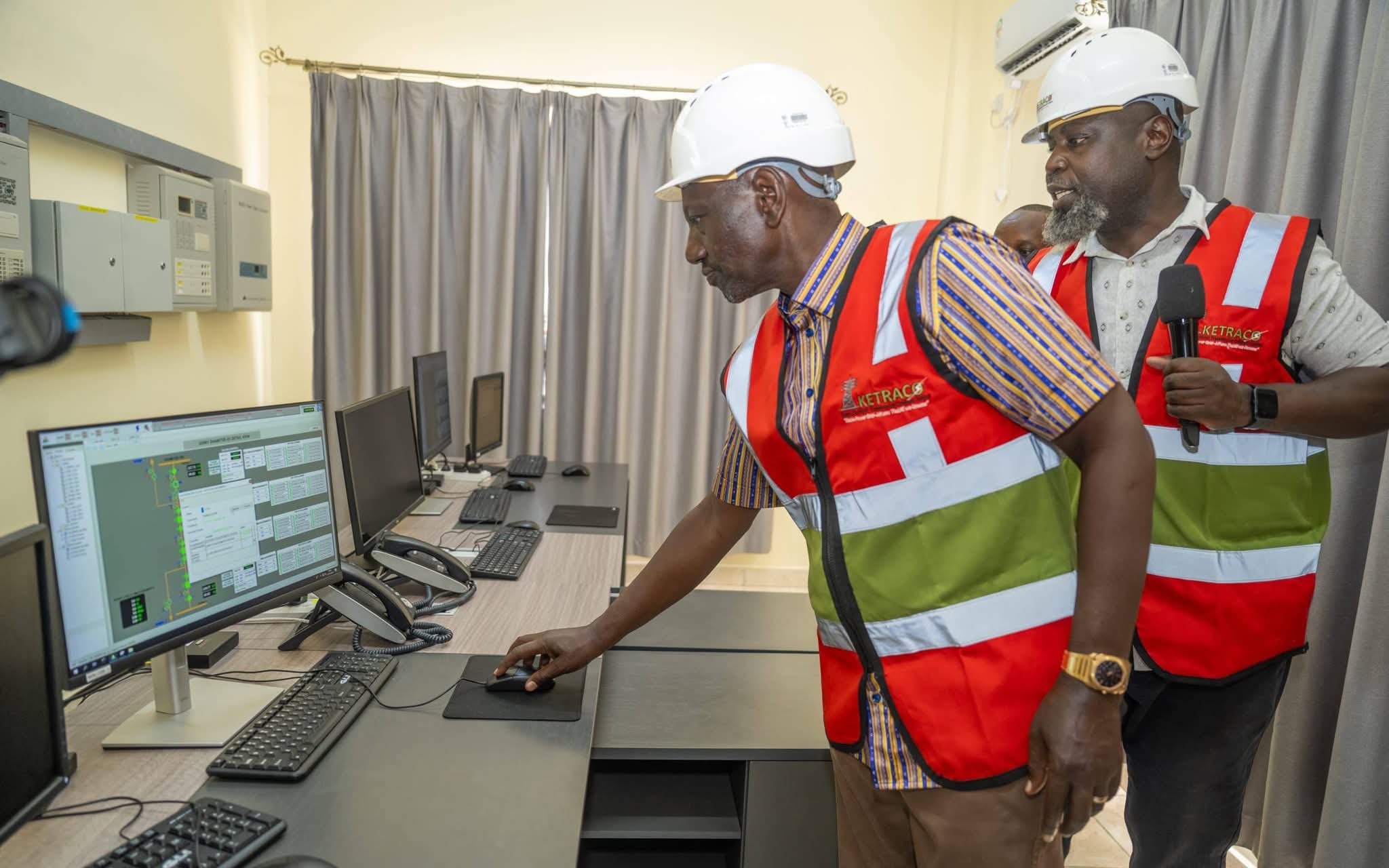
For a considerable period, development discussions concerning Kenya's Coast region have predominantly centered on the tourism industry, port operations, and its renowned beaches. However, beneath this surface, a new and critical conversation has been steadily gaining prominence: the pressing issues of housing, power infrastructure, and the growing urban pressure. This shift brings forth a crucial question regarding whether the region's existing infrastructure is adequately evolving to keep pace with its expanding population and increasing economic significance.
This underlying concern largely informed the focus of President William Ruto's recent working tour across Mombasa and Kilifi counties, where significant investments in these areas were unveiled. In Mombasa, the government announced a substantial Ksh31 Billion investment earmarked for the construction of approximately 10,000 affordable housing units. This initiative forms a strategic component of a broader national effort to tackle the escalating urban housing demand in Mombasa, one of Kenya’s most densely populated counties.
During his visit, President Ruto also laid the foundation stone for the Makupa Affordable Housing Project, which is situated alongside the Makupa Modern Market in Mvita Constituency. This dual project, valued at around Ksh600 Million, underscores a commitment to both housing and economic development. The housing programme is envisioned to foster home ownership and simultaneously stimulate job creation across various sectors, including construction, transport, supply chains, and the proliferation of small businesses that emerge around burgeoning urban settlements. Concurrently, the modern market project signifies ongoing investment in formal trading spaces, meticulously designed to accommodate the region's expanding urban commerce, locally known as 'biashara,' while also enhancing working conditions for traders.
Beyond housing and market modernization, energy infrastructure constituted a pivotal element of the presidential tour. In Kilifi County, President Ruto officially commissioned the 400/220kV Mariakani Sub-Station, a critical investment valued at Ksh3 Billion. This project is poised to significantly bolster electricity reliability and grid stability not only across Kilifi but also in its surrounding areas, including the strategically vital Dongo Kundu Special Economic Zone. The sub-station’s significance cannot be overstated, as power stability is a fundamental prerequisite for industrial growth, manufacturing expansion, efficient logistics, and attracting large-scale investments. Without dependable electricity, industrial zones inherently struggle to draw serious investors, irrespective of their geographical advantages.
Furthermore, the government launched the Last Mile Connectivity Project in Mariakani, targeting the provision of electricity access to over 24,000 homes this year at a cost of Ksh2.5 Billion. This expansion of electricity access extends its impact far beyond mere lighting. In numerous growing towns and peri-urban areas, access to reliable electricity directly influences the viability of small businesses, supports refrigeration needs, enables digital work, enhances security, facilitates education, and boosts overall household productivity.
Collectively, the projects inaugurated during the Coast tour exemplify a wider infrastructure development pattern currently unfolding across several Kenyan counties. This pattern is characterized by focused efforts on housing expansion, the modernization of market facilities, and substantial investments in energy infrastructure. These integrated initiatives represent concerted attempts to prepare these regions for increased economic activity and sustained growth in the years to come. Increasingly, the overarching narrative transcends merely building new projects; it delves into the more profound question of whether counties outside the capital, Nairobi, are successfully developing the comprehensive systems necessary to support long-term urban and industrial growth.