Uganda Just Challenged One of Africa's Oldest Courtroom Traditions. Now the Real Debate Begins
Uganda's Law Society has banned lawyers from calling judges "My Lord" and bowing in court, reigniting Africa's long-running debate over colonial legal traditions, judicial wigs, and who gets to shape courtroom culture.
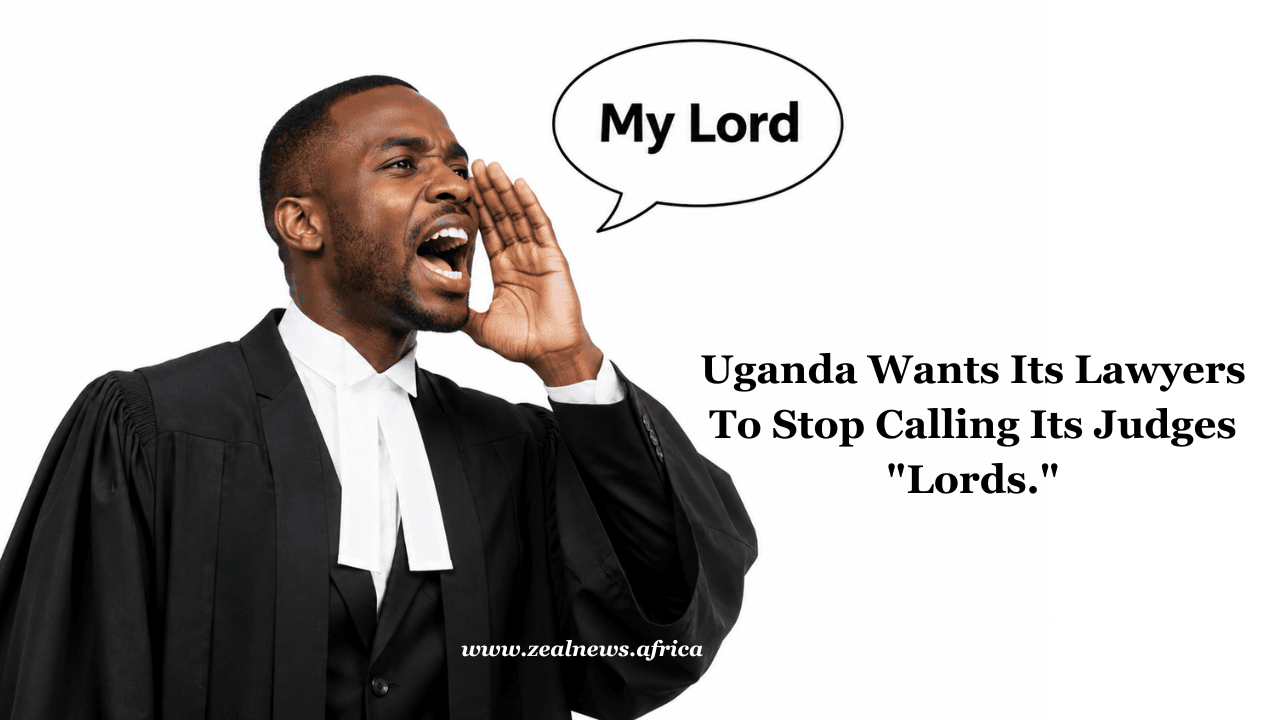
A courtroom is choreography before it is law. Even if you've never stepped inside one, you've almost certainly seen the ritual play out in films, television, or viral courtroom clips online.
Everyone rises as the judge enters, and the lawyers bow as a sign of respect, or maybe not. Every submission begins with a carefully measured statement of "My Lord," followed by an equally rehearsed "Objection, My Lord."
None of those rituals decides guilt or innocence. None is written into the facts of a case. They are inherited performances, traditions that have survived long after the systems that created them. And on July 7, 2026, one of East Africa's most outspoken legal bodies decided that one part of that performance had lasted long enough and an end needed to be put to it.
What Just Happened
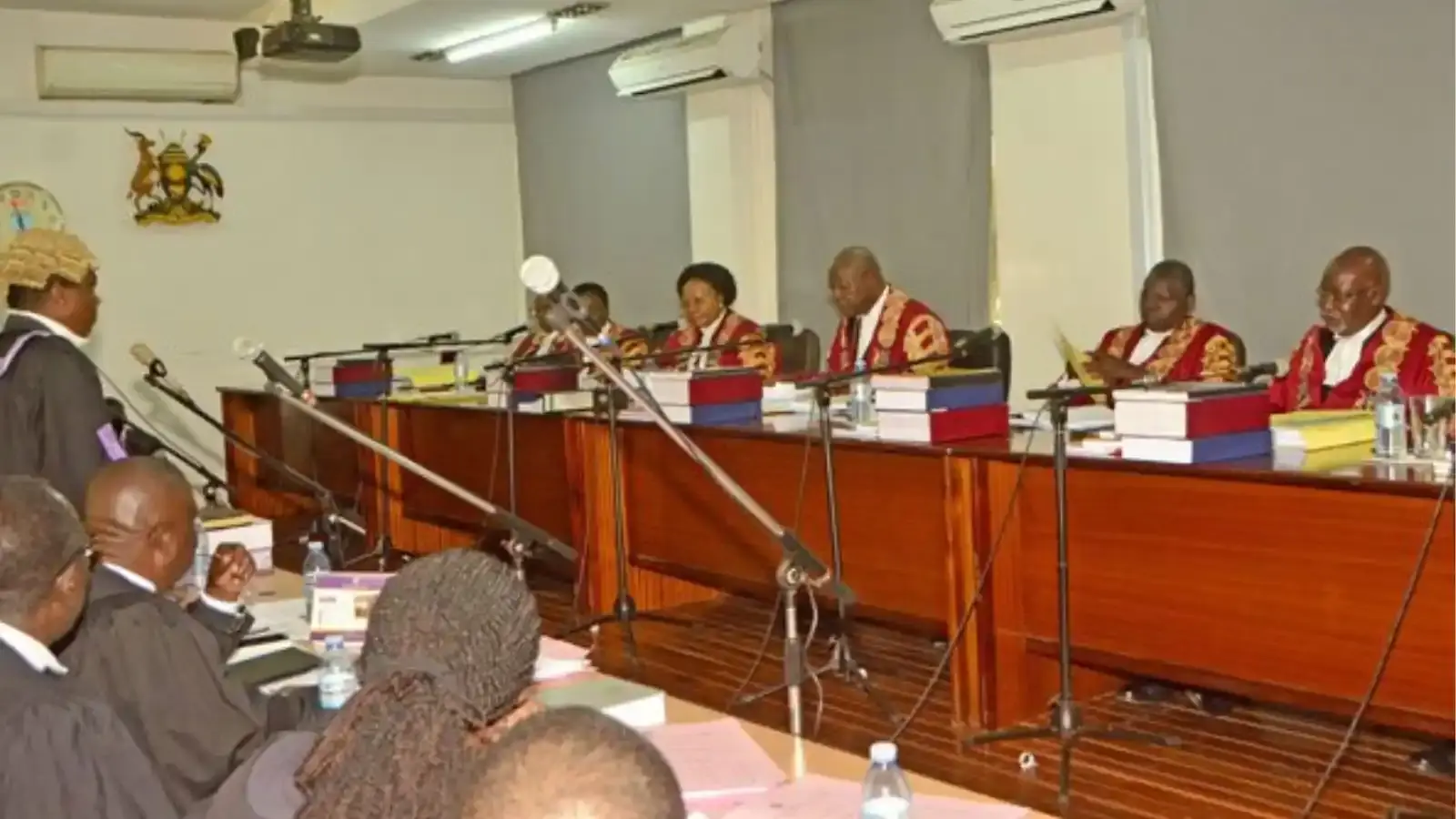
The Uganda Law Society (ULS), the professional body representing the country's advocates, issued Executive Order RNB No. 12 of 2026, which has been circulating on Instagram, abolishing what it described as "colonial court culture."
Under the directive, ULS members are no longer expected to bow before judicial officers or address them as "My Lord," "Your Lordship," "My Lady," or "Your Worship."
Instead, judges are to be addressed by professional titles such as "Mr. Justice," "Madam Justice," "Mr. Judge," "Madam Judge," or simply by name, such as "Judge Okello" or "Magistrate Nakato," in much the same way professionals address one another in other fields.
ULS President Isaac K. Ssemakadde deliberately timed the order to coincide with Saba Saba Day, East Africa's annual commemoration of resistance against authoritarian rule.
He presented the directive as part of a challenge to what he described as a judiciary weakened by executive capture, corruption, and prolonged pre-trial detention. In the Society's view, honorifics such as "My Lord" elevate judicial officers above citizens who, in a constitutional democracy, are ultimately their employers.
What It Signals for Kampala

This is where the story becomes more interesting, because the directive did not land with applause. It landed with resistance. Within two days, Uganda's Judiciary publicly rejected the order.
Speaking to the BBC, a judiciary spokesperson argued that the Law Society could not dictate courtroom protocol to judges, insisting that the Bench alone determines how its proceedings are conducted and that any reforms should come through formal institutional processes rather than a directive from the country's Bar association.
That disagreement reveals something deeper than a dispute over courtroom etiquette. Ssemakadde has, after all, been leading the Uganda Law Society from exile for the past eight months.
Before this latest directive, he had already removed the Attorney General and Solicitor General from their automatic seats on the Society's governing council in 2024. A Bar president issuing courtroom reforms from outside the country, only for the Judiciary to dismiss them within forty-eight hours, paints a striking picture of two institutions testing the limits of their authority while the real balance of power remains contested.
The argument, in other words, is no longer just about what lawyers should call judges. It is also about who gets to define the culture of justice itself.
Where "My Lord" Actually Comes From
For many Africans, "My Lord" sounds so familiar that it almost feels indigenous. It isn't. The title traces its roots to English common law, where judges historically occupied positions closely tied to the British aristocracy.
As the British Empire expanded, those customs travelled with it, becoming embedded in colonial legal systems across Uganda, Kenya, Nigeria, Ghana, Malawi, and many other territories.
Political independence, however, did not automatically dismantle legal tradition. Most former British colonies retained the wigs, the robes, the Latin expressions, and the elaborate courtroom honorifics they inherited.
Not necessarily because they remained loyal to Britain, but because rebuilding an entire legal culture is far slower and far more complicated than lowering one flag and raising another.
The Wig Question Is Debate Waiting For An Answer
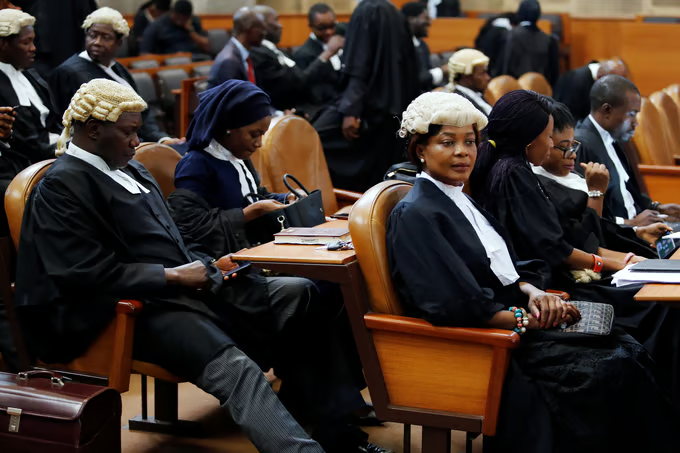
Ssemakadde's directive does not stop with courtroom titles. It also opens a ninety-day consultation on whether Uganda should continue using judicial wigs and gowns.
In truth, Uganda is joining a debate that has been unfolding across Africa for years. Malawi scrapped off colonial court procedures in 2017. Zimbabwe followed in 2020. South Africa abandoned them after apartheid as part of a constitutional transformation designed to distance its courts from colonial symbolism. Burkina Faso's military government has since prohibited them altogether.

Ironically, even Britain has been moving away from some of these traditions. Wigs are now largely reserved for criminal proceedings, while the Bar Council has relaxed expectations for barristers amid complaints that the attire is uncomfortable, impractical, and poorly suited to African hair and tropical climates.
Kenya and Nigeria, meanwhile, have spent more than a decade debating similar reforms but have ultimately retained the attire, partly because the symbolism has evolved beyond its colonial origins. For many lawyers today, the robes represent the office rather than the empire that introduced them.
The Quiet Discomfort Underneath

Perhaps that explains why conversations like this provoke such strong reactions. Customs built around deference often survive not because people passionately defend their origins, but because questioning them feels strangely uncomfortable.
Younger lawyers enter the profession watching their seniors bow before judges, repeating rituals that are presented simply as "how things have always been done."
Law, by its very nature, is a profession built on precedent. It rarely abandons old habits without careful justification. That inertia may be the strongest argument for why meaningful change almost always arrives as a disruption rather than a gradual consensus.
Yet an even more uncomfortable question sits beneath this entire debate. Does abandoning the phrase "My Lord" amount to genuine decolonisation?
Or is it a relatively inexpensive reform that allows legal systems to appear transformational while much larger problems remain untouched, from endless case backlogs and executive interference to unequal access to justice and overcrowded prisons?
Symbols matter. But institutions matter even more. Should the Rest of Africa Follow?
Perhaps. But if they do, it is unlikely to happen all at once.
The stronger argument is not really about retiring the phrase "My Lord." It is about asking which colonial-era practices continue to shape whether justice is accessible, understandable, and fair.
Across much of Africa, court proceedings are still conducted primarily in English or French rather than local languages. Filing fees continue to discourage poorer citizens from pursuing justice.
Entire legal codes still rely heavily on statutes written for societies that looked very different from the ones they now govern. Changing an honorific is comparatively easy.
Fixing institutional backlogs, strengthening judicial independence, and making justice genuinely accessible are much harder.
What Uganda has done, then, is not to settle a debate. It has reopened one. And how the country's Judiciary and Bar navigate that debate over the coming months may ultimately reveal far more about the health of Uganda's justice system than whether lawyers continue saying "My Lord" ever could.