Raising Children Under Pressure: Parents Carry the Weight of a Good Life
Parents often carry the weight of providing a good life amid economic pressures. This article talks about how their struggles influences family life and children’s emotional experiences, with practical strategies to manage stress.

Imagine laying awake at night, thinking about how to make tomorrow better for your children. Every bill, every missed opportunity, every rising cost feels like it lands squarely on your shoulders. Wondering if you are doing enough, the time stolen from sleep to work extra hours, the sacrifices made quietly each day, would be enough to give them the life you wish they could have.
The Weight of Providing
Parents face a constant tug-of-war between what is possible and what is needed. Rising rents, fluctuating salaries, and school fees influences daily decisions, from what to cook to whether to take an extra shift. Sometimes it means skipping your own lunch so your child can have a hot meal, or working a double shift while hoping someone else can help with homework. Every day becomes a series of trade-offs between immediate needs and long-term opportunities.
The pressure is not only financial. Social expectations, which include family, neighbors, friends, subtly demand that children appear well-fed, neatly dressed, and equipped for success. Parents scramble to provide clothes, gadgets, school supplies, and sometimes small treats that signal care. Even with the best intentions, this constant need to meet expectations can turn the home into a space where tension simmers quietly.
UNICEF reports that parents under economic strain experience higher levels of stress and anxiety, which can influence household dynamics and children’s emotional security. The struggle to provide is real, and its pressure touches everyone in the household.
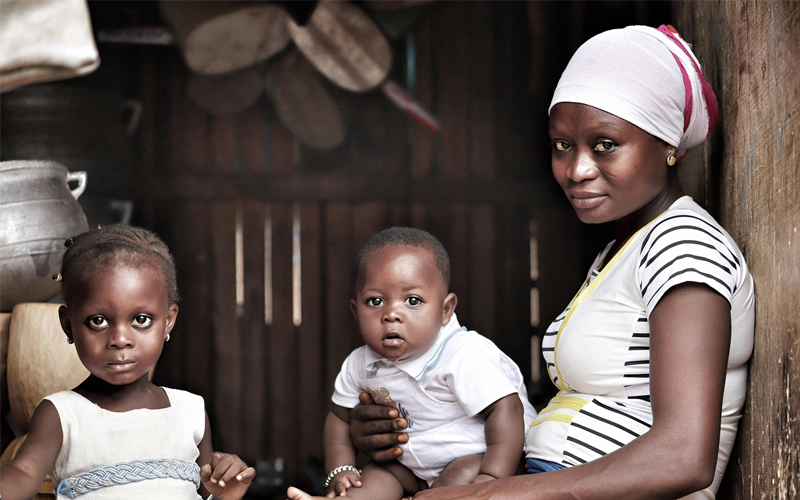
Long commutes, unpredictable work hours, and extra shifts reduce the time parents have for small moments of connection. Children notice the tired sighs over breakfast, the hurried hugs goodbye, and the parents’ attention divided between bills and bedtime stories. Material provision alone cannot substitute for emotional presence, yet parents are often forced to choose between the two.
Even simple choices carry weight. Should I pay for that extra tutoring session or save for unexpected medical expenses? Should I attend my child’s school event, or stay late at work to ensure rent is paid? These decisions, though made from love, often bring anxiety that ripples through the household. Each choice carries the invisible pressure of shaping a better life.
The Emotional Ripple on Family Life
Children are astute observers. Even if they do not speak about it, they sense the strain in their parents’ movements, tone, and schedules. A parent’s hesitation over money or time can quietly teach children that every action carries consequences. Children growing up in such households often internalize responsibility for practical and emotional outcomes beyond their years.
Research confirms the emotional impact of parental stress. A study on the interplay between parental stress and children’s emotional securityfound that when parents experience high daily stress, it directly influences children’s feelings of attachment and emotional safety in the parent‑child relationship, showing how stress in caregivers can affect children’s emotional development and behavior.
Economic pressure teaches both parents and children lessons about resourcefulness. Waiting in long lines at the bank, planning meals around limited ingredients, and making lists for school supplies become shared exercises in resilience. Moments of connection, a brief chat on the bus, laughter over a spilled drink, a story read together at night, help stabilize relationships. Presence and small acts of care can counterbalance the strain of daily pressures.
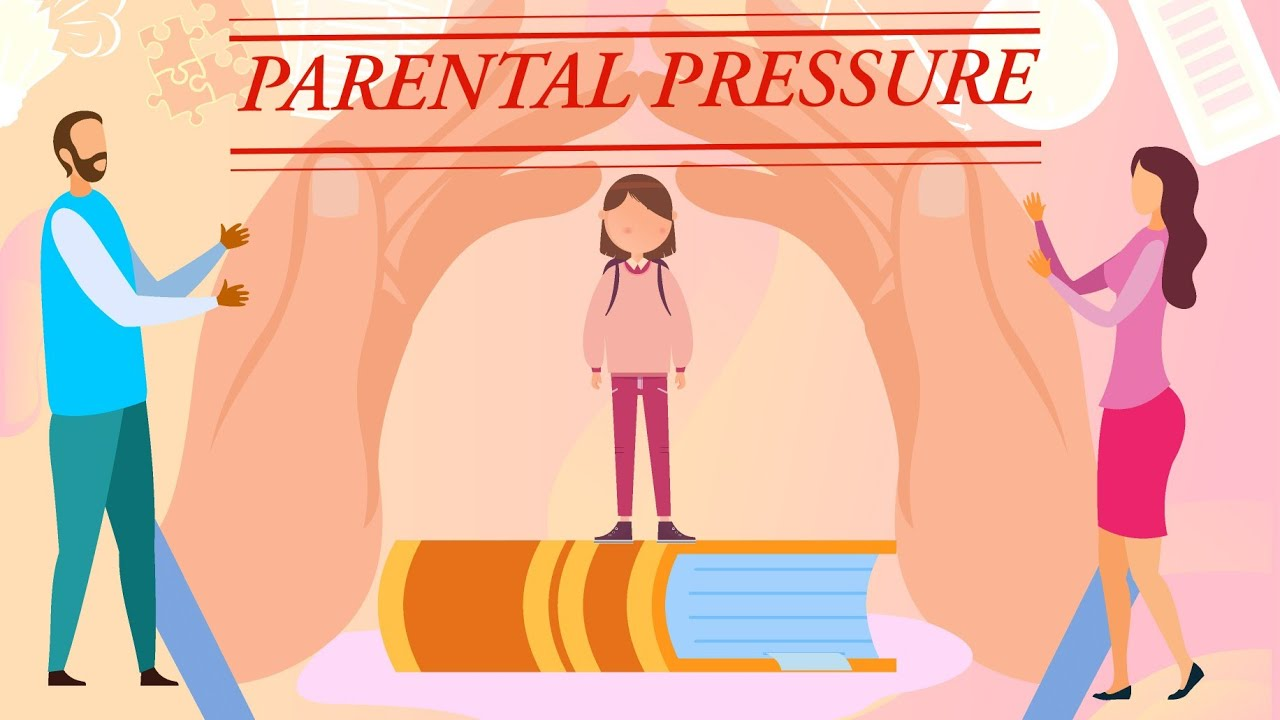
Yet when the pressure is constant and relief scarce, both parents and children can feel stretched thin. Patience diminishes, conflicts rise, and joy becomes fleeting. Parents who manage stress openly, seek help when necessary, and communicate calmly model resilience. Carrying the weight does not mean letting it dominate the emotional life of the family.
Ways to Navigate the Pressure
Even under economic and social strain, parents can take steps to reduce tension and support both themselves and their children. Small, consistent strategies can make a meaningful difference in daily life.
One approach is to prioritize emotional presence over perfection. You may not have enough time or money for every opportunity, but moments of focused attention like reading a story, helping with homework, or simply asking about their day, show children they matter. These small gestures create emotional security that cannot be bought.
Another strategy is to create realistic routines and boundaries. Knowing when to work, when to rest, and when to spend time with children reduces chaos and unpredictability. Children feel safer and parents feel less overwhelmed when expectations and routines are clear. Even simple measures, like planning meals ahead or setting aside a dedicated homework hour, can reduce stress for everyone.
Parents can also seek support from community or professional resources. Whether it’s extended family, neighbors, parenting groups, or online communities, leaning on others can lighten the load. Local social programs and organizations like UNICEF provide resources and tips for families navigating economic challenges. Asking for help is not a sign of weakness; it’s a way to model problem-solving and resilience for your children.

Finally, communicate openly about challenges without creating fear. Sharing that bills are tight or that work is demanding can be framed in a way children understand responsibility without feeling anxious. Honest conversations help children learn empathy and patience while reducing the invisible pressure they absorb.
You may not notice it every day, but the choices you make and the stress you carry determine the home your children experience. Skipping your own rest, juggling errands, and working extra hours teaches children lessons about responsibility, yes, but also about endurance and care. Raising children under pressure is not about being perfect; it is about showing up, making difficult decisions with love, and finding moments of connection amid the tension. When you laugh together over spilled cereal, finish a homework assignment side by side, or simply share a quiet hug before bed, you show them that life is challenging, yet love, presence, and care make all the difference.