Pontiff's Historic Visit to Angola: Pope Leo XIV Confronts Dark Past at Slave Trade Shrine

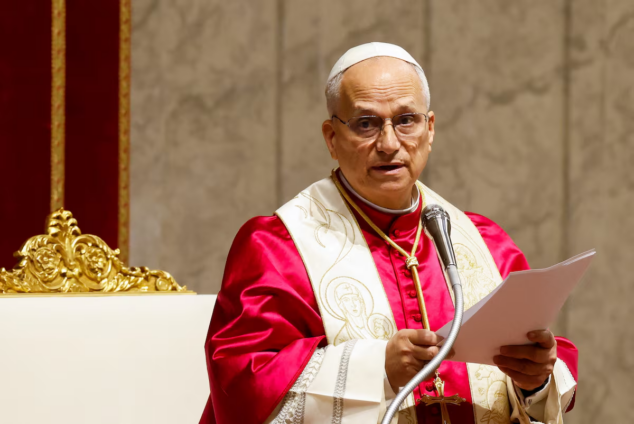
Pope Leo XIV embarked on the third leg of his four-nation African tour with a significant visit to Angola, an oil- and mineral-rich country in south-west Africa. On Saturday, following a meeting with Angolan President João Lourenço, the Pope delivered his inaugural address to the country's governing authorities. In his speech, the Holy Father repeatedly acknowledged Angola's turbulent history, which has been profoundly scarred by colonial plunder and a protracted civil war. He asserted, "I wish to meet you in a spirit of peace and to affirm that your people possess treasures that can neither be bought nor stolen." Pope Leo XIV directly confronted the nation's historical exploitation, cautioning, "You know well that, all too often, people have looked – and continue to look – to your lands in order to give, or, more frequently, to take."
Angola's economic significance is undeniable, positioning it as Africa's fourth-largest oil producer and among the world's top 20, according to the International Energy Agency. Additionally, the country is globally recognized as the third-largest diamond producer and holds substantial deposits of gold and other highly sought-after critical minerals. However, this natural abundance starkly contrasts with the living conditions of a significant portion of its populace; the World Bank estimated in 2023 that over 30% of Angolans lived on less than €1.83 a day. The Holy Father decried this disparity, urging that "This cycle of vested interests must be broken, which reduces reality and even life itself to mere commodities."
Angola's post-independence era, following its liberation from Portugal in 1975, was immediately plunged into a brutal 27-year civil war. More recently, President João Lourenço's administration, which took office in 2017, estimated that a staggering €20 billion had been stolen or embezzled by former President José Eduardo dos Santos. Lourenço's government committed to tackling corruption and actively works to recover funds allegedly looted during the dos Santos family's tenure. Yet, critics contend that serious corruption issues persist, and they question whether Lourenço's actions are primarily aimed at consolidating his own power by sidelining political rivals. Standing alongside Pope Leo XIV, President Lourenço affirmed his government's dedication to improving the lives of its citizens, acknowledging it as a "complex and difficult challenge." He also used the occasion to call for an end to the war in Iran and implored the Pope to continue utilizing his "moral authority" to foster peace and understanding globally.
The Pope's visit continued with a Sunday morning Mass in Kilamba, located approximately 30 kilometers south of Luanda, where he appealed for peace in Ukraine and across the Middle East. Speaking in Portuguese, Pope Leo XIV specifically addressed the pervasive "wound of corruption" in Angola, advocating for its healing. He articulated a hopeful vision for a nation where "old divisions are overcome for good, where hatred and violence disappear, where the wound of corruption is healed by a new culture of justice and sharing," as reported by the Ecclesia news agency.
Following the Mass in Kilamba, the Holy Father traveled to Muxima, a destination considered the highlight of his Angolan visit. At the Mamã Muxima (Mother of the Heart) church, a celebrated Catholic shrine in a country where approximately 44% of the population is Catholic, Pope Leo XIV prayed the rosary. This site carries immense historical weight; Angola was widely regarded as an epicentre of the transatlantic slave trade, with estimates suggesting over 5 million enslaved Africans were shipped across the ocean on Portuguese vessels. Muxima, often described as "the largest Catholic pilgrimage centre in Southern Africa and a symbol of popular devotion in Angola," profoundly reflects the complex relationship between Roman Catholicism and the historical exploitation of the African continent. The site gained popularity as a pilgrimage destination after reports of an apparition of the Virgin Mary there around 1833. Notably, Pope Leo XIV, born Robert Francis Prevost in the United States, possesses both Black and white ancestry, including forebears who were both enslaved people and slave owners, according to genealogical research.
You may also like...
Man City Triumphs Over Arsenal, Seizes Control of Premier League Title Race!

Manchester City defeated Arsenal 2-1 with Erling Haaland's winner, tightening the Premier League title race. This pivota...
Netflix Exclusive: Centineo & Sweeney Sci-Fi Movie Eyeing 'Biggest Anime Adaptation Ever' Title
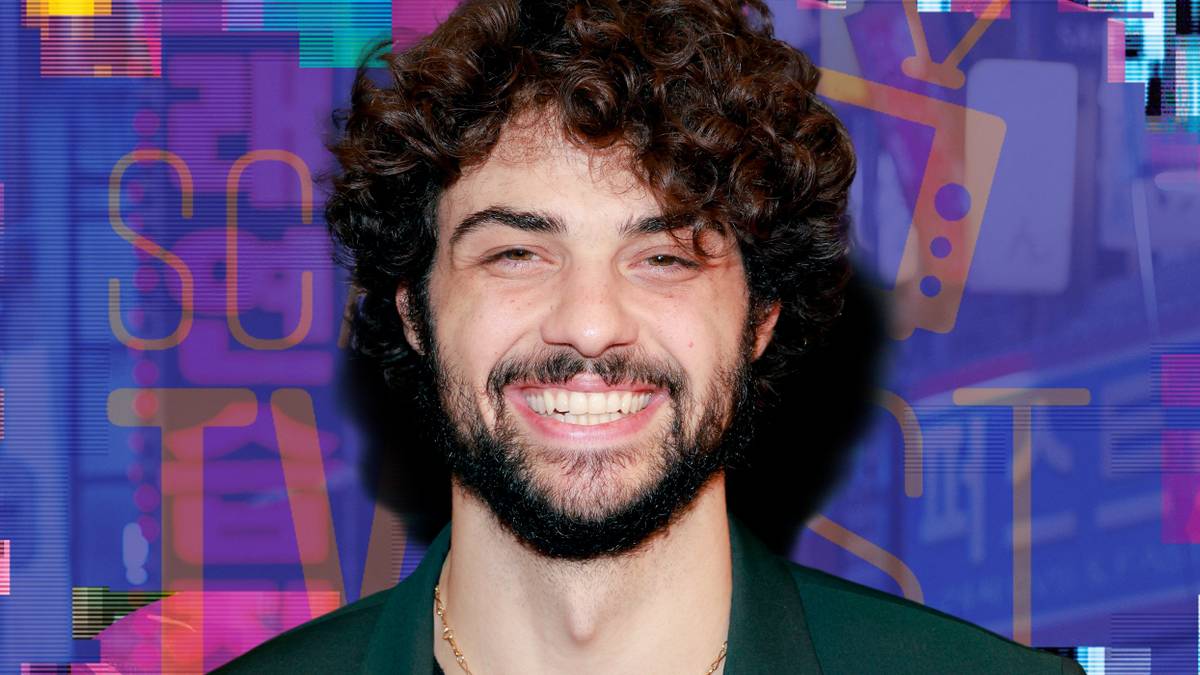
The iconic anime series Gundam is finally getting a live-action movie adaptation, with Noah Centineo and Sydney Sweeney ...
Lord of the Rings Shakes Things Up: Aragorn Recast for 'Hunt for Gollum'!
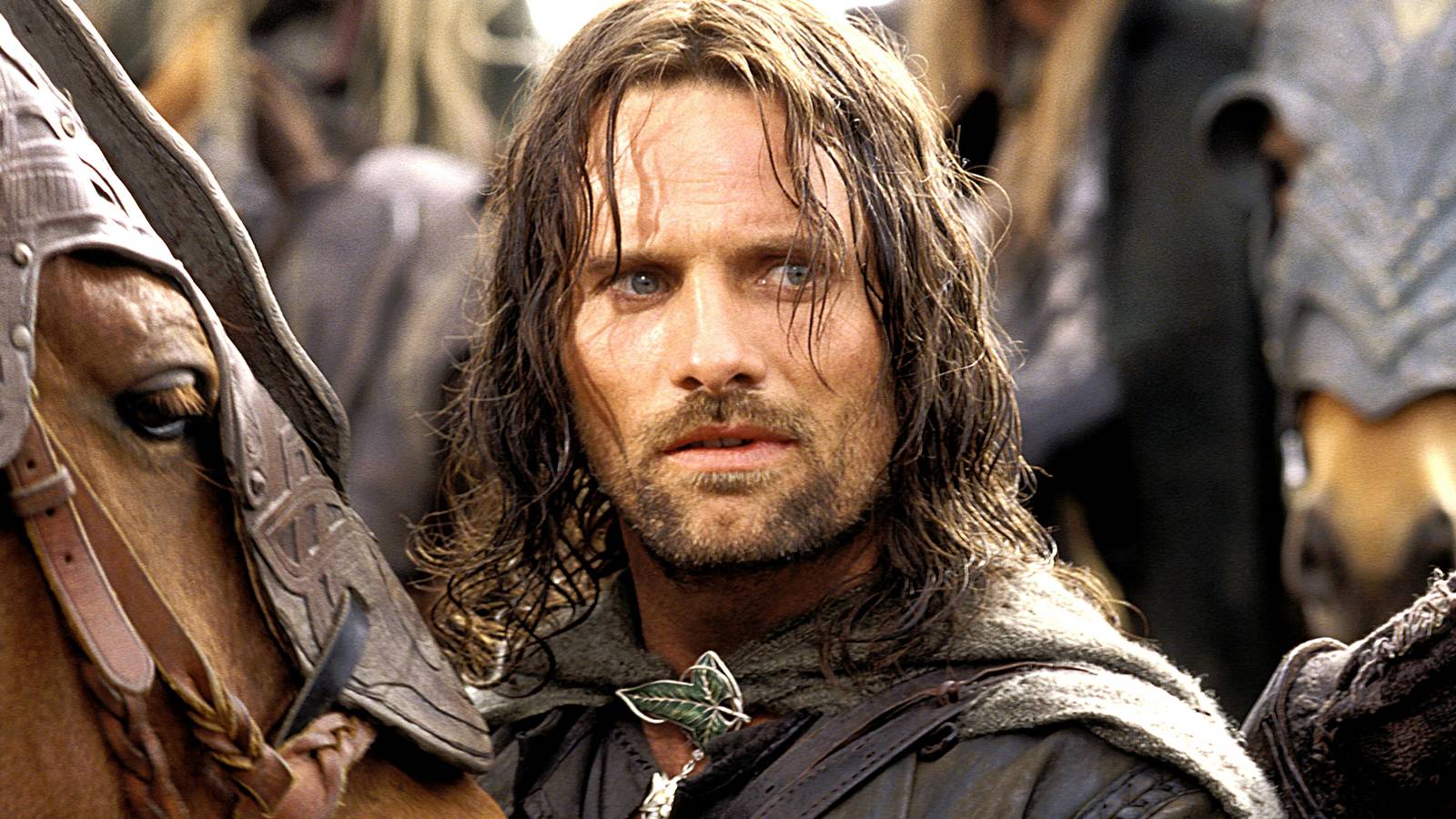
Jamie Dornan is set to play Aragorn in 'The Lord of the Rings: The Hunt for Gollum', a role famously inhabited by Viggo ...
Steven Soderbergh's Visionary Success Secret Powers HBO's Latest Must-Watch Drama

Michaela Coel shares profound insights from her work on "The Christophers" with Ian McKellen and Steven Soderbergh, deta...
Palantir Ignites Controversy with Anti-Inclusivity Manifesto
Palantir recently released a summary of CEO Alex Karp's book, "The Technological Republic," articulating the company's c...
Louisiana Horror: Mass Shooting Claims Eight Young Lives

A horrific mass murder in Shreveport, Louisiana, resulted in the deaths of at least eight children, alongside other inju...
Pontiff's Historic Visit to Angola: Pope Leo XIV Confronts Dark Past at Slave Trade Shrine
Pope Leo XIV concluded the Angolan leg of his African tour, addressing historical injustices, the urgent need to combat ...
High Stakes US-Iran Diplomacy: Last Chance Talks Begin in Pakistan

High-stakes talks between the US and Iran are underway in Pakistan as a two-week ceasefire nears its end, with President...