Atiku, Obi, Kwankwaso, Makinde Set for Aug. 18 Opposition Unity Talks
A coalition of concerned Nigerians, G100, has concluded its first phase of talks with six opposition parties to form a united front for the 2027 general election. The discussions, held privately, were described as constructive and led to a shared understanding of the need for collaboration, compromise, and sacrifice. The G100 has announced an upcoming Summit of Opposition Parties on August 18, 2026, in Abuja to consolidate these efforts.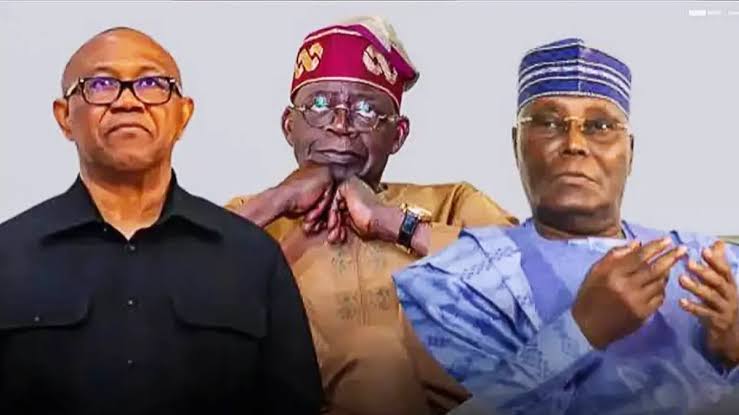
Nigeria's push for a more united opposition ahead of the 2027 general election is gathering momentum, with Atiku Abubakar, Peter Obi, Rabiu Kwankwaso and Oyo State Governor Seyi Makinde among leading political figures expected to be part of fresh talks in Abuja on August 18.
The planned Summit of Opposition Parties follows consultations by the G100, a coalition of concerned Nigerians seeking greater cooperation among parties hoping to present a credible challenge in 2027.
In a statement signed by Salihu Moh. Lukman, the group said it had completed its first round of discussions with leaders of six opposition parties. The consultations were described as “frank, constructive and encouraging.”
Those engagements involved Atiku Abubakar, Peter Obi, Rabiu Kwankwaso, Seyi Makinde and leaders of other opposition parties as discussions intensify over how Nigeria's fragmented opposition could work together.
According to the G100, the consultations showed a shared recognition that building a credible alternative ahead of the presidential election would require compromise and sacrifice from political leaders.
The group said the August 18 meeting would move the conversation beyond preliminary consultations and provide a platform for the parties to discuss practical ways of working together.
However, no agreement on a joint presidential candidate or formal political alliance has been announced.
The G100 stressed that it was acting as a facilitator rather than attempting to determine the outcome of negotiations, saying its objective was to create an environment where opposition parties could openly discuss cooperation, accommodation and collective action.
The latest effort comes amid months of negotiations and political manoeuvring among Nigeria's opposition figures ahead of 2027. Earlier discussions have centred on whether opposition parties can avoid the fragmentation that characterised the 2023 presidential election, when Atiku, Obi and Kwankwaso contested separately.
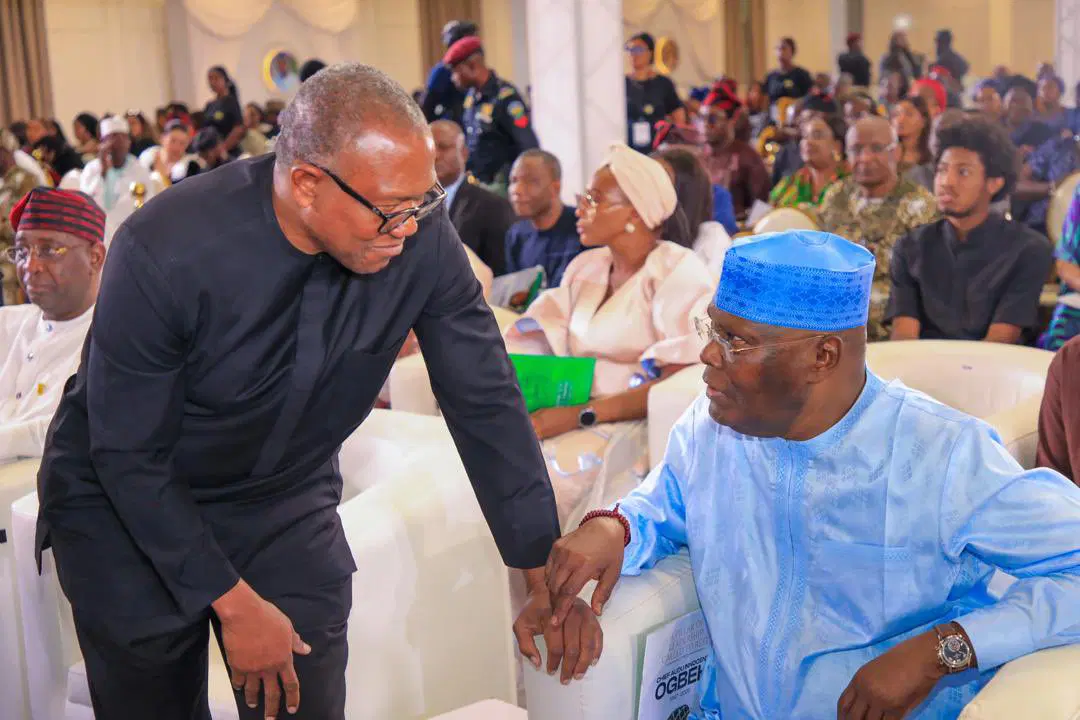
President Bola Tinubu won that election with about 8.79 million votes, ahead of Atiku's 6.98 million and Obi's 6.10 million, while Kwankwaso secured roughly 1.5 million votes.
Those numbers have continued to fuel arguments within opposition circles that greater cooperation could significantly alter the electoral contest in 2027, although combining previous vote totals does not automatically translate into a unified electoral coalition.
The G100 said fragmentation among opposition forces would make it more difficult to offer Nigerians what it described as a credible democratic alternative.
The August 18 summit could therefore become an important test of whether Nigeria's leading opposition figures are prepared to move beyond consultations and negotiate the difficult questions of candidacy, party interests and political compromise.
For now, the talks represent an attempt to build an alliance — not an alliance already achieved.