NIMC Act 2026: 5 Ways Tinubu's New Digital Identity Law Could Benefit Nigerians
Nigeria's new NIMC Act 2026 replaces a nearly two-decade-old law and expands the country's digital identity framework. These are five key benefits the new legislation could bring to Nigerians.

For many Nigerians, the National Identification Number (NIN) is simply another requirement. You need it to register a SIM card, open a bank account, apply for a passport or access certain government services. Once you've completed those processes, you probably don't think much about it again.
But behind that 11-digit number lies a much bigger system, and the government believes it is time to modernise it.
That is the idea behind the NIMC Act 2026, recently signed into law by President Bola Tinubu on the 26th of June, 2026.
Rather than replacing the National Identification Number or asking Nigerians to register again, the law updates the legal framework governing the country's digital identity system. Its goal is to make identity verification more secure, more connected and easier to use in an increasingly digital world.
Most of the changes will definitely not happen overnight but they will depend on how quickly the new law is implemented and adopted across government institutions. Still, the legislation points to where Nigeria's identity system is headed.
1. Your Identity Could Be Recognised More Easily Across Government Services
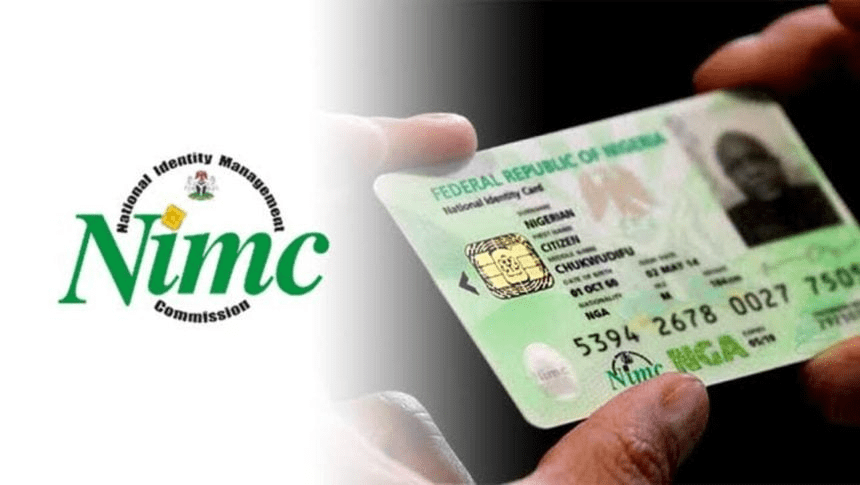
One of the biggest changes introduced by the new law is something called a Root Certification Authority. It sounds technical, but the idea behind it is surprisingly simple.
Today, different government agencies often operate separate systems for verifying people's identities. That can mean repeating the same verification process every time you apply for a service, even if another agency already has your details.
The new law allows NIMC to serve as the country's trusted digital identity authority, creating a common framework that government institutions can rely on when verifying identities and issuing digital certificates.
If fully implemented, this could reduce duplication, improve coordination between agencies and make it easier for Nigerians to access services without constantly going through the same identity checks.
2. Your Personal Data Could Receive Stronger Protection
As more government services move online, protecting personal information has become just as important as collecting it.
The NIMC Act 2026 strengthens the legal framework around identity management by aligning it more closely with the Nigeria Data Protection Act and recognised international privacy standards.
That doesn't mean data breaches will suddenly disappear. However, it does mean the country's identity system now has clearer legal backing for how citizens' personal information should be collected, stored, shared and protected.
For Nigerians who worry about how their NIN and other personal details are handled, the law is designed to provide stronger safeguards as digital services continue to expand.
3. Getting Identity Services Could Become Easier—Whether You Live in Nigeria or Abroad
Accessing identity services hasn't always been straightforward, especially for Nigerians living overseas or people in underserved communities.
The new law aims to make those services more accessible.
According to government officials, Nigerians in the diaspora are expected to enjoy easier access to identity services, while the legislation also introduces measures to improve inclusion for vulnerable groups, including people without permanent residential addresses.
That may sound like a small administrative change, but it could make a significant difference for people who have struggled to register for or update their identity records because of where they live or their personal circumstances.

The broader goal is to ensure that more Nigerians can participate fully in the national identity system, regardless of location or background.
4. One Card, Multiple Possibilities
Have you ever wondered why you sometimes need different documents to prove who you are, even though they all point back to the same identity?
The new law tries to simplify that.
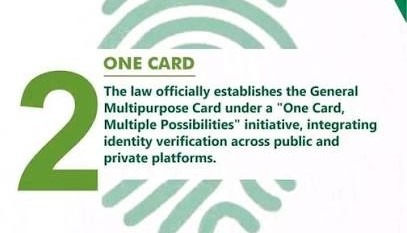
It formally recognises both physical and digital identity credentials linked to the National Identification Number and provides legal backing for the General Multipurpose Card under the government's "One Card, Multiple Possibilities" initiative.
The idea isn't to replace the NIN. Rather, it's to create an identity system where one trusted credential can support multiple services.
If that vision is fully realised, Nigerians could eventually use a single identity framework across a wider range of public and digital services instead of relying on multiple forms of verification.
5. Stronger Identity Verification Could Improve Security
Identity systems aren't only about convenience, they also play an important role in security.
Government officials say the new legislation will strengthen cooperation between agencies by supporting better integration of identity databases. That, in turn, could improve identity verification for services such as passport applications while making it more difficult for criminals to exploit gaps between disconnected systems.
The Ministry of Interior has also linked the reforms to broader efforts to combat identity theft, financial crimes and other security threats.
Although many of these improvements will happen behind the scenes, they could help create a more reliable identity system that benefits both citizens and public institutions.
The Real Test Begins Now
The NIMC Act 2026 marks one of the biggest updates to Nigeria's identity management framework in nearly two decades. But like many major reforms, its success will depend less on what is written in the law and more on how effectively it is implemented.
For now, Nigerians do not need to replace their National Identification Number or take any immediate action.
The bigger change is happening behind the scenes, where the government hopes to build a digital identity system that is more secure, more connected and better suited to an economy that increasingly depends on digital services.
If those plans are successfully carried out, the greatest benefit of the new law may not be a new identity card or another government database.
It may simply be a future where proving who you are becomes faster, safer and far less complicated than it is today.