Nigerian American Engineer Raises $7 Million for the World's First Braid Assist Robot
A Nigerian American engineer has raised $7 million for HaloBraid, a robot designed to cut braiding time in half and reduce strain on hairstylists.

For millions of Black women, getting braids is rarely a quick salon appointment. Depending on the style, it can take anywhere from six to ten hours, sometimes even longer.
For the hairstylist, those same hours mean repeating thousands of hand movements, often day after day, year after year.
It's physically demanding work that has long been accepted as part of the profession.
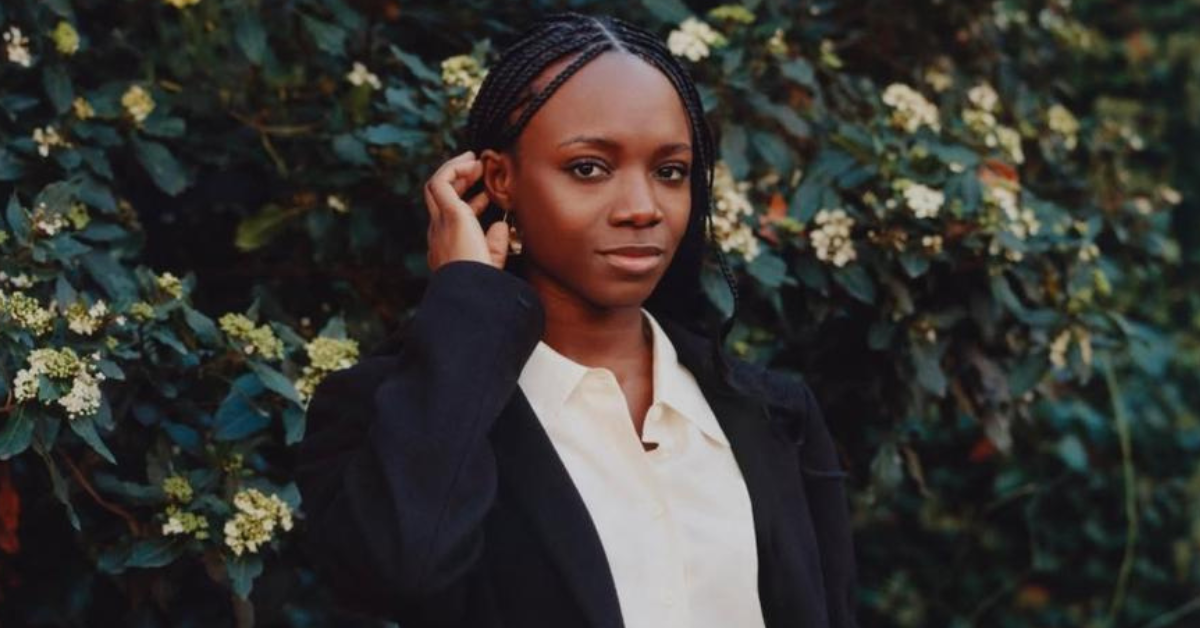
Nigerian American biomechanical engineer Yinka Ogunbiyi believes it doesn't have to be.
Her startup has raised $7 million in seed funding to commercialise HaloBraid, a patented braid assist robot designed to help professional hairstylists complete braiding appointments faster while reducing the physical strain that comes with the job.
The funding round was led by venture capital firm Seven Seven Six, founded by Reddit co-founder Alexis Ohanian, with additional investments from AlleyCorp and Bling Capital.
Even before its commercial launch, HaloBraid had attracted significant attention from the beauty industry.
More than 7,000 professional salons have already joined the company's waiting list, signalling strong demand for technology that could reshape one of the most time-intensive services offered in hair salons.
From a Four Day Braiding Session to a Multi Million Dollar Idea
Ogunbiyi's path into beauty technology didn't begin in a salon.
She holds a joint Master of Science and MBA from Harvard Engineering School and Harvard Business School, combining technical engineering expertise with business training.
Before founding HaloBraid, she worked on smart kitchen appliances and Internet of Things (IoT) products, building technology designed to make everyday tasks easier.
The idea that would eventually become HaloBraid came during the COVID-19 pandemic.
Like many people during lockdown, Ogunbiyi found herself doing things she would normally have paid someone else to do. One of those was installing her own knotless braids.
Latest Tech News
Decode Africa's Digital Transformation
From Startups to Fintech Hubs - We Cover It All.
The experience took four days.
By the time she finished, she wasn't just thinking about how long the process had taken. She was thinking about the people who perform those same repetitive movements every single day as a profession.
Professional braiders often spend entire working days weaving hair, twisting extensions and repeating the same hand motions thousands of times. Over months and years, that physical strain can take a serious toll on the body.
Ogunbiyi began asking a simple question: what if technology could handle the repetitive part of braiding while allowing hairstylists to focus on the skilled work that requires human creativity and precision?
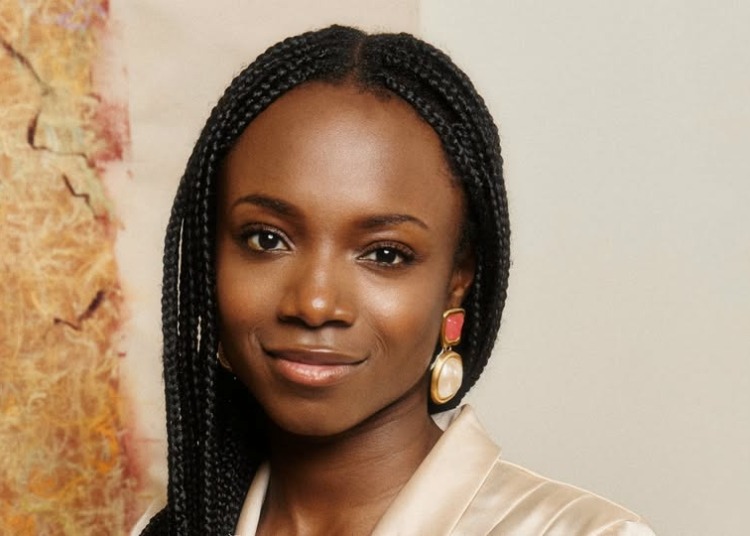

That question eventually led her to partner with David Afolabi, and together they began developing HaloBraid.
A Robot Designed to Work With Hairstylists, Not Replace Them
The idea of robots entering the beauty industry may sound intimidating, particularly at a time when conversations around artificial intelligence and automation often focus on jobs being replaced.
HaloBraid has been designed with a different goal.
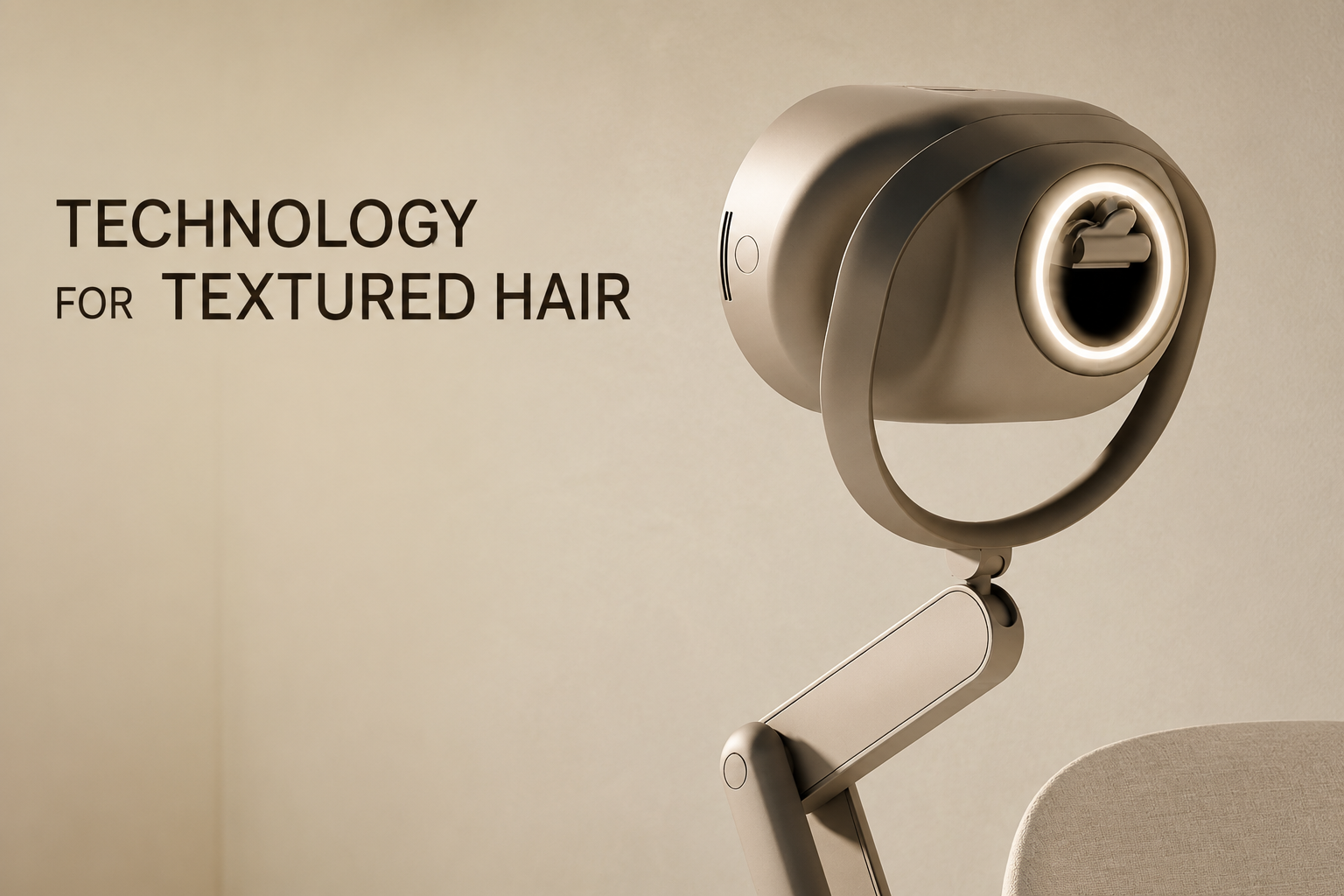
Rather than replacing professional braiders, the machine functions as what's known as a collaborative robot, or cobot. That means it works alongside a stylist instead of taking over the entire service.
The hairstylist remains responsible for the most technical and creative parts of the appointment.
They consult with the client, part and section the hair, create the foundation of each braid and complete the final styling once the braids are finished.
HaloBraid takes over the repetitive mid-length weaving process that consumes much of the appointment time.
Once the robotic system completes that stage, the stylist resumes control by sealing, trimming and styling the finished braids.
According to the company, this approach can reduce braiding appointments by around 50 percent, allowing salons to serve more clients without sacrificing the quality of the finished hairstyle.
Ogunbiyi has repeatedly emphasised that the technology isn't intended to remove the human connection that clients value when they visit a salon.
Latest Tech News
Decode Africa's Digital Transformation
From Startups to Fintech Hubs - We Cover It All.
Instead, she believes it improves the experience for both hairstylists and customers.
"I don't think anything will get lost from the experience," she said. "If anything, it enriches it. Technology simply assists with the repetitive movements that consume the most time and place the greatest strain on the body."
That distinction is central to HaloBraid's design philosophy.
Unlike fully automated systems that attempt to replace workers entirely, collaborative robots are built to assist people with repetitive, physically demanding tasks while leaving decision-making and skilled work to humans.
Why HaloBraid Could Change More Than Appointment Times
The biggest selling point of HaloBraid may not actually be speed.
For many professional braiders, the real issue is physical health.
Braiding requires stylists to sit or stand in the same position for hours while repeatedly using their fingers, wrists, shoulders and back. Over time, many develop chronic pain or occupational injuries that make it difficult to continue working.
Conditions such as carpal tunnel syndrome, arthritis and persistent back pain are common complaints among hairstylists who have spent years performing repetitive braiding techniques.
By automating the most repetitive section of the process, HaloBraid hopes to reduce some of that physical burden, allowing braiders to continue working for longer while reducing the risk of long-term injuries.
The technology could also make financial sense for salon owners.
If appointments take less time, hairstylists may be able to serve more clients in a single day, increasing earning potential without requiring longer working hours.
Consumers also appear interested in faster services.
According to the company, 95 percent of Black women surveyed said they would wear protective hairstyles more frequently if salon appointments took less time.
That demand helps explain why thousands of salons have already expressed interest before the product has even reached the market.

Latest Tech News
Decode Africa's Digital Transformation
From Startups to Fintech Hubs - We Cover It All.
The latest $7 million investment will help HaloBraid move from development to commercial rollout as the company prepares to introduce the technology to salons worldwide.
The funding also reflects growing investor confidence in beauty technology, an industry increasingly attracting attention from venture capital firms looking beyond traditional software startups.
For Ogunbiyi, the project represents more than building another robot.
It's an attempt to modernise an industry that has remained largely unchanged for decades while recognising the expertise of the professionals who keep it running.
Braiding has always been as much about culture and craftsmanship as it is about beauty. HaloBraid isn't trying to replace either of those traditions. Instead, it aims to remove one of the most physically demanding parts of the process, giving stylists more time to focus on the creativity and personal connection that no machine can replicate.
If the early interest from salons is any indication, many in the industry believe that the future may be closer than anyone expected.