Nigeria's Political Parties Are Charging Startup Capital Just to Contest Elections
Nigeria's political parties are charging up to N100 million just to contest elections, while the national minimum wage sits at N70,000. Here's why that math is not an accident, and what it's doing to Nigerian democracy.
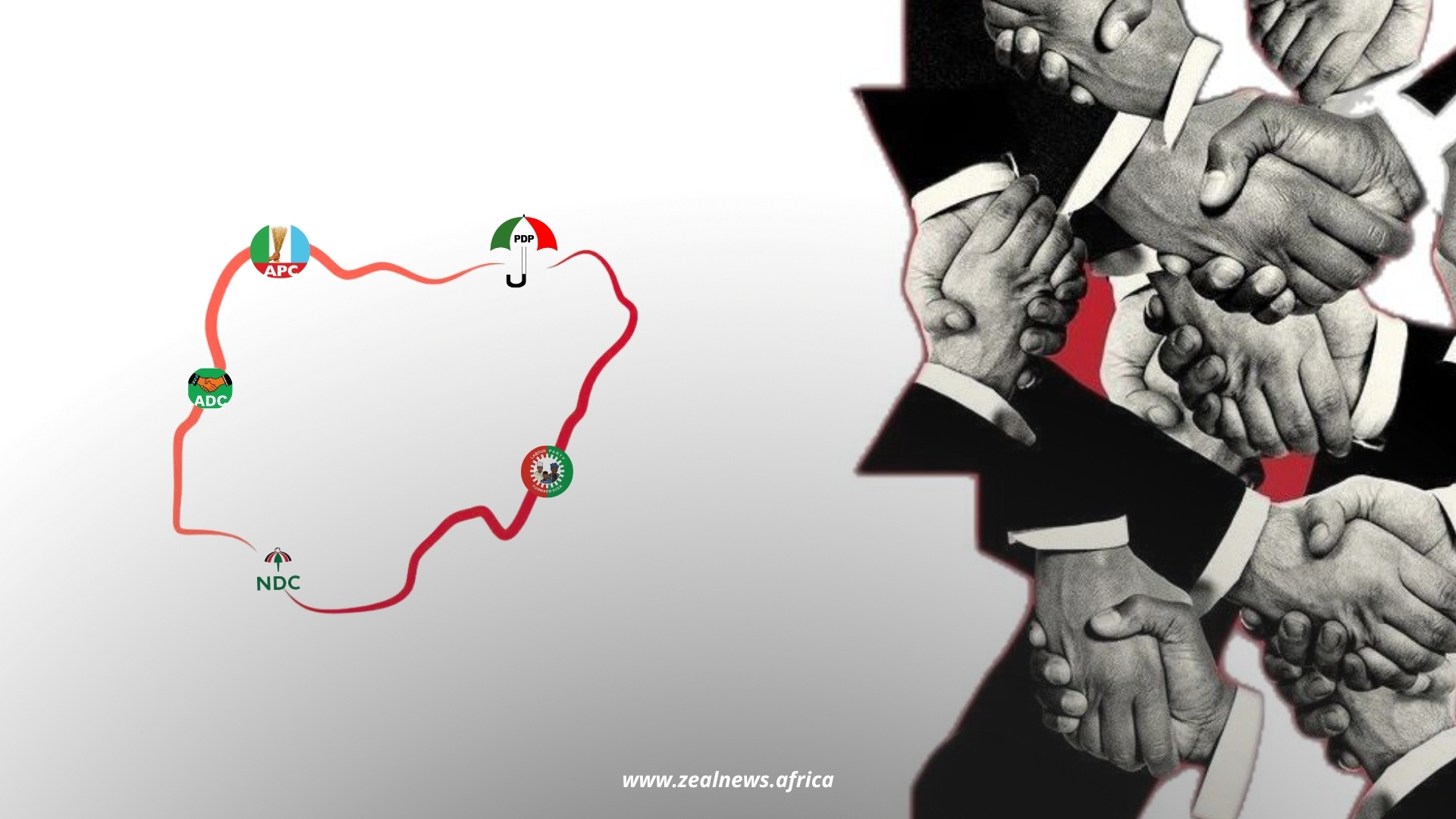
On May 13, 2026, the Nigeria Democratic Congress (NDC) announced that any Nigerian contesting on its platform for the presidency must produce N60 million — N20 million for an Expression of Interest Form and N40 million for the Nomination Form.
The party called this "transparent and democratic."
The NDC also reminded Nigerians that its prices are "among the lowest" compared to other major parties which is perhaps the most damning sentence in recent Nigerian political history.
The ruling APC charges N100 million: N30 million for Expression of Interest and N70 million for the Nomination Form. A PDP faction has priced theirs at N50 million. So, technically, N60 million is ‘reasonable’.
This is what Nigerian democracy looks like in 2026.
Do the Math
Nigeria's national minimum wage is N70,000 per month. That figure was signed into law in July 2024 after years of labour strikes, union negotiations and government stalling.
Unions had demanded a minimum of N250,000. They got N70,000 and several state governments still haven't fully implemented even that.
Now, let’s do the math. To purchase the APC's presidential form at N100 million, a Nigerian earning minimum wage would need to work for approximately 1,429 months, nearly 119 years, without spending a single naira on food, rent or transport. Just to buy the form.
Even the NDC's "cheaper" option requires roughly 857 months, about 71 years of unspent earnings, to afford a presidential ticket.
Senate aspirants pay N8 million. House of Assembly aspirants pay N2.5 million, still more than three years of untouched minimum wage income just to contest a local legislative seat.
The NDC announced a concession: female aspirants pay 50%, persons with disabilities get a 75% waiver. Half of what you cannot afford is still what you cannot afford.
The Same Names, The Same Faces, The Same Families
Take a look at who actually shows up to buy these forms.
In 2022, the APC's presidential primary featured Bola Tinubu (former Lagos governor), Rotimi Amaechi (former Rivers governor and minister), Yahaya Bello (former Kogi governor), Godswill Akpabio (former Bayelsa governor) and Yemi Osinbajo (sitting Vice President). Many of whom paid N100 million each only to eventually step down.
Tinubu's form was, in fact, purchased on his behalf by a sitting House of Representatives member. A N100 million form, picked up like a grocery run.
The pattern is obvious. It is a recycling programme for those who are already rich, already connected, and already inside the system.
The same surnames, the same tenures remixed, the same governors becoming senators becoming ministers becoming governors again.
The ordinary Nigerian with ideas, who has spent years watching their community suffer, is not even at the end of this path. They cannot afford the entry ticket.
This Was Not Always the Architecture
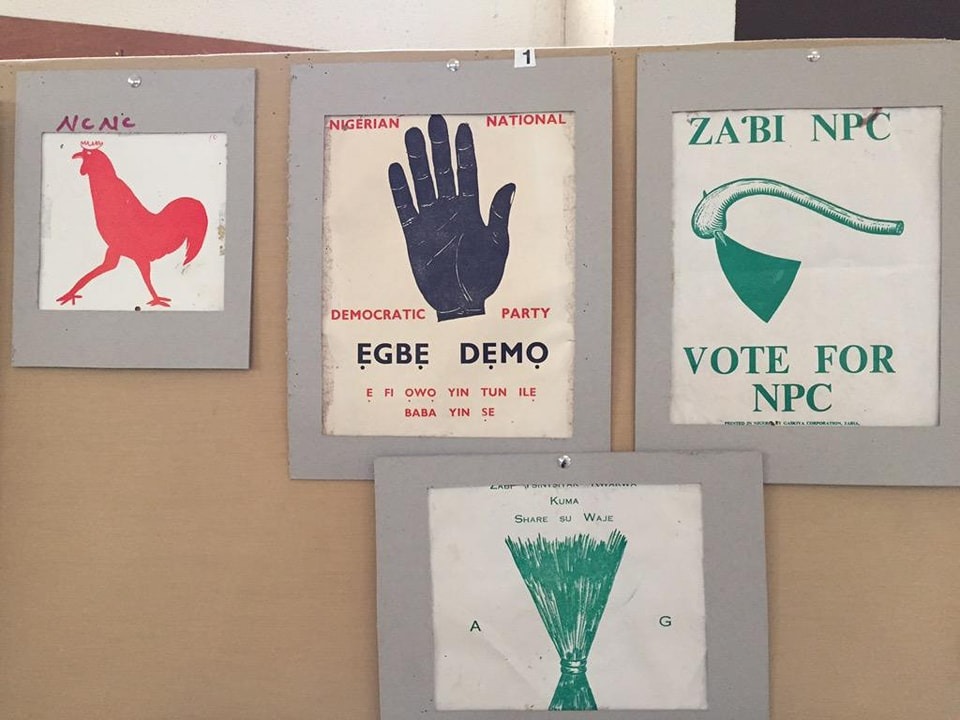
In Nigeria's First Republic, between 1960 and the military coup of 1966, political parties were ideologically grounded mass movements.
The NCNC, the Action Group, the NPC were parties built on popular mobilisation, rallies and grassroots organisation. Their candidates were teachers, lawyers, community leaders and nationalists.

The barrier to participation was not the capital. The culture of charging exorbitant nomination fees is a Fourth Republic invention, one that crept in after 1999 and has since become entrenched.
Presidential form prices rose from N22 million (PDP, 2015) to N40 million (PDP, 2023) to N100 million (APC, 2027), numbers that track political greed operating at scale.
Political parties have defended these prices by citing the cost of running party structures. It is worth noting that these same parties do not publish audited accounts.
The Real Cost Is Democratic Decay
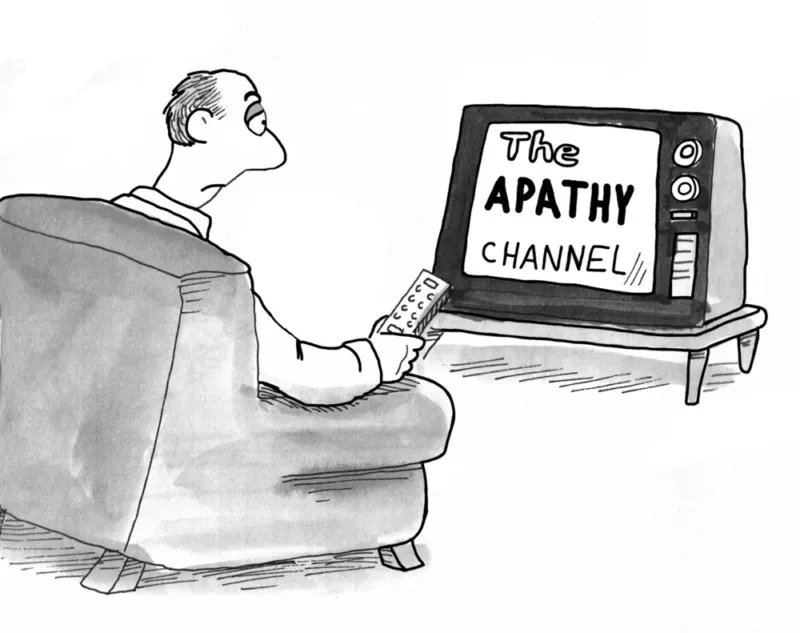
The downstream effects of pricing people out of candidacy are visible in Nigeria's voter turnout data.
In the 2023 general elections, just 26.72% of registered voters showed up, the lowest in Nigeria's history of returning to democracy.
Only about 25 million people voted out of 93 million registered voters. Tinubu's winning mandate came from less than 10% of the Nigerian electorate.
When the people you want to vote for cannot afford to run, you eventually stop seeing the point of voting at all.
There is also the godfatherism problem. Young or financially constrained aspirants who somehow find a sponsor to cover their forms enter office pre-indebted, pre-compromised, and pre-owned.
The money came from somewhere, and somewhere will collect. This is how patronage networks outlast individual administrations and why policies do not change even when faces do.
Nothing Accidental About This
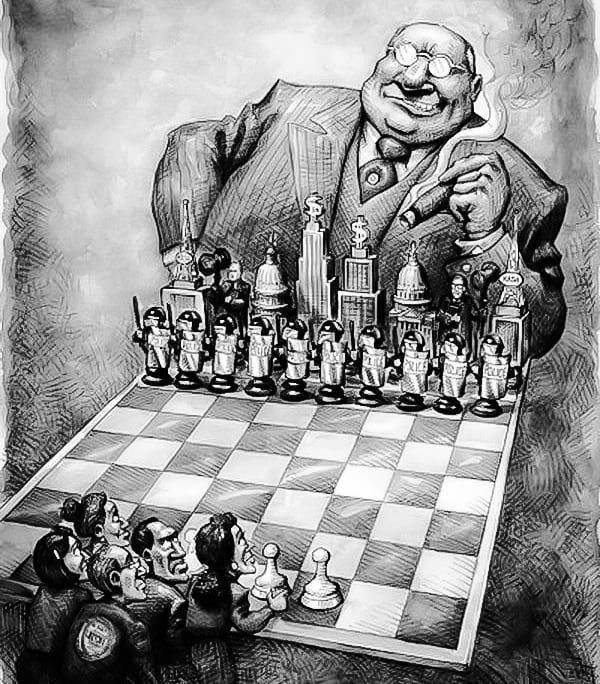
The pricing structure of Nigerian political party nomination forms is not a bureaucratic oversight. It is a feature designed — consciously or not — to ensure that the political class remains a closed loop.
The NDC can call it transparent. The APC can call it democratic, but a process that requires a minimum wage earner to work for over a century just to buy a form is not transparent, and it is not democratic.
It is an auction, and like every auction, only those with money in their hands get to bid.
The ordinary Nigerian who is passionate about change is not just locked out of governance. They are handed a voter's card and told their voice matters, while the list of people they can vote for is pre-approved by a financial filter they were never meant to clear.
The cycle continues. It was designed to.