Netflix Unleashes 2026 Megahit: 'Avatar' x 'Pirates' Fantasy Series Set to Dominate Streaming
Netflix's "One Piece" live-action adaptation has defied expectations, becoming a major success by embracing the manga's unique absurdity and featuring a strong cast. With a successful Season 2 and a confirmed Season 3, the series showcases how to authentically bring a beloved anime world to life. It has garnered significant viewership and critical acclaim, solidifying its place as a triumphant adaptation.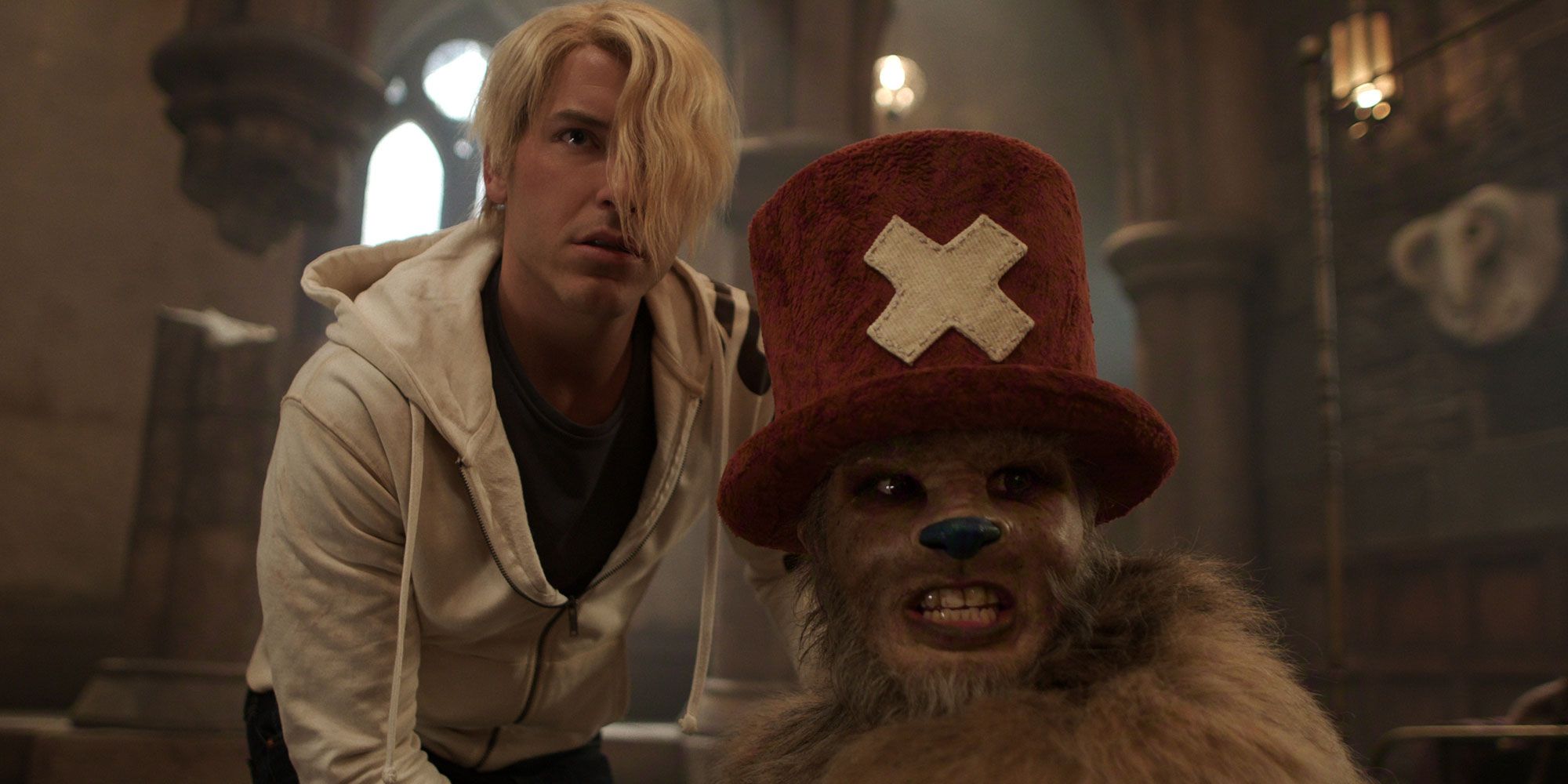
Netflix has navigated a challenging landscape of live-action adaptations of animated and anime films, often with mixed outcomes. However, its take on Eiichiro Oda’s acclaimed manga, “One Piece,” stands out as a significant triumph, proving that such a vibrant narrative can be successfully translated to live actors. The series has not only garnered critical acclaim but has also expanded with a successful second season, released earlier this year, and a confirmed third season, “The Battle of Alabasta,” slated for 2027.
The core of “One Piece” revolves around Monkey D. Luffy, portrayed by Iñaki Godoy, an eternally optimistic young pirate driven by the ambition to become the next King of Pirates by discovering the legendary One Piece treasure. His journey leads him to assemble the eclectic Straw Hat Pirates, a crew comprising the skilled swordsman Roronoa Zoro (Mackenyu), the astute navigator Nami (Emily Rudd), the sharpshooter Usopp (Jacob Romero Gibson), and the talented chef Sanji (Taz Skylar). Together, they embark on adventures across eccentric islands, encountering formidable pirates, Marines, monstrous creatures, cunning bounty hunters, and individuals possessing fantastical superpowers.
What truly sets Netflix’s “One Piece” apart is its audacious embrace of the manga’s inherent absurdity. The world is richly imagined, populated by characters who gain supernatural abilities by consuming Devil Fruits, pirates capable of self-dissection, colossal sea creatures, and even a talking reindeer that eventually joins the central cast. Unlike conventional adaptations that might attempt to ground these elements in realism, “One Piece” leans into the fantastical. The production features deliberately extravagant costumes, vividly colorful and theatrical sets, and characters that appear to have leaped directly from Oda’s illustrations. While this approach occasionally results in inconsistent visual effects, it imbues the series with a distinctive personality often absent in contemporary fantasy productions.
Season 2 propels Luffy and his crew further into the perilous Grand Line, a sea region where geographical laws are fluid and unpredictable. The narrative adopts a more episodic structure as the Straw Hat Pirates navigate a diverse array of bizarre lands, confronting peculiar creatures and dangerous criminals from the Baroque Works organization. Despite the grand spectacle, the true strength of Netflix’s “One Piece” lies in its exceptional cast. Iñaki Godoy remains the emotional anchor as Luffy, perfectly capturing the character’s unique blend of childlike enthusiasm, unwavering courage, and fierce loyalty. Godoy’s performance infuses Luffy’s optimism with such warmth that it becomes infectious, making it easy for audiences to understand why others would follow him into perilous situations.
The rest of the Straw Hats have also deepened their portrayals. Mackenyu’s Zoro demonstrates increased prowess as a formidable fighter, while Taz Skylar’s Sanji continues to exude effortless charm. Emily Rudd and Jacob Romero Gibson provide distinct rhythms to Nami and Usopp, with Usopp, in particular, getting opportunities to transcend his inherent cowardice with acts of bravery. Season 2 also introduces more of the franchise’s eccentric characters, including Charithra Chandran’s Miss Wednesday, David Dastmalchian’s Mr. 3, and Tony Tony Chopper, voiced by Mikaela Hoover. Chopper exemplifies the show’s philosophy: despite his outwardly ridiculous appearance, the series’ sincere commitment to his emotional arc makes his absurdity an integral part of his appeal.
“One Piece” has succeeded where many other live-action manga and anime adaptations have faltered, largely because it understands that the source material’s eccentricity is its essence. Eiichiro Oda’s active involvement in the adaptation process has been crucial, allowing filmmakers to make necessary changes while steadfastly preserving the original story’s characters and core themes. However, the series is not without its minor flaws. Inconsistent special effects, abrupt tonal shifts, and the challenge of condensing vast manga narratives into a limited number of episodes (e.g., eight episodes for a huge manga arc) are noted drawbacks. Furthermore, the visual presentation can sometimes appear simultaneously expensive and inexpensive, blending practical costumes and impressive sets with less convincing computer-generated effects. Fortunately, these shortcomings are overshadowed by the series’ more valuable attribute: its remarkable longevity and appeal.
Audiences have responded with overwhelming enthusiasm. Season 2 debuted to 16.8 million viewers and an impressive 136.2 million hours watched globally within its first four days, securing the No. 1 spot on Netflix’s weekly English-language TV chart. The premiere of Season 2 also saw the first season re-enter the chart, drawing an additional 3.6 million viewers. Critically, the reception has been even stronger for the second season, achieving a perfect 100% critics’ score on Rotten Tomatoes based on 30 reviews, alongside a 95% audience score. Season 1 had previously earned an 86% critics’ score and a 95% audience score. This powerful combination of critical acclaim and audience engagement has solidified “One Piece” as Netflix’s reliable success story in the realm of adaptations, cementing its future with a third season already in development.