Spider-Verse Future Shaken: Prime Video's 'Spider-Noir' Faces 'Death Sentence'
Despite critical acclaim and Emmy nominations, Prime Video's 'Spider-Noir' has concluded after one season. This decision, however, serves as an optimal blueprint for Sony's future Spider-Verse television projects, advocating for standalone miniseries that offer complete narratives and resolve the 'homework' problem prevalent in extensive shared universes.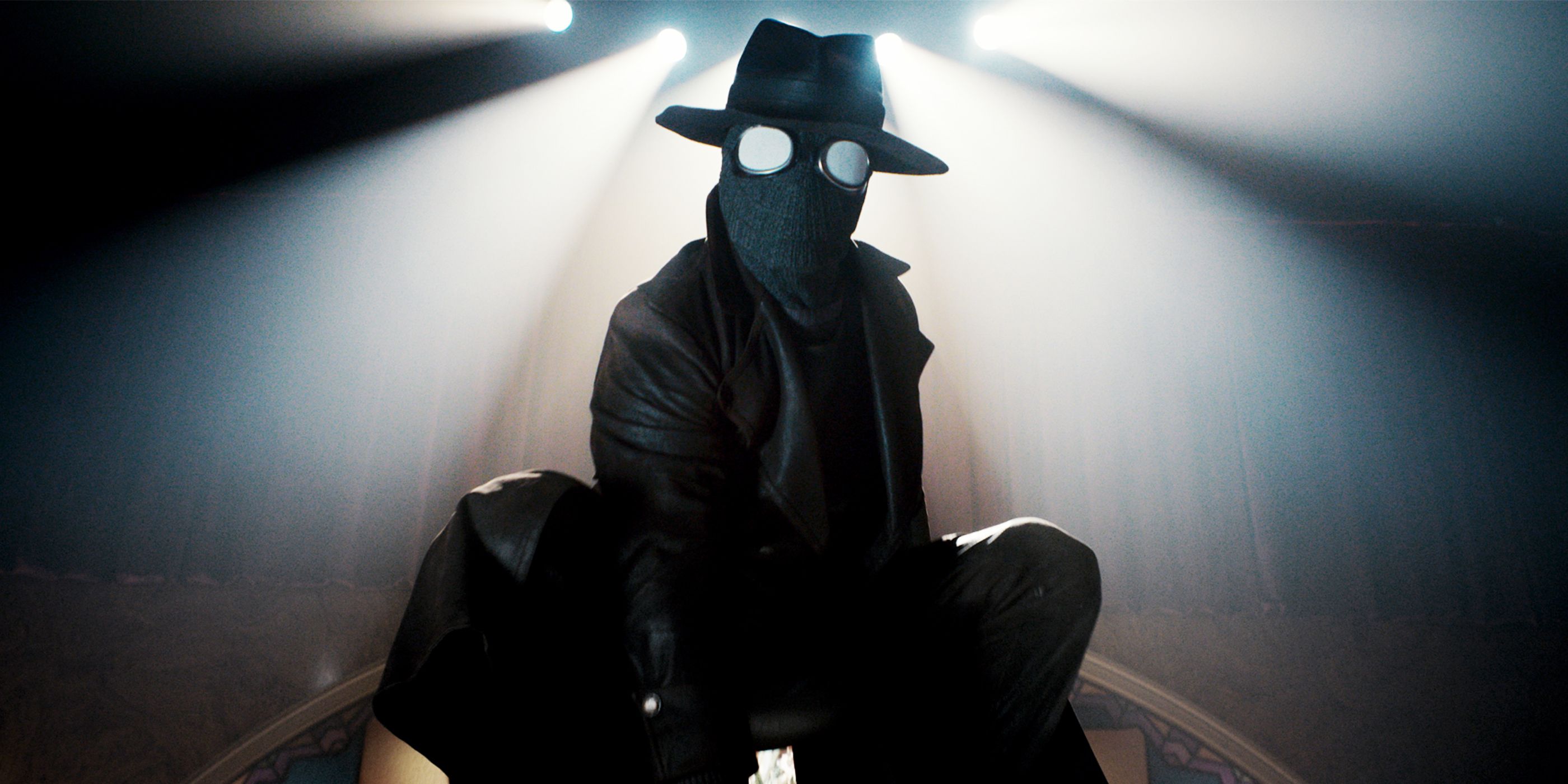
Despite garnering incredible reviews and securing five out of 11 Emmy nominations, Prime Video has made the decision not to proceed with a second season of the series Spider-Noir. However, this cancellation is not necessarily a setback; instead, it might prove to be a blessing in disguise. It effectively highlights the most effective path forward for future television installments within the broader Spider-Verse and establishes a new benchmark for any upcoming projects featuring variants of the beloved Friendly Neighborhood Wall-Crawler.
A significant aspect of Spider-Noir's appeal lies in its presentation of a complete and self-contained saga. The series centers around New York's sole superhero, Ben Reilly, famously known as The Spider, portrayed by Nicolas Cage. While Reilly's opening monologue subtly alludes to the existence of a larger Spider-Verse and past encounters with beings from other dimensions, the final episode deliberately avoids cliffhangers, sequel-baiting, or any setup for subsequent seasons or spin-offs. Nicolas Cage, whose involvement was a major coup for the series marking his first significant television role, shares this perspective. In an interview with Deadline regarding the show's conclusion, Cage expressed, "For me, one season is perfect, having said what I wanted to say with this dangerous, innovative, pop-art Spider-Man." Prior to the season's debut, he also informed Variety that "All of us achieved what we set out to do, and it works on its own." The core message from Cage's statements is not a critique of the show's non-continuation, but rather a celebration of the high quality and singular vision of the Spider-Man project.
As a standalone adventure, Spider-Noir offers an ideal blueprint for Sony's franchise moving forward. The studio's previous endeavors to launch a big-screen Spider-Man universe have largely faced challenges, with notable exceptions being Tom Holland's films and the critical triumph of the animated Spider-Verse movies. Following the cancellation of Spider-Noir, Deadline reported that Sony and Prime Video are planning to develop future projects featuring Marvel characters owned by Sony, particularly those available within the existing Spider-Family. This report also indicates that multiple projects are currently in development, with one nearing a series order. Rather than pursuing multi-season narratives, the ideal approach for the Spider-Man TV universe should be an anthology format. Each series would concentrate on a new hero or adventure, foregoing the need to establish a sprawling, interconnected continuity. While additional seasons can be beneficial, there is significant merit in standalone miniseries that provide viewers with a complete and finite experience.
This standalone model, exemplified by Spider-Noir, also addresses a persistent issue within the broader Marvel Cinematic Universe, often referred to as the "homework" problem. Recently, the MCU has faced challenges, despite the continued success of various Spider-Man related film projects. Even Marvel Studios president Kevin Feige has acknowledged that the franchise has become burdened by an abundance of spin-offs and offshoots, likening the experience of watching every MCU TV series and movie to something "more like homework than entertainment." While a cohesive shared universe can be enjoyable, not every saga is intended for indefinite continuation. Launching a series as a one-off event creates a more accessible entry point for fans, thereby mitigating the MCU's existing "homework" problem. If some viewers missed Spider-Noir, for instance, the subsequent Spider-Verse series might still capture their interest without requiring prior viewing. The most effective strategy moving forward is to ensure that every new Spider-Man TV project functions as a limited miniseries, potentially starting with a live-action adaptation of Spider-Man 2099 starring Oscar Isaac as Miguel O'Hara. Ultimately, Spider-Noir concluding after just one season is not an indicator of failure; instead, it provides a perfect strategic blueprint for Sony's Spider-Man Universe on the small screen.