Moremi Ajasoro: The History of the Yoruba Queen Who Became a Symbol of Sacrifice and Courage
She walked into the hands of the people attacking Ile-Ife, lived among them and returned with their secret. This is the story of Moremi Ajasoro and the sacrifice that followed.
Some offered a goat,
Goat, goat.
Some offered a sheep,
A healthy sheep.
Olúorogbo offered her child,
Her beautiful fair child,
Olúorogbo O! Joun joun.
I just saved you the stress of translating that famous song into English.
Surely, you have heard the story of Moremi Ajasoro a number of times. You have probably sung the song about her, heard someone tell the story, or watched a stage performance about the beautiful woman who saved Ile-Ife.
But the part we remember as a few lines in a song was once told as a much longer story.
The people of Ile-Ife had no idea who was coming for them.
The Raids That Terrified Ile-Ife
Attackers covered from head to toe in raffia would appear, rush into the town, terrorise the people and disappear into the forest.
They kept coming back.
Nobody seemed to know who these people were or why they could not be stopped. Their raffia coverings made them look frightening enough that the people of Ile-Ife believed they were dealing with spirits rather than ordinary men.
And then Moremi decided she would find out.
Her plan was not to fight them from the safety of Ile-Ife. She would let herself be captured.
The attackers in the traditional story are known as the Ugbo or Igbo. That name can be confusing today because it is not referring to the modern Igbo ethnic group of southeastern Nigeria. In the Ife tradition, it refers to the people who were carrying out the raids.
Moremi went to the Esinmirin River and sought the help of its deity. The traditional account says she was promised help in discovering the secret behind the attackers, but she would have to give something precious in return.
History
Rewind the Stories that Made Africa, Africa
A Journey Through Time, Narrated with Insight.
She agreed.
She probably did not know just how painful that agreement would become.
Moremi Let Herself Be Captured
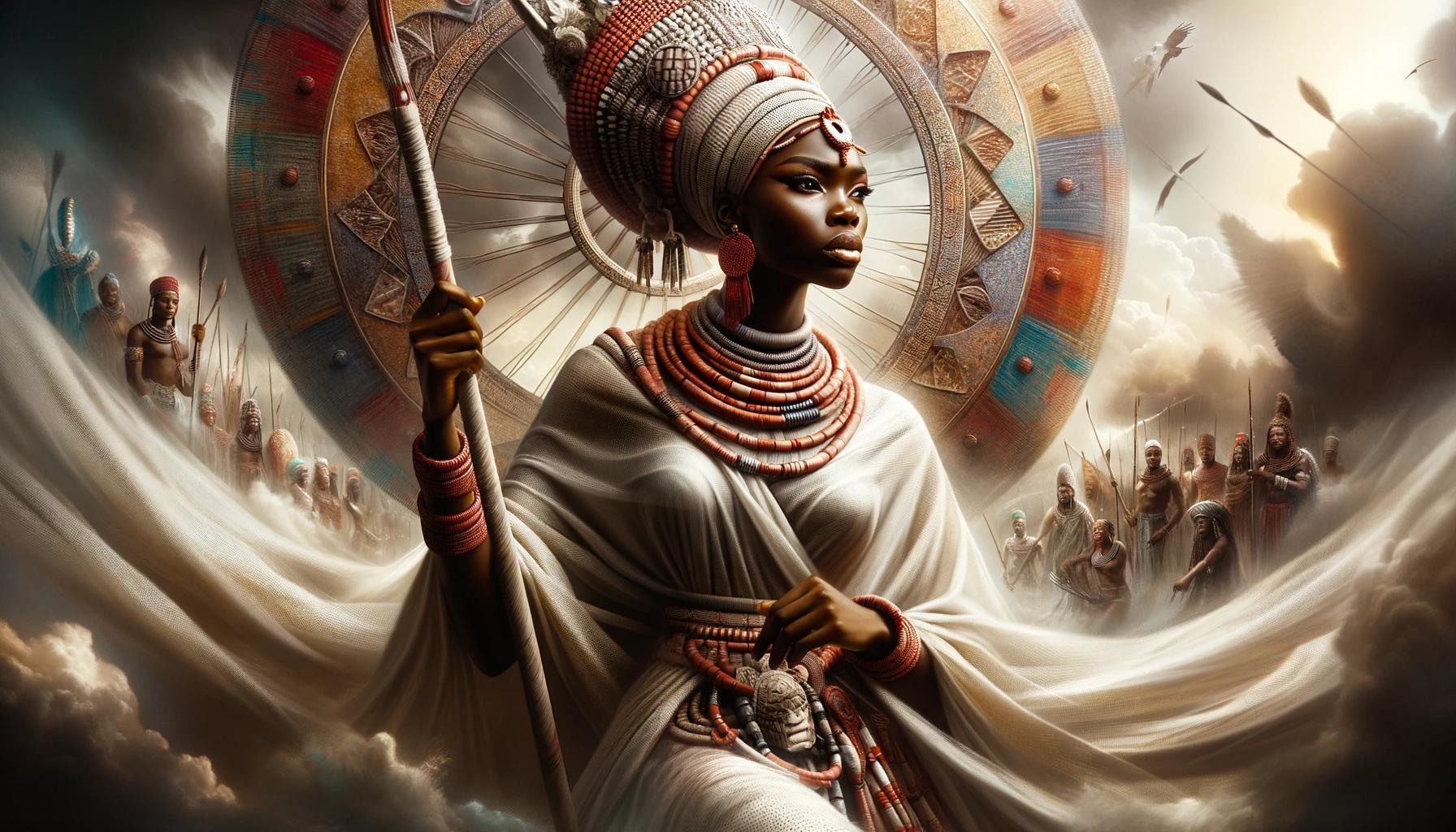
When the attackers came again, Moremi allowed herself to be taken.
She was carried away from Ile-Ife and eventually came into the hands of their leader, who took her as his wife.

This was the dangerous part of the plan.
Living among the people who had been terrorising her town gave Moremi the chance to see what was really happening behind those frightening raffia costumes.
And she discovered something that changed everything.
They were not spirits, they were men.
The terrifying figures that had been sending people running were ordinary human beings covered in raffia.
Moremi eventually escaped and made her way back to Ile-Ife with the secret.
For the first time, her people knew what they were facing.
The Secret Under the Raffia

When the attackers returned, Ile-Ife was ready.
Instead of running from the figures coming out of the forest, the people fought back with fire.
History
Rewind the Stories that Made Africa, Africa
A Journey Through Time, Narrated with Insight.
The raffia caught fire.
The men who had once seemed almost impossible to defeat were suddenly exposed and forced to flee.
The trick had been uncovered.
Moremi had done what she set out to do. She had walked into the enemy's hands, lived among them, discovered their secret and returned with the knowledge her people needed.
But there was still the promise she had made at the Esinmirin River.
And this was where the story took its darkest turn.
The Price Was Her Son
Moremi returned to Esinmirin to fulfil her promise.
According to the traditional account, the deity demanded her only son, Olúorogbo.
She pleaded for another option, but eventually gave up her child.
That is the part of the story that has stayed with people for generations. Moremi had saved Ile-Ife, but the victory came at a terrible personal cost.
Different tellings of the story give different details about what happened to Olúorogbo afterwards. In some versions, he is said to have returned to life or entered the spiritual realm.
The story itself has remained part of Ife's cultural memory, particularly through the Edi Festival, which is associated with Moremi and the events surrounding her sacrifice.University of Ibadan research on the Edi Festival
Moremi's story has also moved beyond oral storytelling. It has appeared in songs, plays and books, and her memory has been made visible in Ile-Ife through monuments.
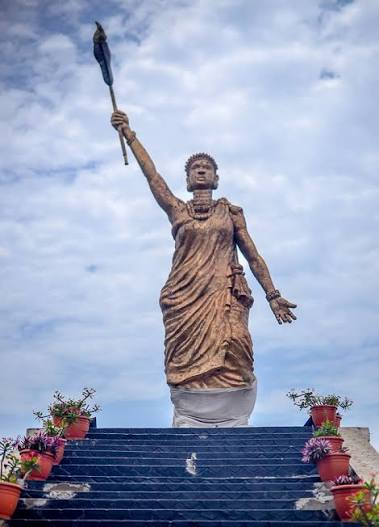
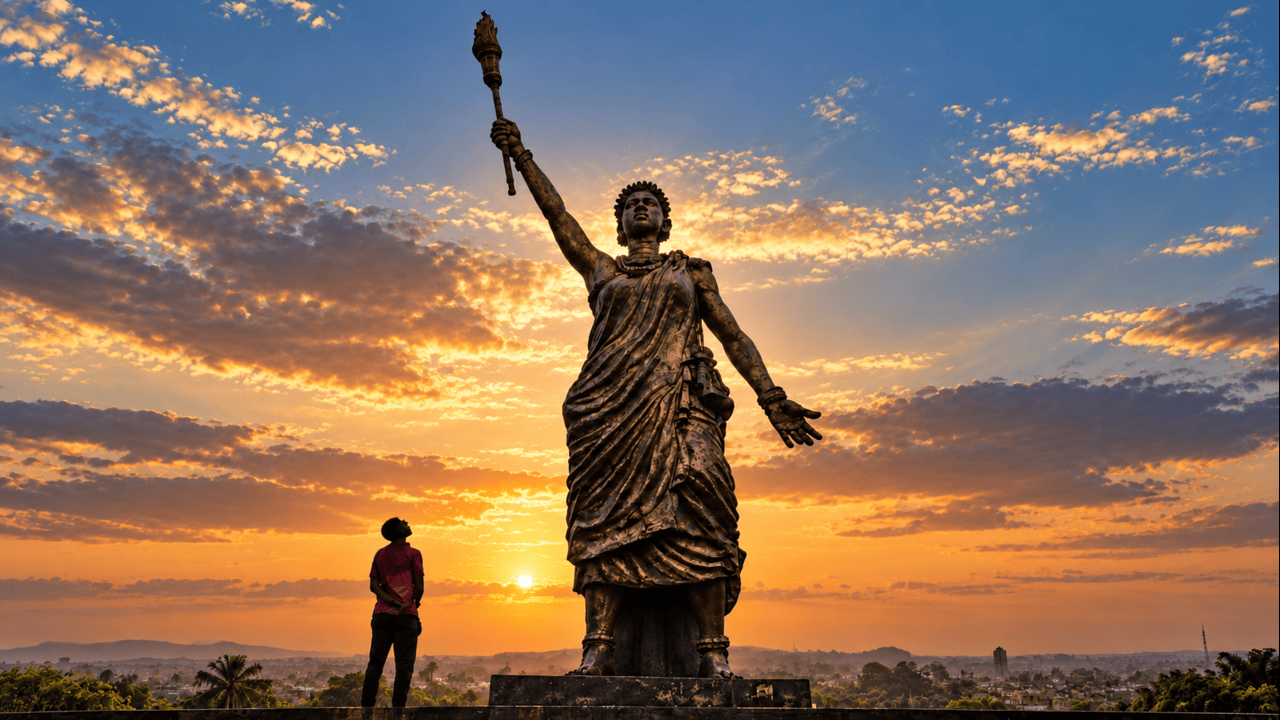
In 2016, a 42-foot statue of Moremi was unveiled in Ile-Ife, giving the legendary queen a physical presence in the city whose people, according to the tradition, she once saved.The Guardian's report on Moremi's statue
History
Rewind the Stories that Made Africa, Africa
A Journey Through Time, Narrated with Insight.
That is probably why the story still feels familiar even centuries later.
You may hear the song without thinking about the woman behind it.
But Moremi was not simply the woman in the song.
She was the woman who allowed herself to be captured, entered the camp of the people terrifying her town, came back with their secret and then paid for that victory with the person she loved most.