Middle East Erupts: Lebanese Minister Pleads for Peace as Israeli Invasion Deepens, Death Toll Mounts
Euronews' "Europe Today" covers escalating global tensions, including US-Israel-Iran strikes and the "dramatic situation" in Lebanon due to Israeli incursions, displacing over a million. Europe faces energy security concerns linked to the conflict, while EU foreign ministers gather in Kyiv amid challenges like Hungary's veto on Ukraine aid and a controversial Israeli death penalty bill. Germany also discussed Syrian refugee returns, highlighting a complex web of international and domestic issues.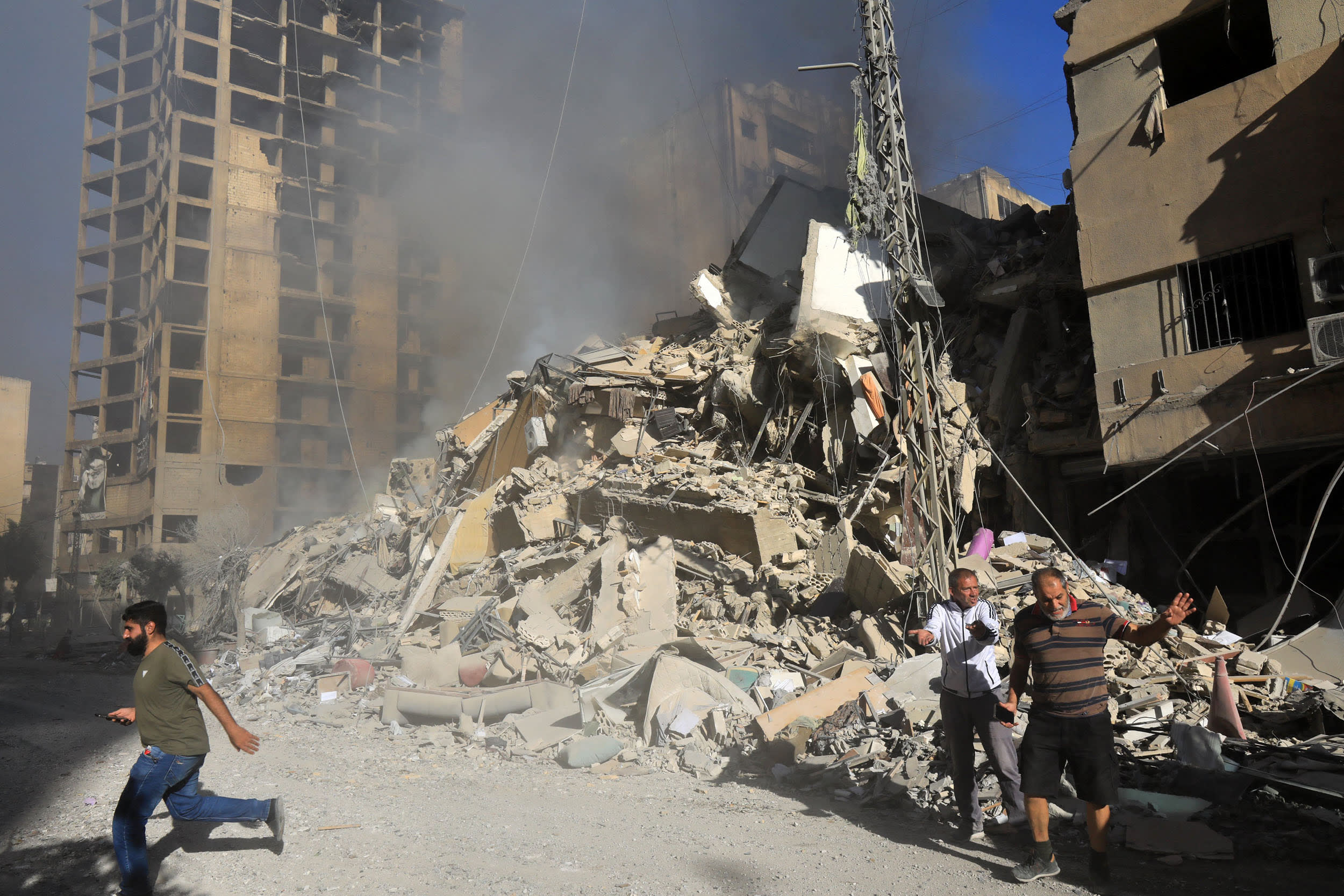
Tensions in the Middle East have escalated sharply as Israeli military operations in Lebanon intensify, drawing international concern and heightening fears of a broader regional conflict.
Lebanese Justice Minister Adel Nassar described the situation as "dramatic" following Israeli strikes that have reportedly killed over 1,200 civilians.
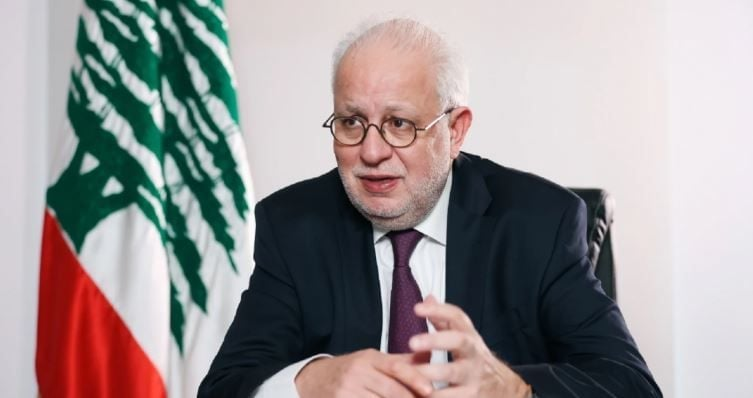
Two additional UN peacekeepers were killed within 24 hours, bringing the total to three, according to UNIFIL, and Belgium, Spain, and Ireland have condemned the deaths.
Minister Nassar criticised Israel's expanding ground offensive against Hezbollah in southern Lebanon, calling it an "occupation" and appealing for an immediate return to diplomacy.
He warned of a severe humanitarian crisis, with roughly one in five Lebanese displaced and more than one million people at risk of malnutrition.
The Lebanese government insists it will not allow its territory to be used by Iran or its proxies, even as it faces attacks from both Israel and Hezbollah-backed forces supported by Tehran.
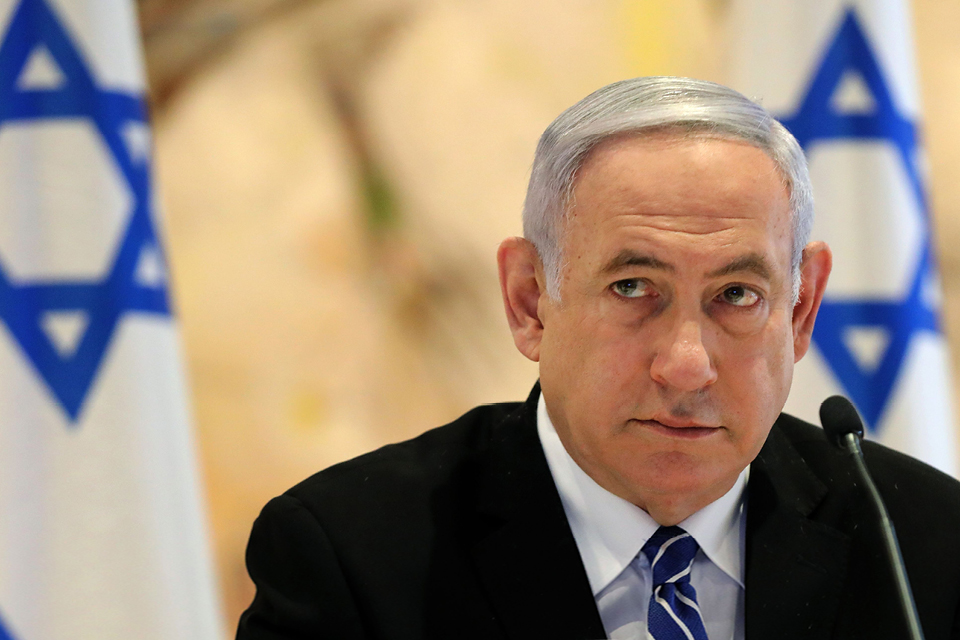
Israeli Prime Minister Benjamin Netanyahu has called for a "fundamental" shift along Israel's northern border, with some officials proposing a buffer zone extending to the Litani River—effectively annexing Lebanese territory.
Nassar urged Israel to respond to President Joseph Aoun's call for negotiations, warning that continued military escalation will dramatically worsen civilian suffering.
The conflict's repercussions are also being felt in Europe, where energy security is under strain, with EU energy chief Dan Jørgensen warning member states to prepare for potentially prolonged disruptions to oil and diesel supplies.
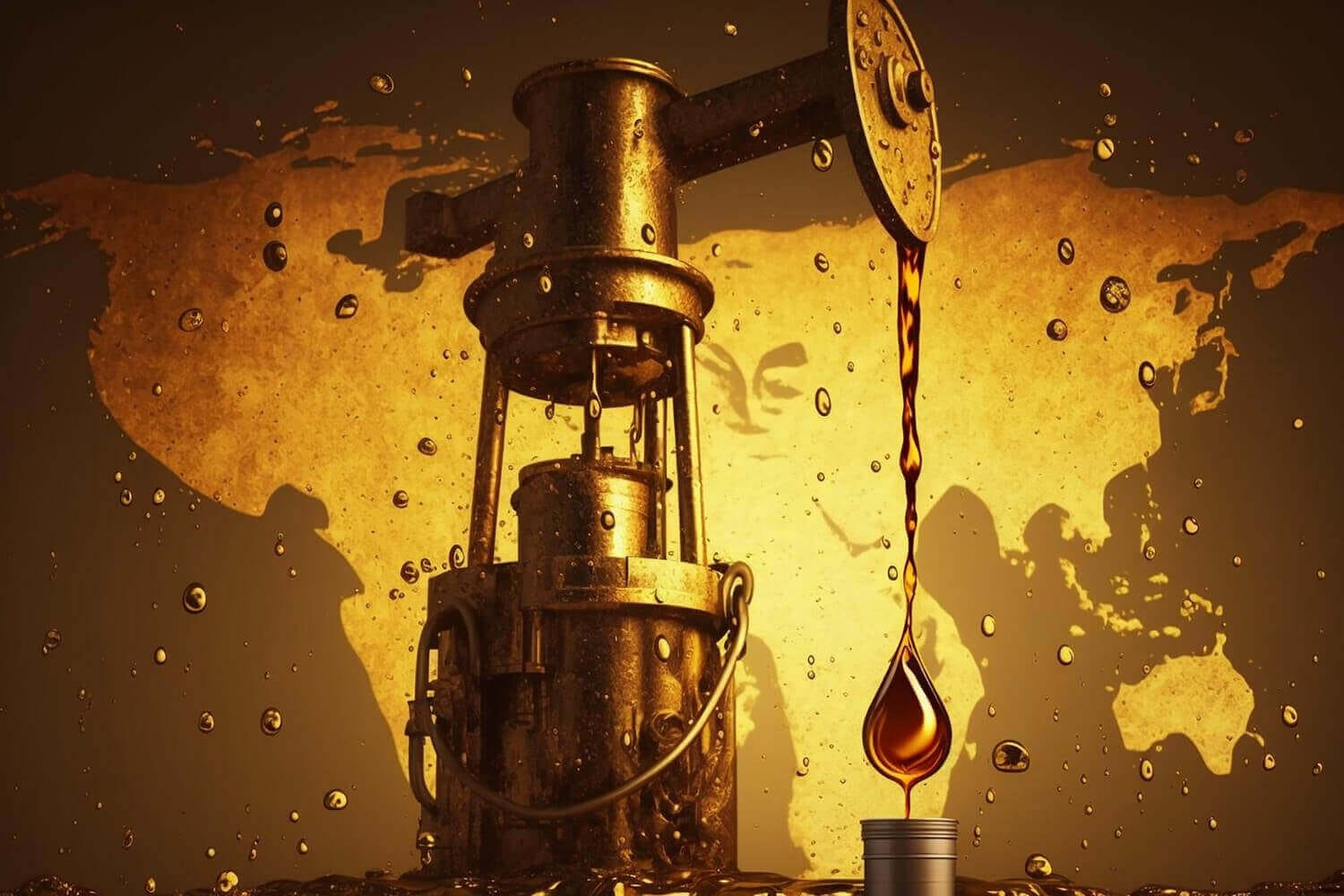
While current oil levels are manageable, Europe remains heavily dependent on Gulf imports for transport fuels, the International Energy Agency has compared the situation to the oil crises of the 1970s, and G7 ministers pledged to monitor the situation closely but stopped short of releasing reserves.