Long Island Schools Under Fire: Millions in Cash Reserves Exceed Legal Limits, Sparking Scrutiny
A Newsday analysis revealed that 12 Long Island school districts exceeded the state's 4% cash reserve limit in 2025-26, holding a combined $757 million. This sparks debate between taxpayers seeking lower property taxes and school officials who defend reserves as crucial for unforeseen expenses and critical projects. While some districts reduce funds, others, like Brentwood, strategically utilize them for infrastructure amid calls for greater fiscal accountability.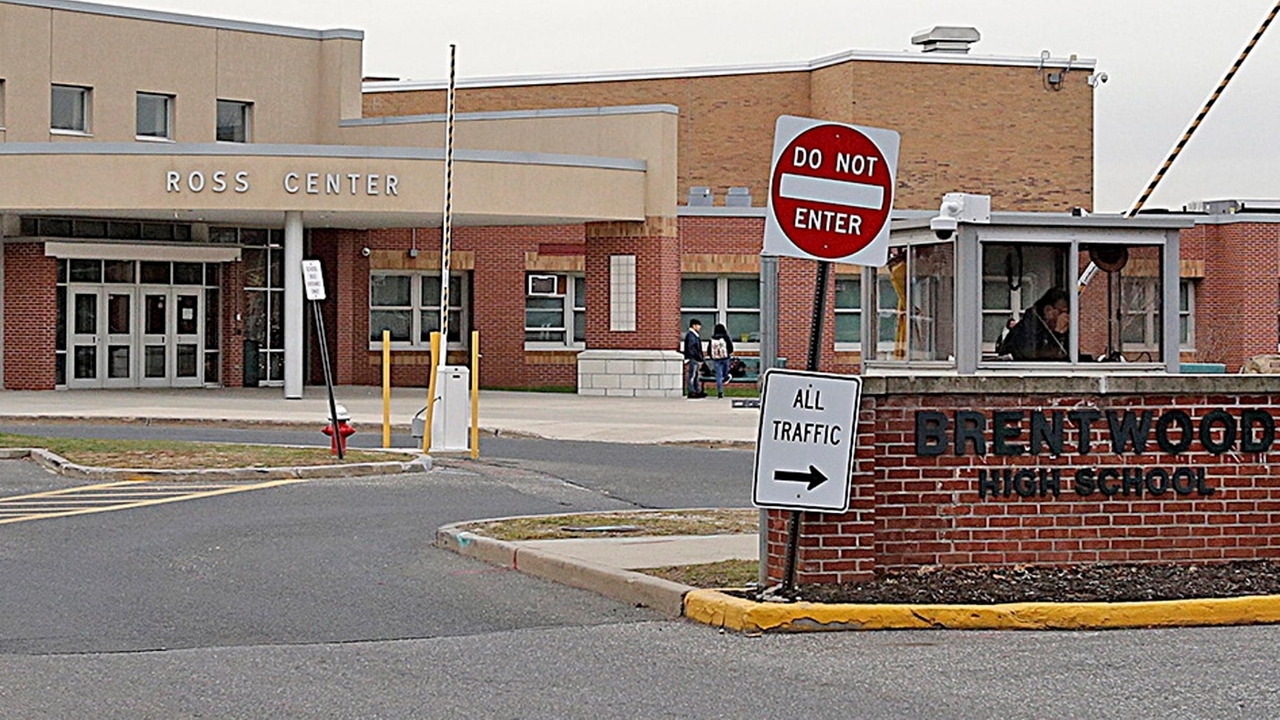
A Newsday analysis revealed that twelve Long Island school districts maintained cash reserves exceeding the allowable state limit of 4% of their annual budget during the 2025-26 school year. These funds, known as unrestricted reserves, differ from restricted reserves designated for specific purposes and assigned reserves appropriated for annual budgets, as they can be utilized at a district’s discretion. Islandwide, public schools collectively held $757 million in unrestricted reserves in 2025-26. The number of districts surpassing the state limit decreased from 19 in the prior 2024-25 fiscal year, with a quarter of districts having less money set aside.
The issue of cash reserves has long been a contentious subject on Long Island, a region known for some of the nation's highest property taxes, where school taxes typically constitute two-thirds of a homeowner’s property tax bill. Critics argue that the 4% state limit promotes fiscal responsibility and that any surplus funds should be channeled towards lowering property taxes or paying off debts, a stance echoed by the state comptroller's office and Governor Kathy Hochul, who suggested some districts might be "overtaxing" due to their reserves. Conversely, school officials maintain that these additional funds are crucial as a buffer against unanticipated costs, citing the state's lack of a similar cap on its own budget. Smaller districts, in particular, find the limit too restrictive, as the cost of educating a single student with intense special needs could consume a significant portion of their annual budget, potentially wiping out a 4% fund balance in one year.
Among the districts exceeding the 4% threshold in 2025-26, percentages ranged from 4.01% in Elmont to a high of 19.33% in Brentwood, which accumulated nearly one-fifth of its budget in unrestricted funds. Other notable districts included Oysterponds at 16.48% and East Quogue at 11.75%. Despite these excesses, New York State law imposes no penalties for districts that exceed the limit, only recommending that they develop plans to reduce their surplus fund balance.
While some districts hold substantial reserves, others faced financial challenges. South Country, for instance, had negative cash reserves of approximately $1.5 million due to overspending and mismanagement, while Port Jefferson was nearly $9 million in the red after using its fund to cover $16.5 million in Child Victim Act settlements, though its deputy superintendent anticipates bringing the fund to a positive $2 million. Some districts have actively reduced their reserves; Freeport decreased its unrestricted funds from 14% to 9.96% of its budget, a $9 million reduction, which a spokesman attributed to property tax relief. Officials like Bob Vecchio, executive director of the Nassau-Suffolk School Boards Association, speculate that more districts will increasingly tap into reserves to offset budget shortfalls as inflation continues to outpace state revenue and the state's 2% cap on annual school property tax increases.
School leaders have defended their reserve levels, citing various reasons for their accumulation and strategic use. Brentwood Superintendent Wanda Ortiz-Rivera explained that their district's reserves grew significantly due to state aid increases and pandemic relief, and they are now being used to fund capital projects like new classroom spaces, air conditioning expansion, and a new culinary facility. This strategic use reduced Brentwood's unrestricted balance from $138 million to $133 million, a nearly 4 percentage point drop, aiming to address infrastructure needs and minimize long-term impact on taxpayers without costly borrowing. Smaller districts like Oysterponds and East Quogue, with fewer students, emphasize the necessity of reserves for unpredictable costs, such as fluctuating tuition for secondary students or the substantial expense of a high-needs student. Brentwood, which receives about three-quarters of its revenue from state aid, also faces the challenge of rising recurring expenses, including tuition reimbursements for new charter schools, necessitating cautious management of tax levies and reserves to avoid structural imbalances.
Residents like Laura Jannetto, a retiree in Freeport, and Richard Hucke, a long-time Bay Shore resident, expressed concerns about high school property taxes, particularly for seniors, advocating for tax reductions. While some districts, like Bay Shore (with 3.36% reserves), have expanded exemptions for senior citizens, the debate over the optimal balance between fiscal prudence, taxpayer relief, and educational quality continues across Long Island.