From Rockefeller to Musk: The People Who Were the World’s Richest, 1900–2026
Who were the world’s richest over 126 years? The businesses that created those fortunes changed with the times, from oil and property to software and technology.
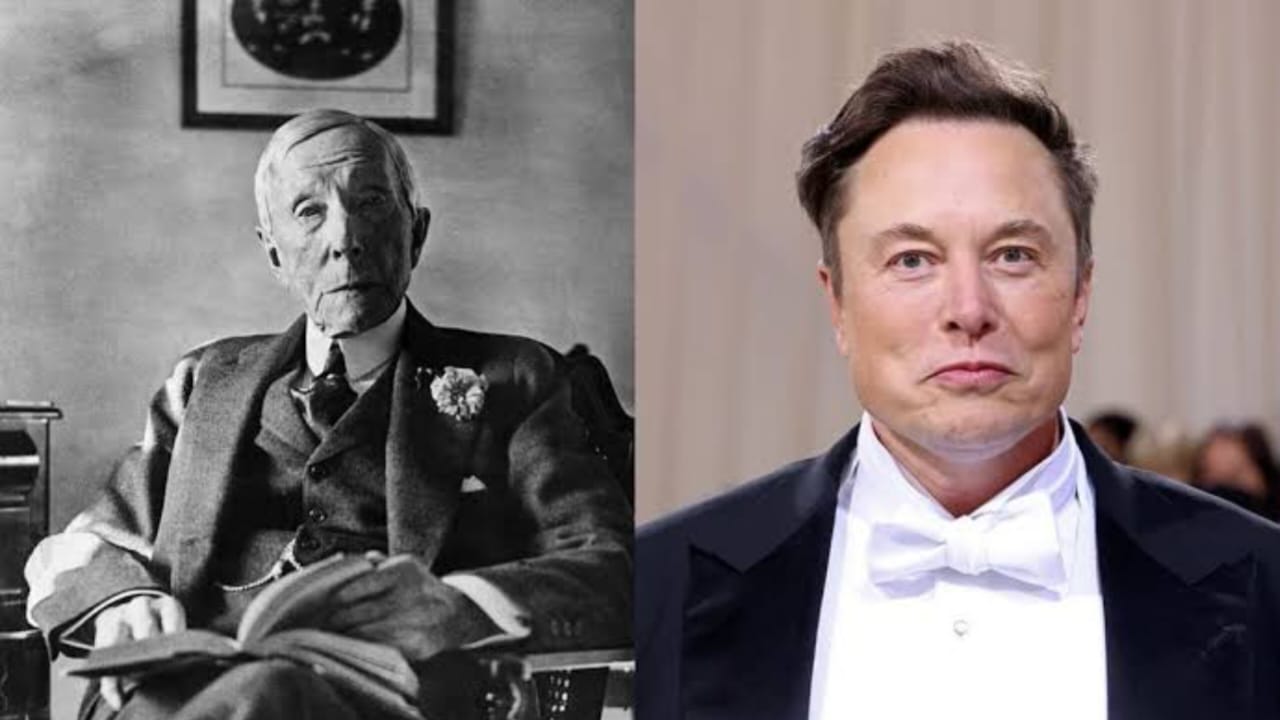
The names at the top of the wealth rankings have changed several times since 1900, and so have the businesses behind them. Looking through that history shows what was becoming valuable in different periods, from oil and property to software, e-commerce and the technologies now attracting enormous amounts of capital.
Rockefeller's Oil Empire (1900–1937)
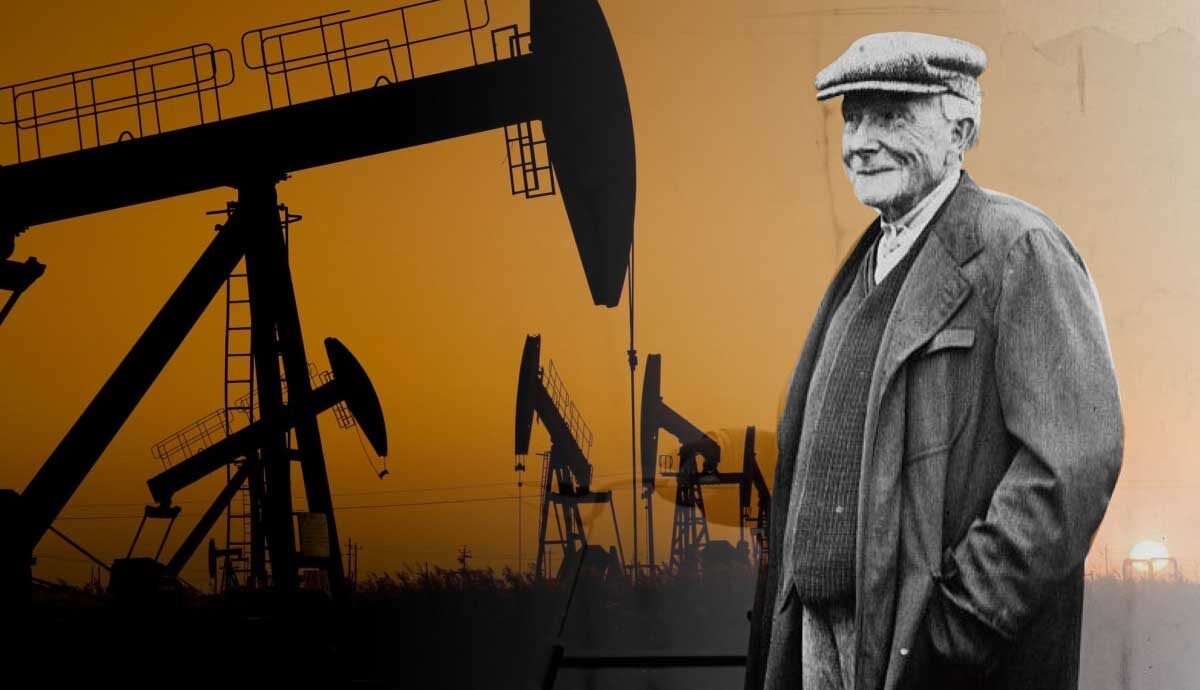
By the early 1900s, John D. Rockefeller had already built Standard Oil into one of the most powerful companies in America.
The companycontrolled roughly 80% to 90% of US oil refining at its peak, giving Rockefeller a commanding position in an industry that was becoming increasingly important to transportation and manufacturing.
The government eventually moved against Standard Oil. In 1911, the US Supreme Court ordered the company to be broken up under antitrust law.
Rockefeller's position, however, was not destroyed by the breakup. He received shares in the companies created from the dissolution, and the value of those holdings helped preserve his enormous fortune.
He remained one of the world's wealthiest people until his death in 1937.
His story is closely tied to the rise of modern American industry. Oil was becoming essential, Standard Oil was enormous, and Rockefeller owned a substantial part of the business that processed it.
The Nizam's Royal Treasury (1930s)
The next name on this story came from a completely different world.
Mir Osman Ali Khan, the Nizam of Hyderabad, ruled one of the largest princely states in British India.TIME described him as the world's richest man and estimated his wealth at about $2 billion in the late 1930s.
His riches included gold, silver, jewellery and other assets held in Hyderabad's treasury.
One of the objects associated with the Nizam became particularly famous: the Jacob Diamond, which he reportedly used as a paperweight.
The Nizam's wealth was closely connected to the state he governed, making a direct comparison with the personal shareholdings of modern billionaires difficult.
At a time when modern billionaire rankings did not yet exist, one of the world's richest men was a sovereign whose wealth was tied to a royal treasury rather than a multinational company.
Getty and the Post-War Oil Boom (1960s)
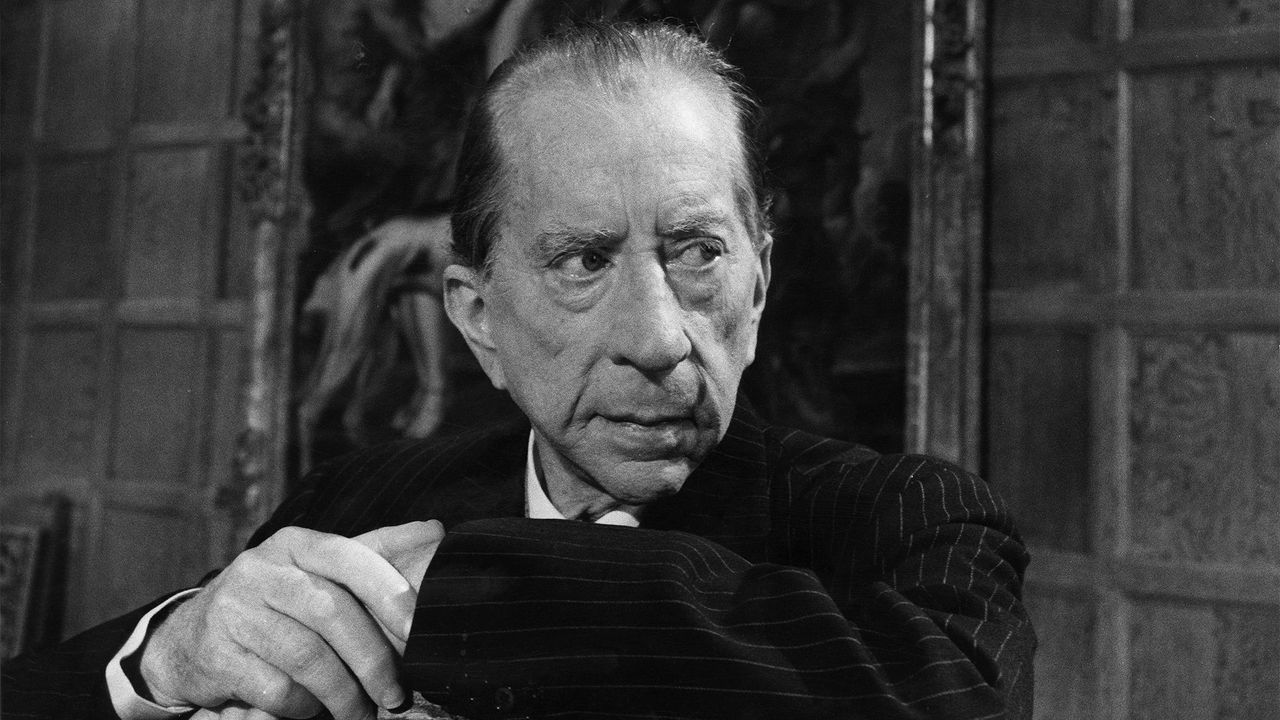

Oil remained a source of enormous private wealth after World War II.
J. Paul Getty built his fortune through petroleum, acquiring oil concessions and expanding his interests as energy demand grew.
Cars were becoming more common, industries were expanding and international trade was growing. Oil was at the heart of much of that activity.
In1966, Guinness World Records recognised Getty as the world's wealthiest private citizen, putting his fortune at about $1.2 billion.
Getty became almost as well known for his frugality as for his business empire. The story of the payphone he reportedly installed for guests at his mansion became part of his public image.
Japan's Property Boom (1987–1994)
WhenForbes published its first World's Billionaires list in 1987, a Japanese property magnate was at the top.
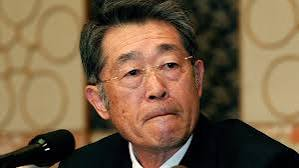
Yoshiaki Tsutsumi had an estimated fortune of $20 billion, built largely through real estate and the Seibu business empire, whose interests included railways, hotels and leisure properties.
Japan was in the middle of an extraordinary asset boom. Land values had risen sharply, particularly in major cities, and property ownership could produce enormous paper fortunes.
Tsutsumi's position at the top did not last uninterrupted.
In 1991, Taikichiro Mori, another Japanese property developer, took the No. 1 position. Tsutsumi returned to the top in 1993 and held it again in 1994.
The period reflected the scale of Japan's property boom. Real estate had become capable of producing fortunes that could rival those built over decades in oil.
Gates Puts Software at the Top (1995–2016)
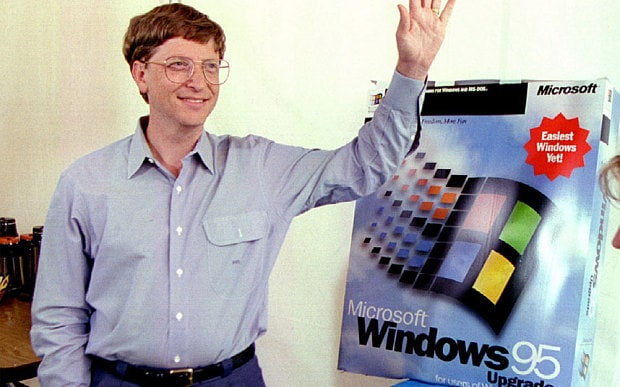
By 1995, Bill Gates had become No. 1 as Microsoft grew with the rapid spread of personal computers.
The company's most valuable products were software rather than physical commodities. As computers moved into homes, schools and offices, demand for Microsoft's operating systems and other products grew with them.
Gates stayed near the top of the rankings for years, although the position changed hands briefly at different points. His fortunereached about $90 billion in 1999, during the technology boom.
The personal computer had created a new route to enormous wealth, and the internet would push that idea much further.
Bezos Builds a Fortune From the Internet (2017–2020)
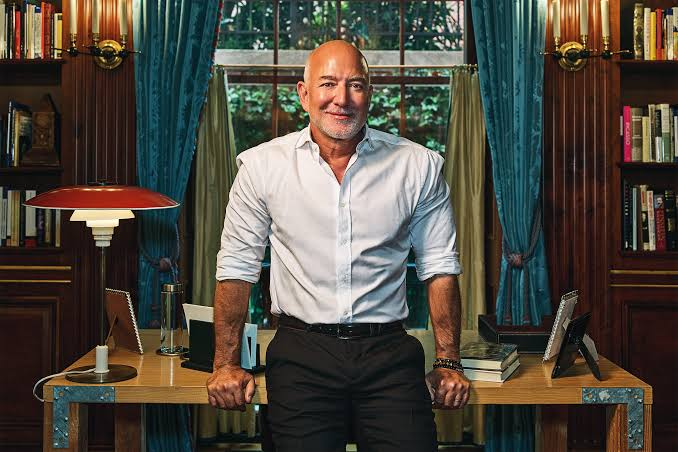
Jeff Bezos founded Amazon in 1994, starting with books sold over the internet.
The company grew far beyond that original business, expanding into online retail, logistics, advertising and cloud computing and eventually becoming one of the world's most valuable companies.
Bezos briefly overtook Gates in 2017 as Amazon's share price climbed. He later held the top position for a sustained period.
Amazon's growth showed how much business had moved online. A company could sell products across borders, build enormous digital infrastructure and create a fortune for its founder without relying on the traditional industrial assets that had defined earlier generations.
Musk Reaches the Trillion-Dollar Mark (2021–2026)
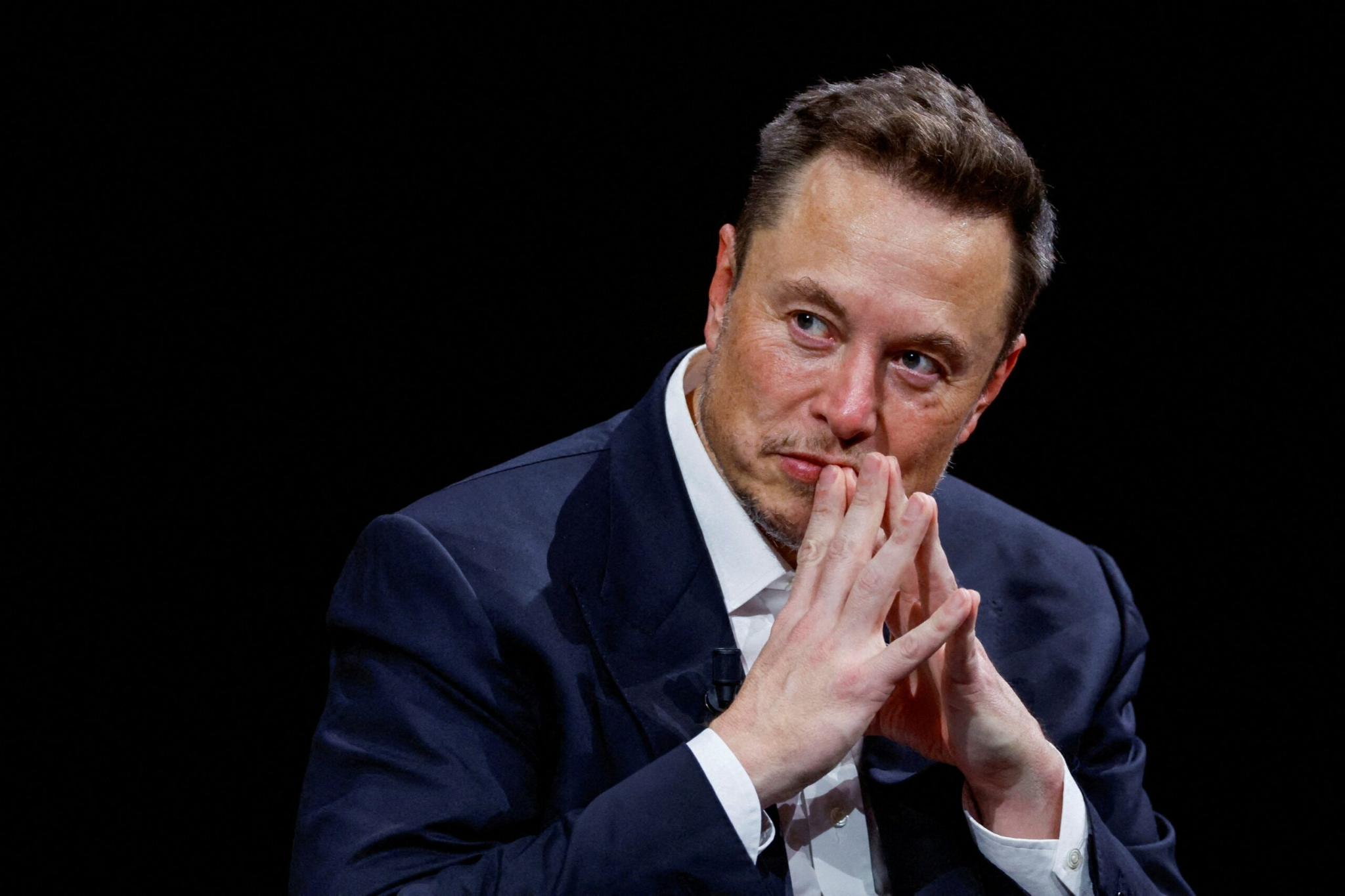
Elon Musk became the world's richest person in 2021, as Tesla's rising market value pushed his wealth above Jeff Bezos' at the time.
Tesla was only part of the picture. SpaceX had become a major private space company, while Starlink was building a satellite internet network. Musk also moved further into artificial intelligence through his other businesses.
On June 12, 2026, SpaceX began trading on Nasdaq. Its IPO raised about $75 billion, while the underwriters' option could take the total to roughly $86 billion. The company reached a market value of roughly $2.1 trillion on its first day.
Forbes estimated that Musk's holdings pushed his net worth to about $1.1 trillion, making him the first person to cross the trillion-dollar threshold.
That $1.1 trillion figure did not last. Musk's estimated wealth continued to move with the value of his assets, and bySeptember Forbes put his fortune at about $886 billion, while still ranking him as the world's richest person.
The milestone itself had already happened.
From Oil to AI
The striking thing about the timeline is how much the underlying businesses have changed.
Rockefeller and Getty made their fortunes from petroleum. Tsutsumi and Mori rode Japan's property boom. Gates built his fortune on software, Bezos on e-commerce and cloud computing, while Musk's wealth now stretches across electric vehicles, space technology, satellites and artificial intelligence.
The industries are different, but the pattern is familiar: fortunes grow alongside businesses that are becoming unusually valuable, and the companies capable of producing that kind of wealth can look very different from one generation to the next.
The next name on this list will come from an economy we cannot map as neatly from where we are standing today.