A Tale of Two Energies: The $2.35bn Mambilla Ruling and the Dangote IPO
The Mambilla ruling and Dangote IPO reveal two sides of Nigeria’s energy economy: public projects must deliver power, while private investment must deliver value.
If you stepped away from your phone for a minute this week, you missed a lot.
Nigeria avoided a $2.35 billion arbitration claim in Paris, while at home, Nigerians were rushing to buy Dangote Refinery shares heavily enough to overwhelm some of the platforms people use to invest.
One story came from a dispute over a power project that has been running for years without producing electricity, while the other involves a refinery that is already operating and has now opened part of its ownership to the public.
The Paris Ruling and the $2.35bn Claim
Sunrise Power took Nigeria to arbitration in 2017 over an agreement connected to the proposed Mambilla hydropower project in Taraba State.

The company was seeking about $2.35 billion, arguing that Nigeria had breached a 2003 agreement relating to the planned 3,050MW project.
The project was planned as a $6 billion build-operate-transfer project. A later settlement between Nigeria and Sunrise Power also led to a separate dispute involving $400 million.
On September 17, anInternational Chamber of Commerce tribunal in Paris dismissed Sunrise Power's main claim against Nigeria and rejected its request for the additional $400 million.
Sunrise Power and its promoter, Leno Adesanya, were also ordered to reimburse 75% of Nigeria's legal fees and expenses from the arbitration. The tribunal put those costs at about $11.82 million, with $2.5 million already covered by money held in escrow.
So when the headlines say Nigeria "won $2.35 billion", the more precise version is that Nigeria avoided liability for a $2.35 billion claim.
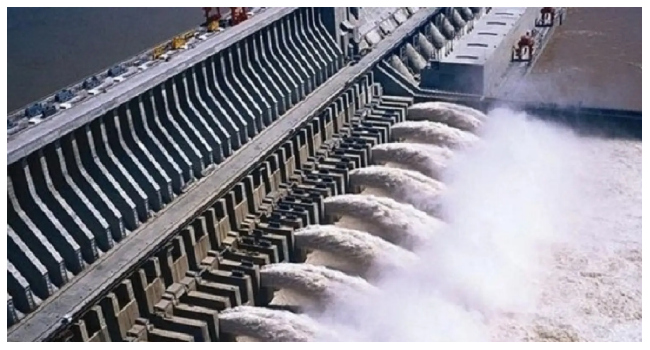
The ruling is good news for Nigeria's legal position, but Mambilla itself is still where it was before the case was decided. The proposed plant has to be financed, constructed and connected to the grid before its planned 3,050MW can become electricity.
For Nigerians who have followed the project over the years, that is the part that still matters. A legal ruling can settle a claim; it can't put power into someone's house.
Nigerians Started Buying Dangote
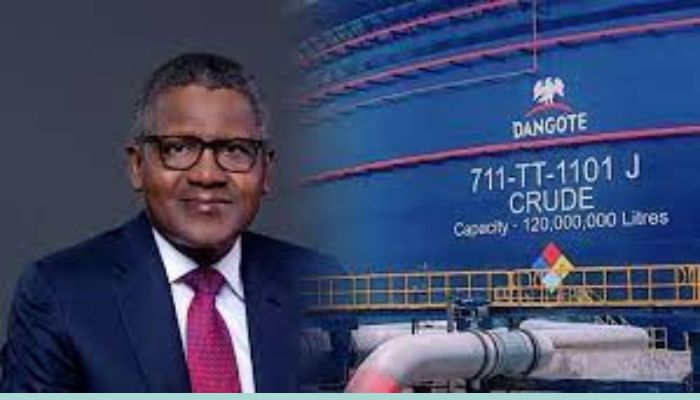
On September 14, Dangote Petroleum Refineryopened its IPO.
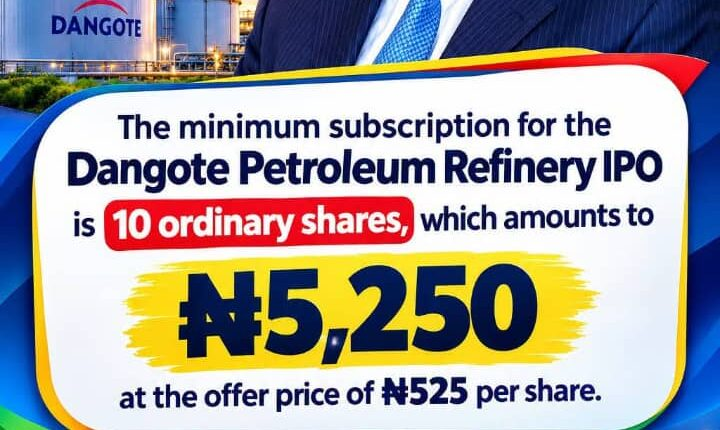
The offer puts 4.1 billion ordinary shares on sale at ₦525 per share, with a minimum subscription of 10 shares, or ₦5,250. The offer closes on October 13 and is worth about ₦2.15 trillion. Reuters described it as Africa's largest initial public offering.
Within the first few days, demand was heavy enough to cause problems for some of the platforms Nigerians use to invest.
Bamboo recorded a tenfold increase in traffic within 30 minutes of the offer opening, while Cowrywise and InvestNaija also experienced outages.
Ten shares cost ₦5,250, so someone can enter without having millions of naira available. But ₦5,250 is still meaningful money for a lot of people. It could go towards transport, food, school expenses or the electricity bill.

Anyone buying the shares is also taking the usual investment risks. Share prices can fall, dividends aren't guaranteed and returns will depend on how the company performs.
The Securities and Exchange Commissionhas warned investors about fraudulent platforms and advised them to use approved channels for the offer.
The refinery currently has a capacity of 700,000 barrels per day, while Dangote plans to increase that to 1.4 million barrels per day over the next three years. The company has said proceeds from the IPO will support the refinery's long-term growth and other strategic investments.
Beyond the ₦5,250 Entry Point
The first few days of the IPO showed that people are interested in buying into large Nigerian businesses when they have access to the offer.
For retail investors, buying the shares is only the first step. They still need reliable platforms, clear information and an understanding of the risks involved.
For years, Nigerians have mostly encountered projects like Mambilla from the outside. They hear the figures, follow the contracts and wait for the electricity. With the Dangote IPO, some are entering an energy business from the other direction, with their own money.
Ten shares won't give anyone control of a refinery, but they do change the relationship slightly. You aren't only watching what the company does anymore; part of your money is tied to it.
That makes the next few months interesting for reasons beyond the IPO itself. Dangote investors will be watching what their shares are worth and what the refinery earns.
Nigerians waiting for Mambilla will be watching something more basic: when does 3,050MW become electricity?