Ember to Remember: Nigeria’s New 100-Day Tourism Season
Nigeria now has a coordinated September–December national calendar bringing the country’s festivals, concerts, exhibitions, food and fashion events, cultural celebrations and tourism experiences into one system.
We are heading into the part of the year when the calendar gets crowded.
There'll be festivals, concerts, weddings, cultural events and the usual December movement.
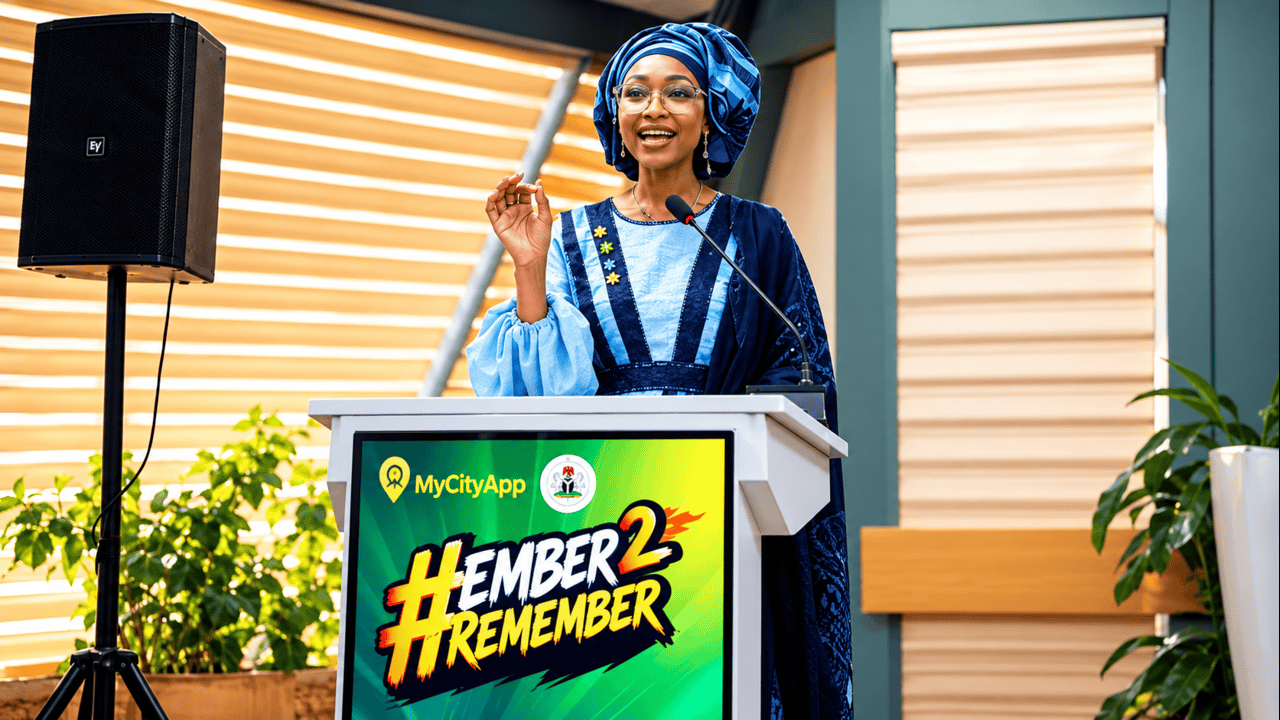
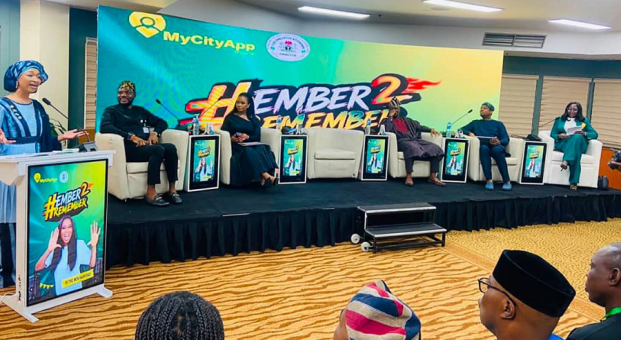
On September 14, the Federal Government added something new to that familiar stretch: the formal launch of Ember to Remember 2026, a 100-day tourism season running from September through December.
Nigeria's 100-Day Tourism Season
Ember to Remember brings events and tourism activities from across the country under one national programme.
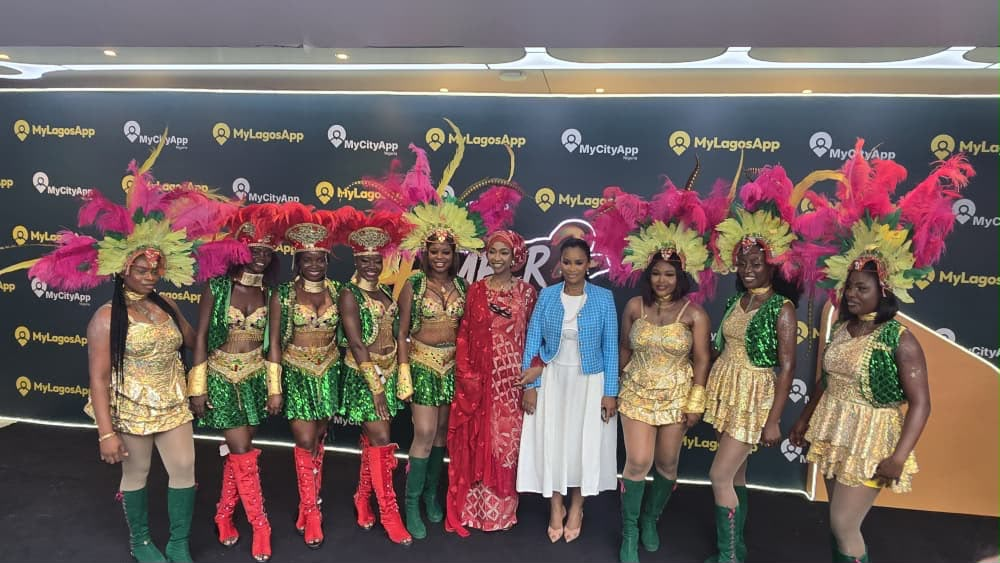
TheMinistry of Art, Culture, Tourism and the Creative Economy announced it in August, describing it as a season connecting tourism with the creative economy, hospitality and other parts of the visitor experience. The September launch in Lagos brought government officials and industry stakeholders together to begin the programme.
A festival in one state, a concert in another and a tourism experience somewhere else can all be part of the same 100-day season.
Nigeria has had tourism event calendars before, including anannual calendar maintained by the Nigerian Tourism Development Authority. What is different here is that the government is trying to put those separate activities under one national season. Ember to Remember runs from September to December, with a central digital calendar where the events can be listed and found.
One Calendar for What Is Already Happening
The government is usingMyCityApp as the National Digital Events and Experiences Calendar for the season.
Organisers can list their events on the platform, while Nigerians, people in the diaspora and international visitors can use it to find experiences across Nigeria's 36 states and the FCT.
If you're planning a trip for a festival or concert, you can check the platform and see what else is happening while you're there. An organiser outside Lagos or Abuja can also put an event in front of people who might otherwise never hear about it.
That depends on people actually using it, though. Organisers have to keep their listings current, and visitors have to know the platform is there in the first place.
Where the Money Is Supposed to Go
When you travel for an event, you start spending before you even get there.
There's transport, a hotel, food, local movement and whatever else you decide to do while you're around. If you attend a festival, you might buy something from a vendor or stay another night while some business gets the money.
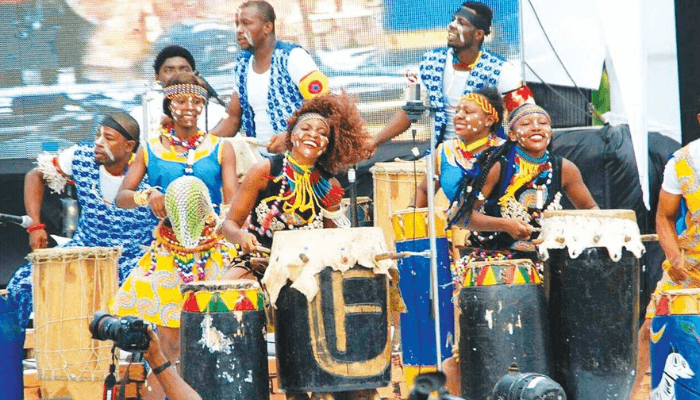
At the September launch, Tourism Minister Hannatu Musawa spoke of a$100 billion potential for Nigeria's tourism and creative economy. The figure refers to the opportunity the government says the sector could unlock, rather than existing tourism revenue.
For some perspective, theWorld Travel & Tourism Council estimates that Travel & Tourism contributed about $7.5 billion to Nigeria's economy in 2025. That's a different measure from the government's $100 billion figure, which covers the broader tourism and creative economy potential.
The spending around an event can reach hotels, restaurants, transport operators, vendors and other businesses that have little to do with the event itself.
Beyond the December Rush
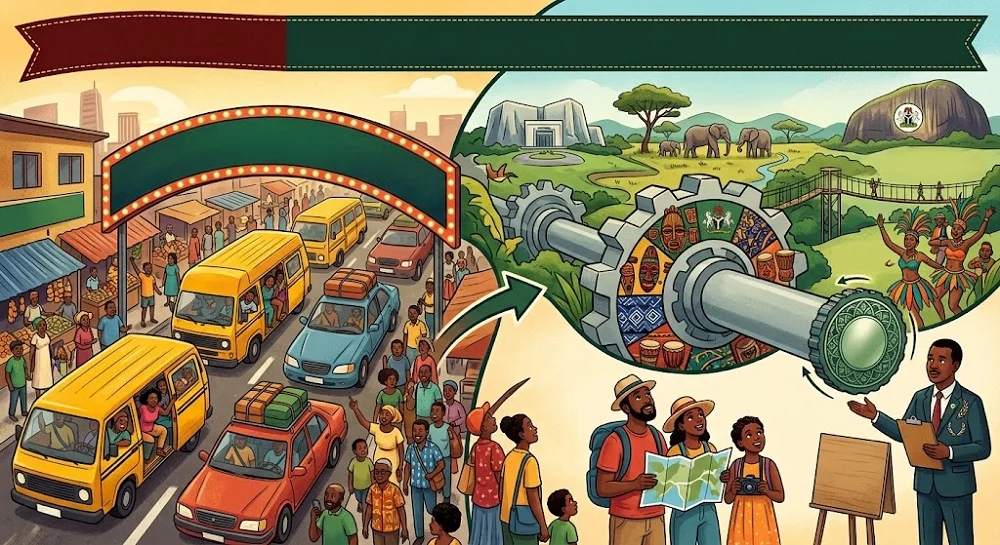

Then there is January, when the visitors go home, the concerts stop and the December rush ends.
Nigeria's tourism industry has a strong end-of-year period, but stakeholders at the September 14 conference also called for tourism activity to continue throughout the year rather than depend so heavily on December. Musawa said the ambition must go beyond December and require longer-term planning, investment and collaboration.
Ember to Remember gives the country 100 days to see what happens when that activity is organised and promoted as one season.
Visitors still have to get there, find somewhere to stay and have a good experience once they arrive. Those parts of the trip will matter just as much as getting people to notice the events.
By January, the country should have a clearer picture of what the season actually changed: which events reached new audiences, which businesses saw more visitors and whether any of that movement continued after December.