What If Dangote Refinery’s “People’s IPO” Becomes Bigger Than Expected?
Dangote says he is willing to give up more of his refinery stake if demand surges—but how much of Africa’s biggest refinery could ordinary investors actually own?
What happens when a company offers billions of shares to the public, only to discover that more people want a piece of it than the original offer can accommodate?
That could become the next big question surrounding the Dangote Petroleum Refinery’s ₦2.15 trillion initial public offering (IPO).
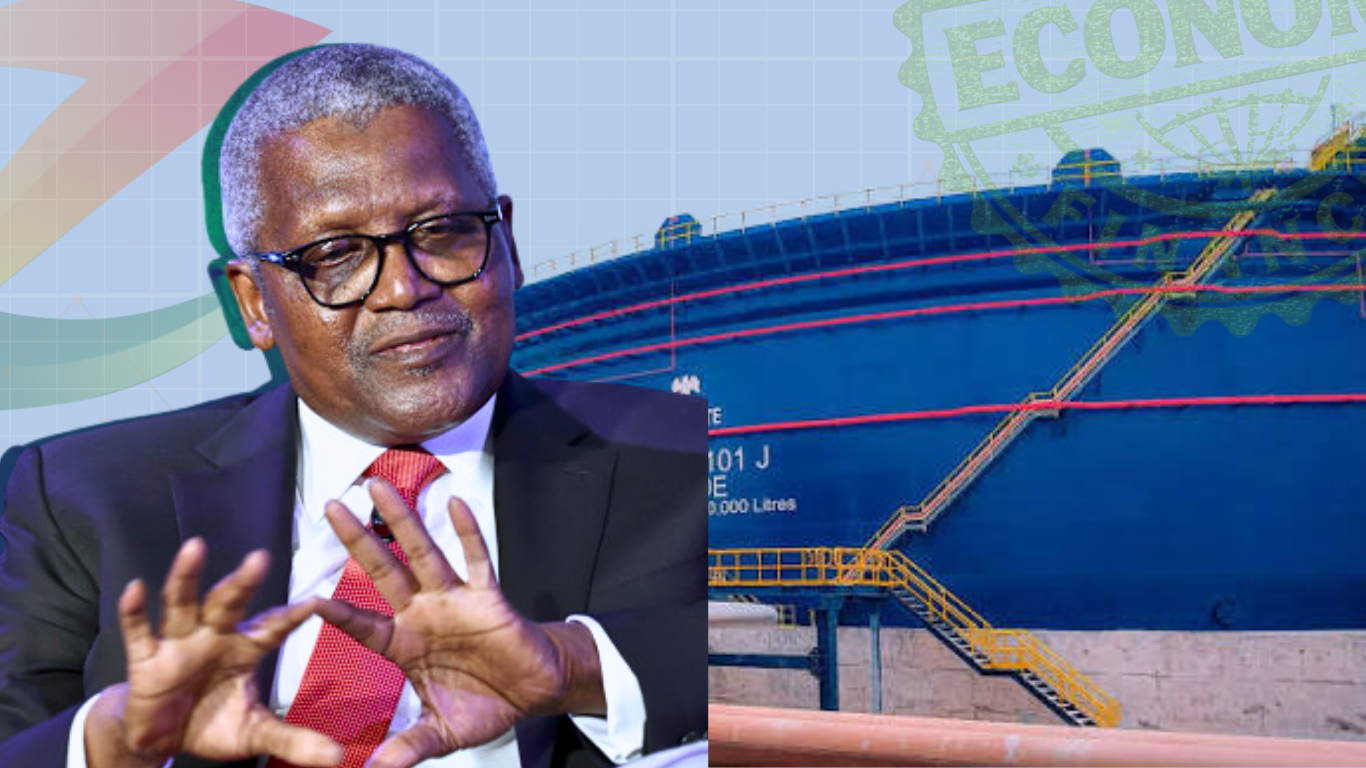
Africa’s wealthiest man, Aliko Dangote, says he is willing to give up more of his ownership if demand is strong enough, potentially allowing more investors to become shareholders in Africa’s biggest refinery.
“I don’t mind to be diluted as much as possible because I want people to actually be part of this good journey,” Dangote said in an interview aired by ARISE News.
The statement is significant because the current offer represents only a small slice of the refinery. The question now is whether strong demand could push that slice wider.
Dangote Says He Is Willing to Give Up More
The current IPO offers 4.1 billion new shares at ₦525 each, raising about ₦2.15 trillion, or roughly $1.6 billion.
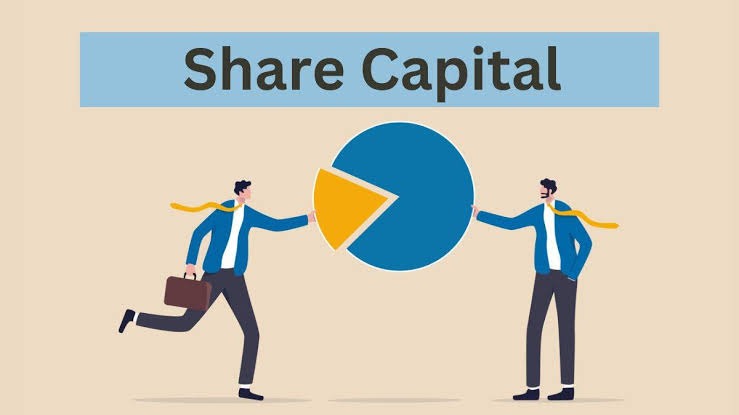
Those shares represent approximately 3.3% of the refinery’s enlarged share capital.
But Dangote says the company could make more shares available if investors struggle to secure enough from the initial allocation.
“We’ll give up more shares,” he said when asked why existing investors were still retaining such a large majority of the company despite describing the offering as a “People’s IPO.”
His reasoning is different from the usual approach of a major shareholder trying to preserve as much ownership as possible.
“This business does not belong to Mr Dangote; it belongs to all of us,” he said.
He also said the refinery wants to attract at least 10 million shareholders, with smaller retail investors receiving priority during the allocation process.
That could turn the IPO into more than a fundraising exercise. It could become an attempt to spread ownership of one of Africa’s most important industrial assets among millions of ordinary investors.
The Numbers Show How Small the Current Offer Really Is
At ₦525 per share, an investor can apply for as few as 10 shares, costing ₦5,250.
That relatively low entry point matters.
If 10 million shareholders each bought just 10 shares, they would collectively hold 100 million shares. At the IPO price, that would represent ₦52.5 billion worth of shares.
But the entire offer is 4.1 billion shares.

So the challenge is not simply whether Nigerians and other investors want to buy into the refinery. It is whether the number of shares available can satisfy the scale of that interest.
If applications significantly exceed the shares on offer, investors could receive fewer shares than they requested.
That is where Dangote's willingness to accept further dilution becomes important.
The IPO prospectus already contains an over-allotment option that could allow additional shares to be issued if the offer is oversubscribed. Dangote's comments suggest the company could consider going further if demand remains strong.
“We will do whatever it takes to make sure that we satisfy people who have actually persisted in getting these shares,” he said.
However, this should not be interpreted as a confirmed increase in the offer. Dangote did not state exactly how many additional shares could be released, when that would happen or how much ownership he would ultimately be willing to surrender.
A subsequent report by BusinessDay said Dangote planned “30 per cent more” share sales, but that specific figure does not appear in his published ARISE News comments. It therefore should not be treated as a confirmed target.

Could Millions of Small Investors Change What the Refinery Means?
The bigger story may not be the money raised through the IPO, but who gets to own the refinery after it.
The current offer values the refinery at approximately $49 billion, compared with about $40 billion attached to its $2.5 billion private placement in July.
Yet the public is initially being offered only about 3.3% of the enlarged company.
That creates an interesting contradiction: the refinery is being presented as a “People's IPO,” but the public's initial ownership remains relatively small.
Dangote's willingness to be diluted could change that balance.
For a retail investor, owning 10 or 20 shares will not give them meaningful control of the refinery. But if millions of people become shareholders, the psychological and economic significance could be much bigger.
Instead of simply buying fuel from the refinery, ordinary Nigerians could potentially own a tiny part of the company producing it.
That is particularly interesting because the refinery is no ordinary business. It began production in 2024 and currently processes about 700,000 barrels of crude per day, with plans to double capacity to 1.4 million barrels per day by 2029.
That expansion is expected to require another $14.3 billion.
So the IPO is arriving at a point when the refinery still has enormous ambitions and equally enormous capital requirements.
The Real Test May Be Demand, Not the Headline Number
The offer is scheduled to close on October 13, with trading on the Nigerian Exchange expected to begin in November, subject to regulatory approval.
The early response will therefore matter.
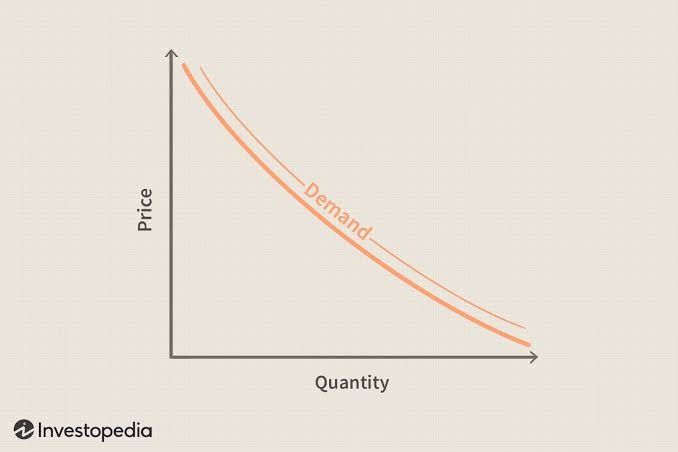
If demand is overwhelming, the company will face a question that sounds simple but has serious consequences: how much of the refinery should be placed in the hands of the public?
More shares could mean broader ownership and greater public participation. But it would also mean existing shareholders, including Dangote, owning a smaller percentage of the company.
For Dangote, however, that appears to be a trade-off he is prepared to accept.
“I don’t mind being diluted as much as possible,” he said.
That may ultimately be the most interesting part of this IPO.
The success of the “People's IPO” may not be measured only by whether it raises ₦2.15 trillion. It may also be measured by how many ordinary people actually become owners—and whether the public gets a larger piece of the refinery than the original offer promised.
Because if millions of investors are knocking on the door, the real question may no longer be whether people want to own a piece of Dangote Refinery, but how much of that piece they will ultimately be allowed to own.