School Resumes, Business Resumes: The Economics of Back-to-School Spending
Every September, Nigerian families spend to send children back to school, creating a seasonal economy that puts a whole network of small businesses back to work.

It's September again and many businesses come alive, not because it's the festive season, but because schools are reopening.
This September, as schools reopen for another academic session, parents are preparing children for class.
That preparation reaches far beyond the school itself and for these businesses, as it reaches the tailor taking uniform orders, the bookseller stocking textbooks, the shop selling shoes and bags, the driver waiting for school-run passengers and the food seller preparing for the return of students.
The school calendar surely brings customers with it.
When school starts, business starts too
Think about what happens before a child returns to school.
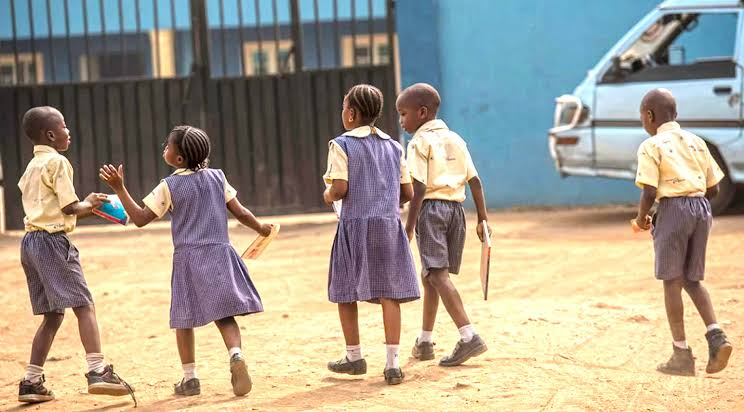
There is the uniform, perhaps a new pair of shoes, exercise books, textbooks and stationery. There may be a school bag to replace and other things on the school's list that cannot be ignored.
Then the term begins and another layer of spending follows. Children need transport to school and something to eat during the day. Barbers and salons would also see more children coming in as families get them ready for the new term.
The spending does not stay with the school. It moves through the businesses parents rely on to get their children ready and through the services they use once school begins.
The rush was already visible in Ibadan before schools reopened, which does not exclude other markets in other cities as there is increased demand for uniforms, textbooks, exercise books, bags, socks and shoes.
It is most accurate to say that traders sales had tripled in the week before resumption.
But there is another side to the spending.
What parents are paying
Getting children ready for school is costing more this year.
Source: The Guardian
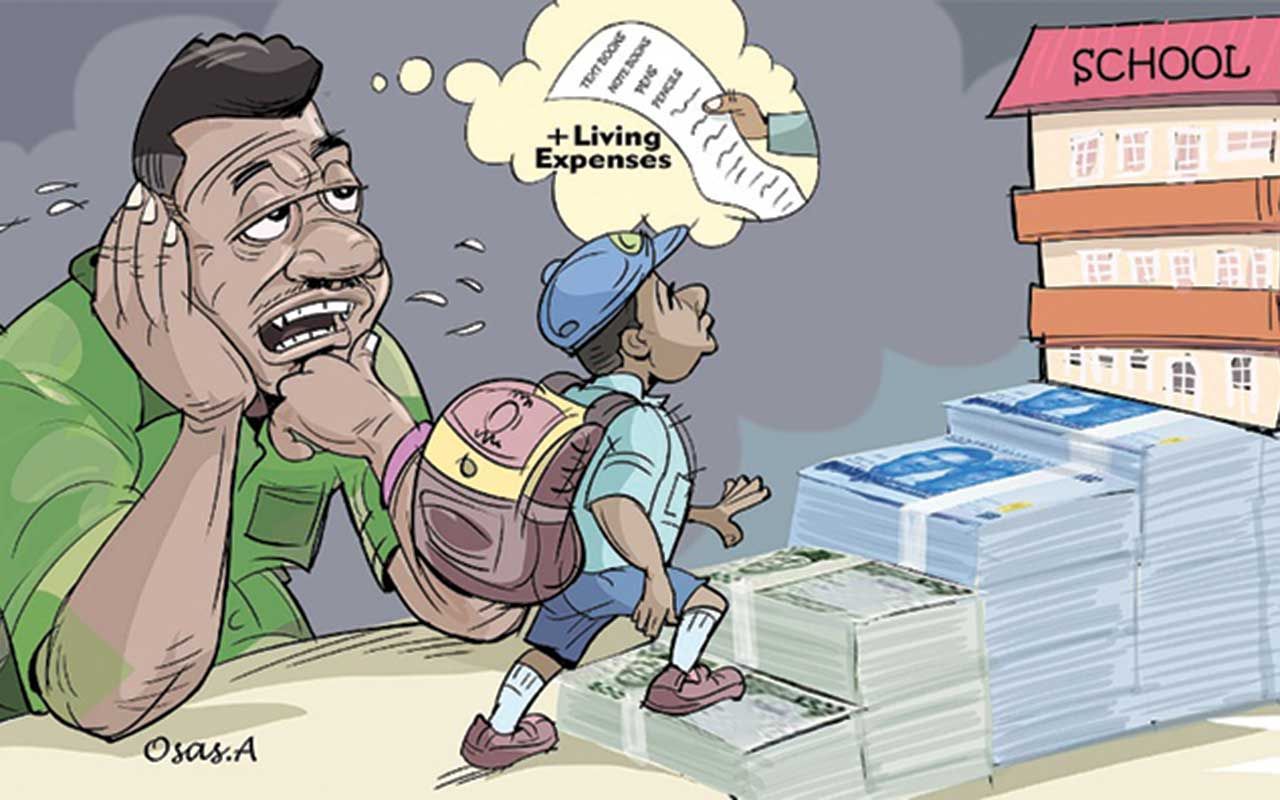
Some private schools have increased their fees ahead of the new academic session, with current reports putting increases at up to 30 to 40 per cent in some schools. School proprietors have pointed to higher operating costs, including fuel, transport, rent, textbooks, infrastructure and staff salaries.
Textbooks have gone up too as] prices for books in core subjects at basic and senior secondary levels have risen by about 25 to 30 per cent.
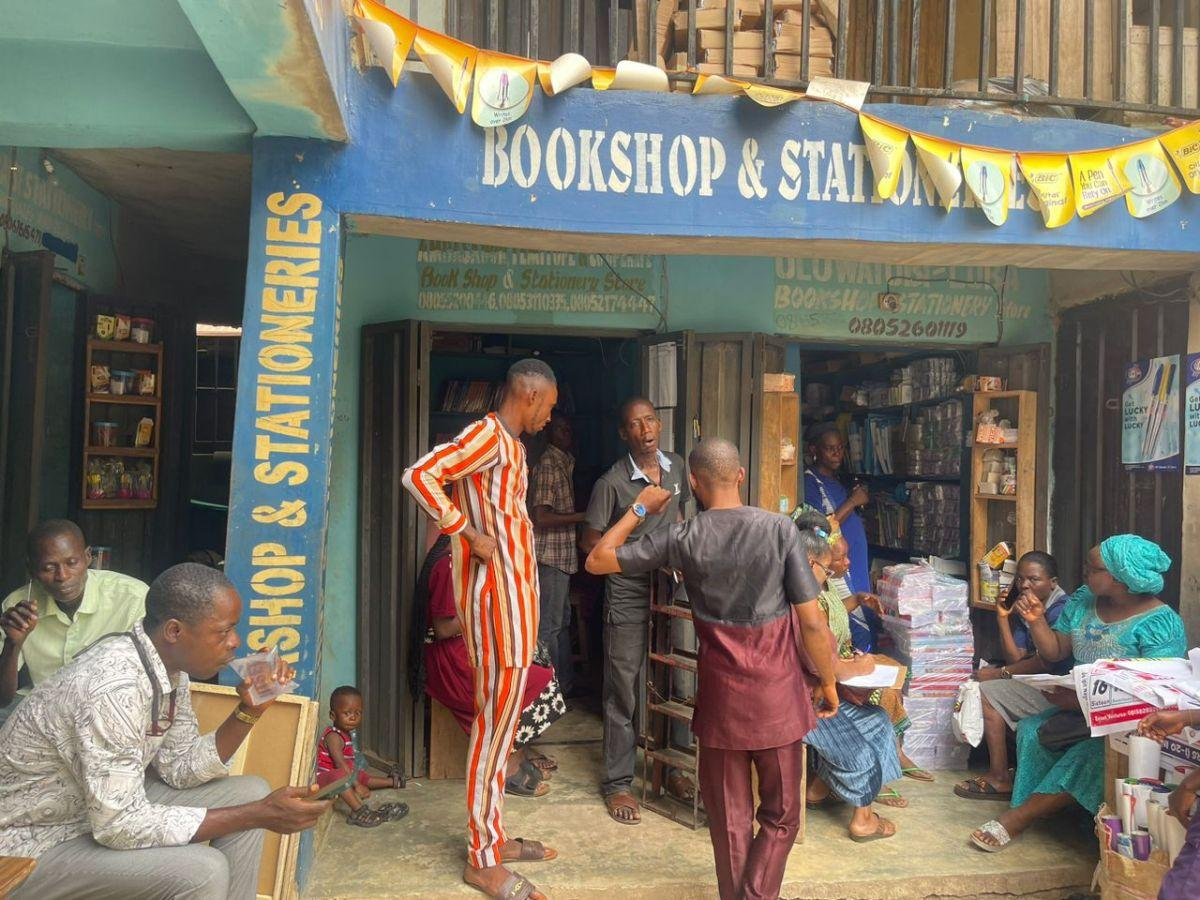
One parent in Ibadan said uniform materials that cost ₦9,000 in the previous session now cost ₦15,000. Books and sandals had also become more expensive.

That is ₦6,000 more on uniform materials for one child.
For a family with more than one child, the difference can grow quickly once school fees, books, shoes, transport and food are added.
More sales do not always mean more profit
This is where things get interesting for the businesses benefiting from the September rush.
A business can have more customers and still find that its profit has not grown by the same amount.
The tailor receiving more uniform orders still has to buy fabric. The bookseller has to replace the textbooks being sold. A food vendor serving more students has to buy ingredients, while a driver carrying more children has fuel and maintenance to pay for.
They may be selling more, but they are also paying more to keep the business running.
That matters because the money parents are spending is not necessarily translating into the same amount of extra income for the businesses receiving it.
Go back to that ₦6,000 difference on uniform materials. The seller has more money coming in, but if the cost of replacing that fabric has also risen, the extra does not simply become profit.
This is the part of back-to-school spending that is easy to miss when all we see is a busy market.
The businesses are getting the customers while parents are doing the spending, but both sides are dealing with higher prices.
And the spending does not necessarily end when the first week of school is over. Transport, food, school activities, projects and other term-time expenses continue to draw money from households.
That is what makes this year's school resumption different from simply having a busy September.
To the students returning to school, happy resumption.
And to the parents who have spent the last few weeks making the numbers work, we hope the new term is worth every naira.