After 12 Years Under a US Restriction, Nigeria's Ports Are Getting a Vote of Confidence
After 12 years of US scrutiny, Nigeria's ports are being praised for improved security. But can that progress translate into faster, more efficient trade?
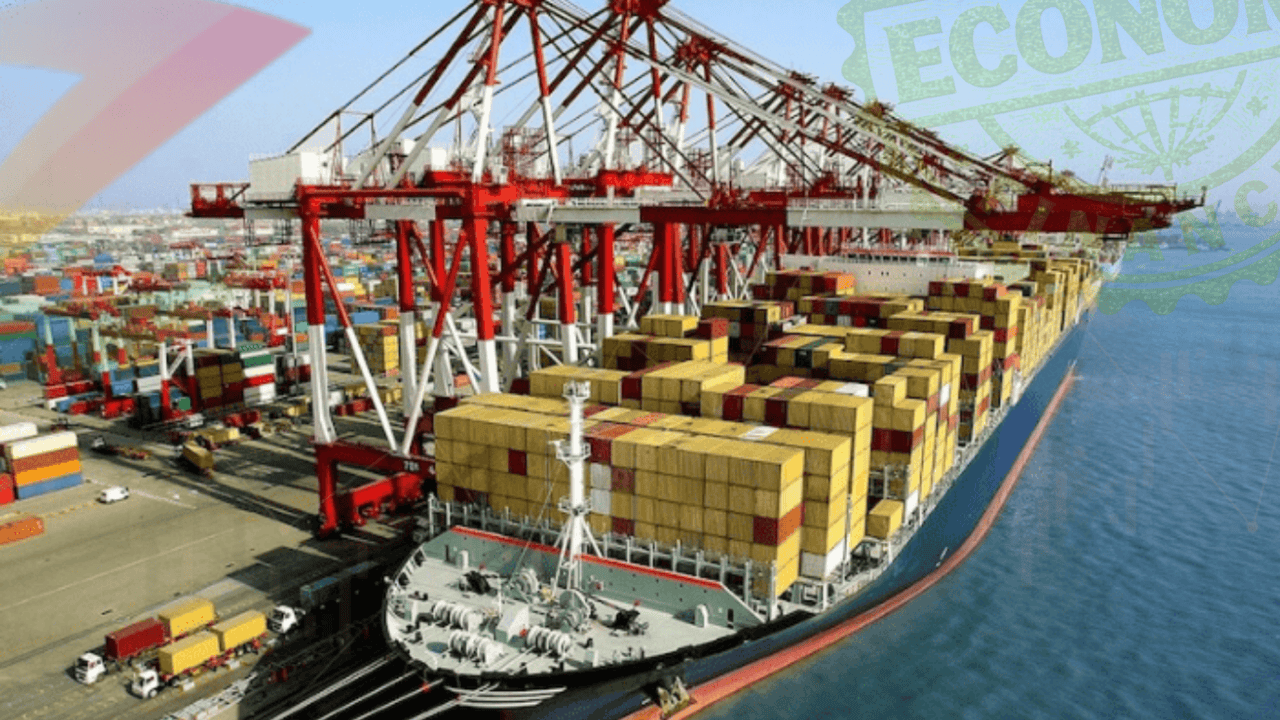
For a country that spent the past 12 years under a US maritime security restriction, receiving commendations from the United States now is quite a turn.
The US had spent years flagging problems with Nigeria's maritime security. Vessels coming from certain Nigerian ports to the US had to deal with additional security requirements because of it.
Now, that restriction has been lifted, and Washington is publicly commending Nigeria for the reforms that made the change possible.
That sounds like a simple piece of good news until you look at how long Nigeria had to live with the problem.
Why Did the US Put Nigerian Ports Under Extra Scrutiny?
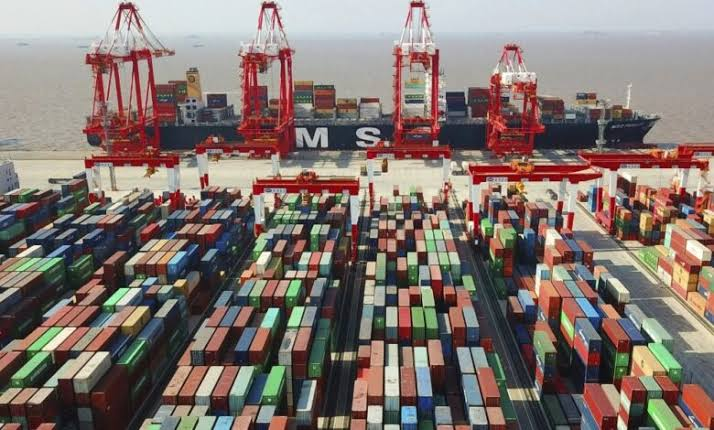
The US Coast Guard imposed the Condition of Entry (CoE) on June 25, 2014. Under the restriction, vessels that had called at certain Nigerian ports within their previous five port calls faced additional security measures before entering US waters.
Twelve years later, the US Coast Guard lifted the Condition of Entry, effective August 19, 2026.NIMASA says the change followed four assessments of Nigeria's maritime security system and port facilities between 2024 and 2026.
In a letter to Marine and Blue Economy Minister Adegboyega Oyetola, US Assistant Secretary of State for African Affairs Frank W. Garcia Jr. congratulated Nigeria and linked the decision to improvements in port security and counter-terrorism compliance.
For vessels moving between Nigeria and the US, that should mean fewer security-related requirements and costs, as well as more predictable schedules.
For Nigeria, after 12 years of having its port security questioned by a major trading partner, there's also a reputational gain.
But reputation eventually has to show up in the way the port works.
Nigeria Is Handling More Cargo. What Happens After It Arrives?
There are signs that more ships and more cargo are already moving through Nigerian ports.
According to theNPA's Q2 2026 Operational Performance Report, cargo throughput rose 12.3 per cent, from 31.8 million metric tonnes in Q2 2025 to 35.7 million metric tonnes in Q2 2026. Ocean-going vessel calls rose 14.4 per cent to 1,201, while container traffic increased 11.3 per cent to 602,392 TEUs. NPA Managing Director Dr Abubakar Dantsoho said the numbers reflect the resilience of Nigeria's seaports and their growing capacity to facilitate trade.
That growth matters because a port can't become a stronger trading hub by having empty berths. There has to be enough activity for shipping lines, importers and exporters to keep using it.
Yet the number of containers moving through a port tells only part of the story.
Boma Alabi, chairman of the Shipping Association of Nigeria, said in a September 2 interview that cargo dwell time at Nigerian ports still averages 18 to 21 days, with congestion and procedural inefficiencies adding to storage, demurrage, trucking and financing costs.
The figure lines up with whatVice President Kashim Shettima cited when he warned that Nigeria's ports record dwell times 475 per cent above the global benchmark, compared with five to seven days in Ghana and four days in Benin Republic.
That's where the everyday economics of the port begin to show up.
A ship can arrive safely. The cargo can clear security checks. The port can record higher throughput. But if a container then spends weeks waiting to leave the terminal, the benefit is harder for the importer, exporter or final consumer to feel.

The people who use the ports are therefore looking at a slightly different set of numbers from the ones announcing rising cargo volumes.
The Port Does Not End at the Terminal
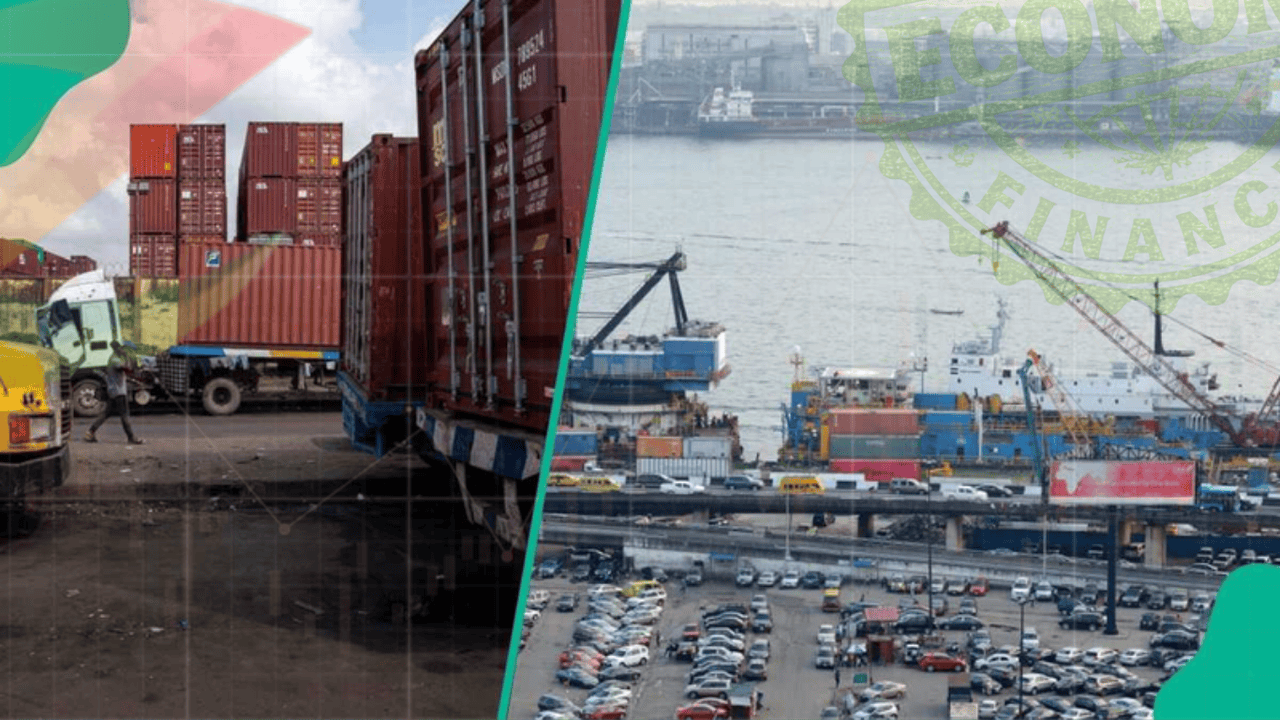
At a maritime sector event in Lagos this month, Captain Wareddi Enisuoh of Tantita Security Servicesput the problem in a sentence that's difficult to miss:
"You cannot modernise a port without modernising your exit points."
His point was about what happens after cargo has been handled inside the terminal. Roads, bridges, waterways and cargo evacuation routes can determine how quickly goods actually get out.
That makes the next phase of Nigeria's port reforms less glamorous than announcing a new facility or celebrating a rise in cargo volumes. It involves the parts of the system that a shipper notices when a container is already sitting at the port.
The government has set aseven-day cargo dwell-time target, while the NPA has been working on digital reforms including the Port Community System and National Single Window.
Those measures will matter if they reduce the number of times cargo gets held up between arrival and exit.
The next gains will be measured closer to home: how long ships wait, how long containers sit, how easily trucks and barges move cargo away from the terminals, and how much all of that eventually costs the businesses using the ports.
After 12 years under the US restriction, Nigeria has earned the vote of confidence and so its ports have to make that confidence useful.