How Startups Leverage Low-Code and No-Code Tools to Move Fast and Save Money
Meta: Startups can leverage low-code and no-code tools to quickly launch products, save costs, and adapt to market changes. Learn practical tips and best practices for using these platforms to grow your business efficiently.
Startups today are under constant pressure.
They need to launch products fast, save money, and adapt quickly to market changes.
But not every startup has the resources to hire a big team of developers or spend months coding an app from scratch.
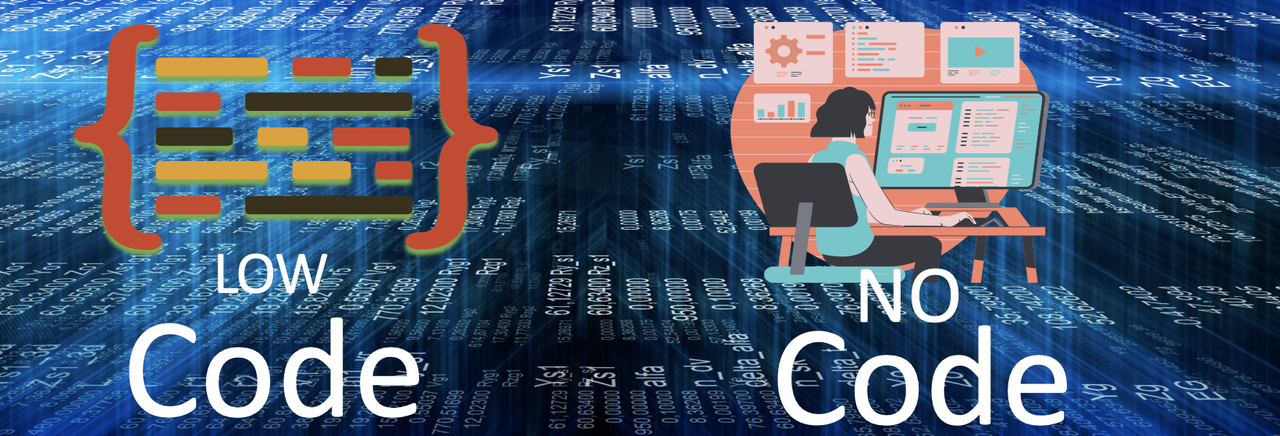
This is where low-code and no-code tools come in, and they are becoming game-changers for small businesses everywhere.
Understanding Low-Code and No-Code Tools
So, what exactly are these tools?

Low-code platforms, likeOutSystems andMendix, allow you to build applications with minimal coding. You might still need to write a little code for complex features, but most of the work is simplified.
No-code platforms, such asBubble,Webflow, andAirtable, take it a step further, letting you create apps entirely without writing code.

These tools often use drag-and-drop interfaces and prebuilt templates, so you can focus on your ideas instead of technical details.
Why Startups Should Use These Tools
For startups, speed is everything.
With low-code and no-code tools,
You can turn an idea into a working product in days instead of months.
This means you can test your concept with real users quickly.
For example, if you want to launch a marketplace for local artisans, you can have a basic version up and running within a week using these platforms.
You can then gather feedback, make improvements, and avoid spending months on a product that might not work.
Cost is another big factor.
Hiring developers is expensive, especially if you want to build a fully functional app.
With these tools, a small team or even a single founder can handle development.

The subscription fees are usually much lower than hiring a full team, and you get a lot of features built-in.
This is a huge advantage for early-stage startups that need to manage every dollar carefully.
Flexibility is also key.
Startups pivot often based on customer feedback.
If your initial idea needs changes, low-code and no-code tools make it easy to adjust your app or website without rewriting everything from scratch.
You can test different versions of your product, change workflows, or update designs quickly, which is difficult to achieve with traditional coding.
Real-World Applications for Startups
These tools are also great for internal operations. You can create dashboards to track sales, manage customer data, or automate repetitive tasks.
Zapier, for example, can connect different apps so that when a new order comes in, your team gets notified automatically, data is updated in your database, and a confirmation email is sent to the customer.
One of the best ways startups use these tools is to launch a minimum viable product (MVP).
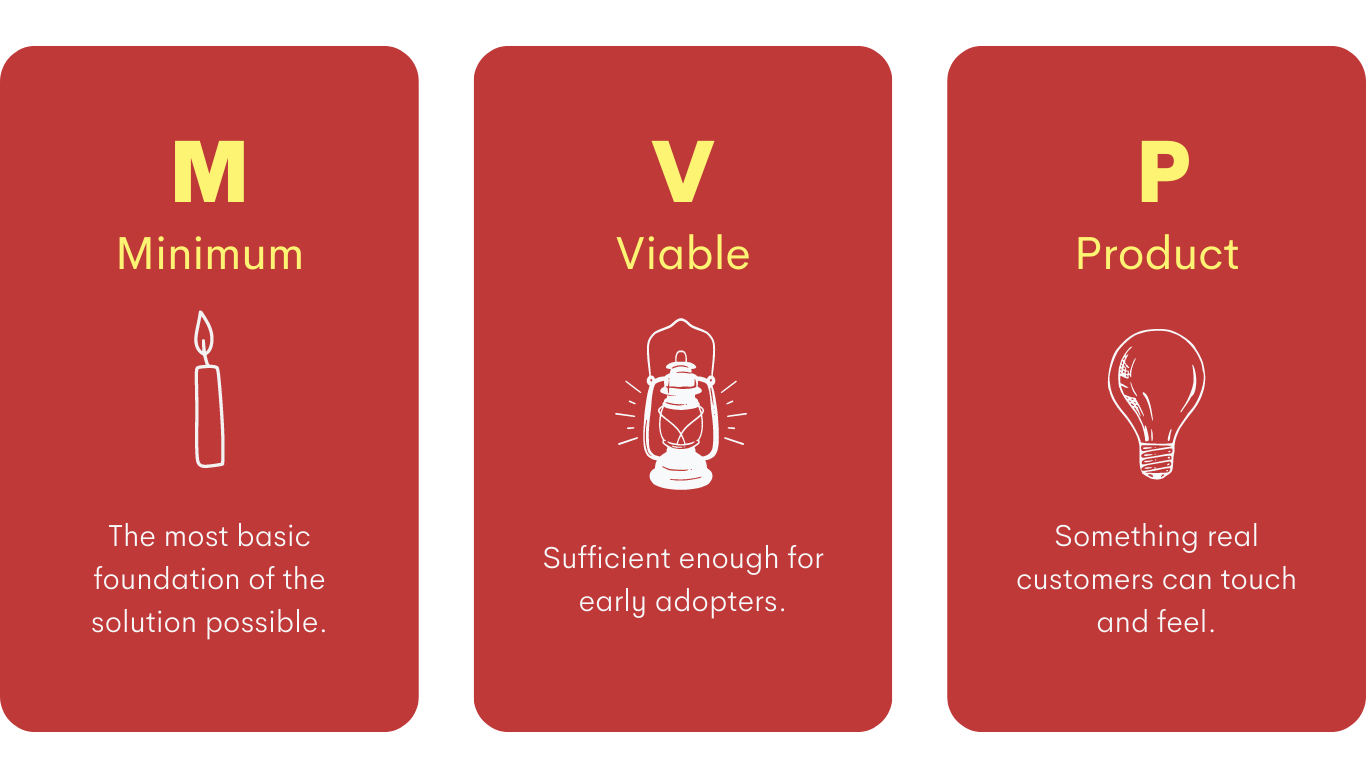
An MVP is a simple version of your product that includes only the core features needed to test your idea with real users. With low-code or no-code platforms, you can build an MVP quickly and start gathering feedback immediately.
Take a startup that wants to start a meal delivery service,
They can create a simple website like Webflow to display menus and accept orders. Airtable can serve as the backend database for managing customer orders, and Zapier can automate notifications to the kitchen and customers.
However, there are some things to keep in mind. While these tools are powerful, they might not scale easily for very large applications.
If your startup grows significantly, you may need to migrate to a more traditional development setup later.
Planning for this transition from the start can save headaches down the road.
Another consideration is choosing the right tool for your needs.
Some platforms are better suited for websites, others for mobile apps, and some excel at workflow automation.
Evaluate your requirements and select the platform that matches your goals. Also, keep your product simple in the beginning.
Focus on one core feature rather than trying to build everything at once.
Complexity can slow you down and dilute your efforts.
Conclusion
If you are a startup founder with an idea but limited technical resources, using low-code and no-code platforms is a smart move.
They provide the speed, flexibility, and cost efficiency that startups need to survive and thrive in competitive markets.
By leveraging these tools, your startup can focus on innovation and growth instead of getting bogged down in code.
The digital world is moving fast, and these tools are your ticket to keeping pace.