Health Inequities and Why ZIP Code Can Matter More Than Genetics
Your neighborhood affects your health more than your genes. Learn how ZIP codes shape access to food, care, safety, and opportunities.

When people talk about health, they often say things like, “It runs in my family,” or “It’s just genetics.”
While genes do matter, something important to know is: where you live can affect your health even more than the DNA you’re born with.
This idea helps explain something called health inequities, the unfair differences in health that happen between groups of people.
What are health inequities?
Health inequities are differences in health that are not caused by personal choices alone, but by unequal access to resources and opportunities.
These differences are often connected to things like money, education, race, and neighborhood.
For example, people living in wealthier areas often live longer and healthier lives than people living in poorer areas, even if they have similar genetics.
What does ZIP code have to do with health?
So “ZIP code” here is being used as a shorthand to describe the living conditions and resources in a person’s neighborhood.
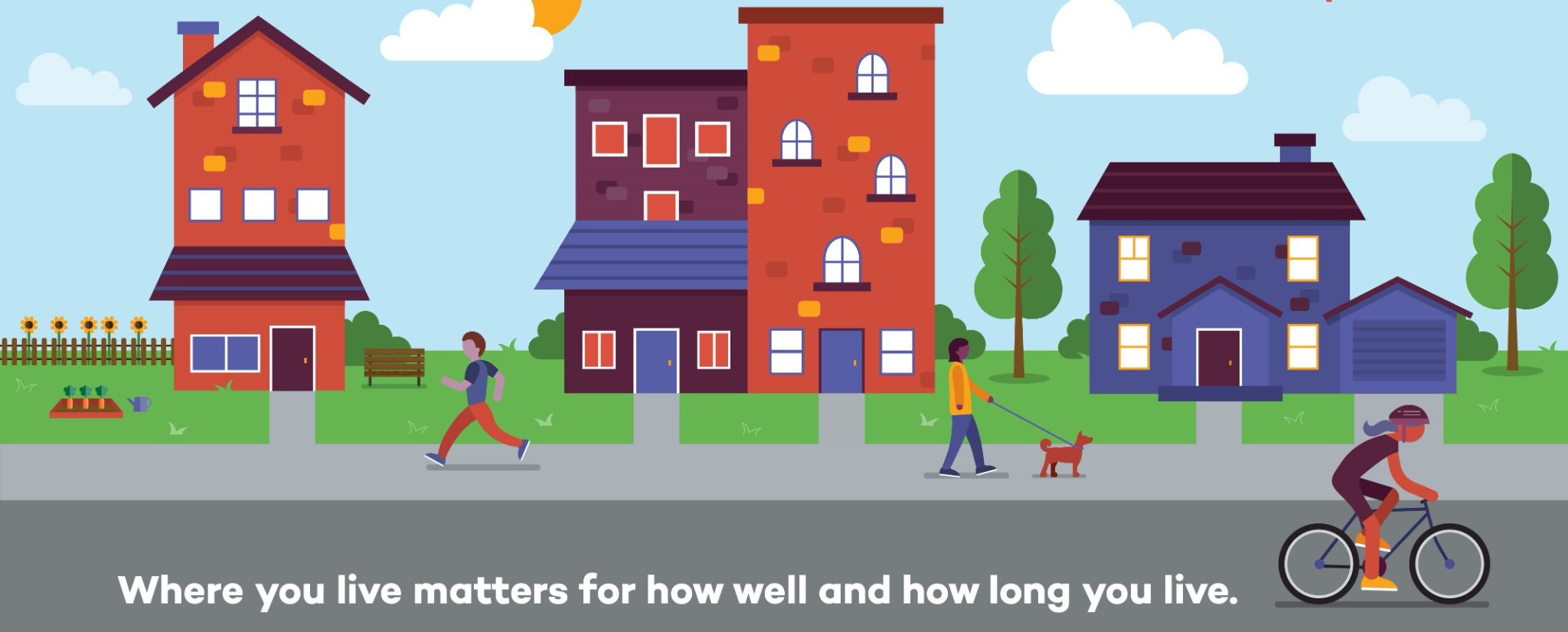
Over time, these things shape your health in powerful ways.
1. Access to healthcare
Some neighborhoods have lots of doctors, clinics, and hospitals. Others have very few.
If healthcare is far away or expensive, people are more likely to skip checkups, avoid seeing a doctor when they feel sick or find out about serious illnesses too late.
Getting help early can make a huge difference, but not everyone has that chance.
2. Food choices aren’t equal everywhere
Not all neighborhoods have grocery stores with fresh fruits and vegetables. Some areas mostly have fast food or convenience stores. These places are often cheaper and closer—but the food is usually high in sugar, salt, and fat.
When healthier food isn’t available or affordable, it increases the risk of obesity, diabetes and heart problems
This isn’t about willpower. It’s about what options people actually have.
3. Housing and living conditions
Safe housing is important for health. In some homes there are mold or pests, poor heating or cooling, or old paint with lead
These problems can cause asthma, allergies, and other health issues, especially for kids. Stable, safe housing helps people stay healthier both physically and mentally.
4. Environment and pollution
Some neighborhoods are built near highways, factories, or waste sites. This means more pollution in the air and water.
Breathing polluted air can increase the risk of asthma, lung disease and heart problems.

People don’t choose where pollution is placed, but it still affects their health.
5. Places to be active
Think about your neighborhood. Is there a park nearby? Sidewalks? Bike lanes? Places to hang out safely?
In many areas, people don’t feel safe walking outside or don’t have places to exercise. When movement isn’t easy or safe, people are less active, which affects both physical and mental health.
6. Stress and feeling safe
Living in a neighborhood with violence, financial stress, or discrimination can create constant stress. This kind of stress doesn’t just affect mood, it affects the body too.
Long-term stress can raise blood pressure, weaken the immune system or increase anxiety and depression
Over time, stress can make people feel tired, sick, or burned out.
So where do genetics fit in?
Genes matter, but they usually don’t decide everything. Think of genetics as setting a range. Your environment helps decide where you land in that range.
For example:
Someone might have a family history of diabetes but stay healthy because they have good food options, safe places to exercise, and regular medical care.
Another person with the same genetic risk might develop diabetes because they live in a stressful area with limited food and healthcare.
Same genes. Very different outcomes.

Studies show that people living just a few miles apart can have life expectancy differences of 10 to 20 years.
That’s not because of genetics, it’s because of differences in neighborhoods, schools, jobs, safety, and healthcare.
When families move to safer neighborhoods with better resources, their long-term health often improves, especially for children.
Conclusion
Understanding health inequities helps explain why health problems are not just about “making better choices.” It shows that systems and environments matter.
Improving health isn’t just about hospitals, it’s about better schools, safer housing, cleaner air, affordable healthy food and equal access to care.
Health inequities are not fair, but they are preventable.
By understanding how a place affects health, everyone can be part of creating healthier communities.