Funke Akindele: How One Woman Became Nollywood’s Benchmark
Funke Akindele’s journey from television actress to Africa’s highest-grossing filmmaker reveals how discipline, consistency, and strategic storytelling reshaped Nollywood.
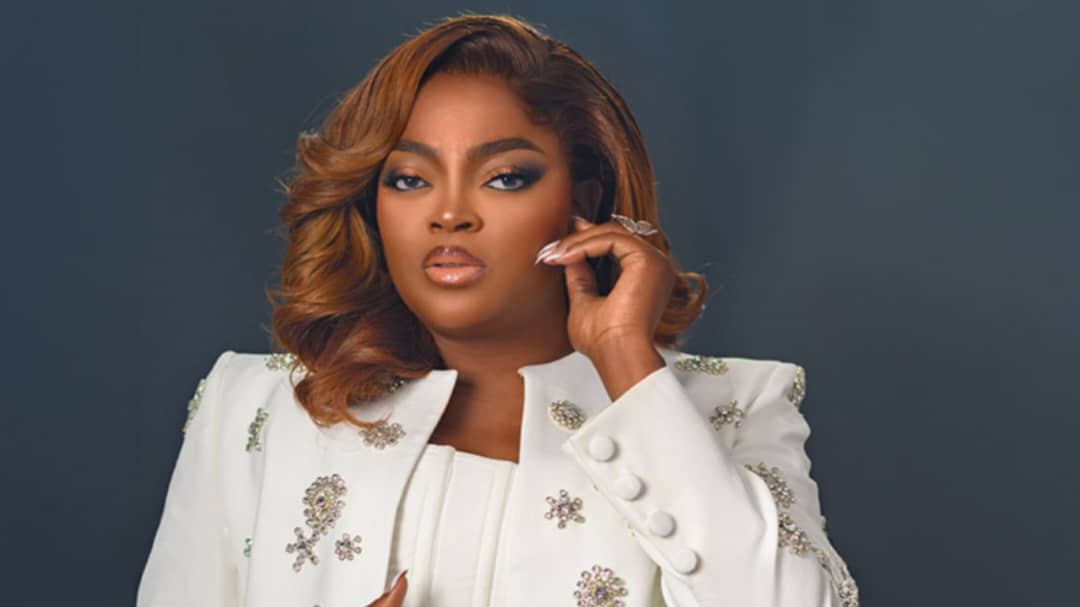
In every industry, there is a point where excellence is a target and it is pursued by all skilled artisan in that field, not just to stay relevant but to gain the recognition they deserve and for those who want to become a standard of reference to success they fight for it without a second thought.
In Nollywood today and the Nigerian movie industry as a whole, there are people associated with various personalities, catchphrases and even memes that are viral and sensational.
And while talking of peculiar individuals like that, one name rings a bell: Funke Akindele— not because she asked me to tell you this but because she has announced it— time and time again, because year after year, film after film, she has quietly and sometimes loudly — reset what success looks like in the African cinema.
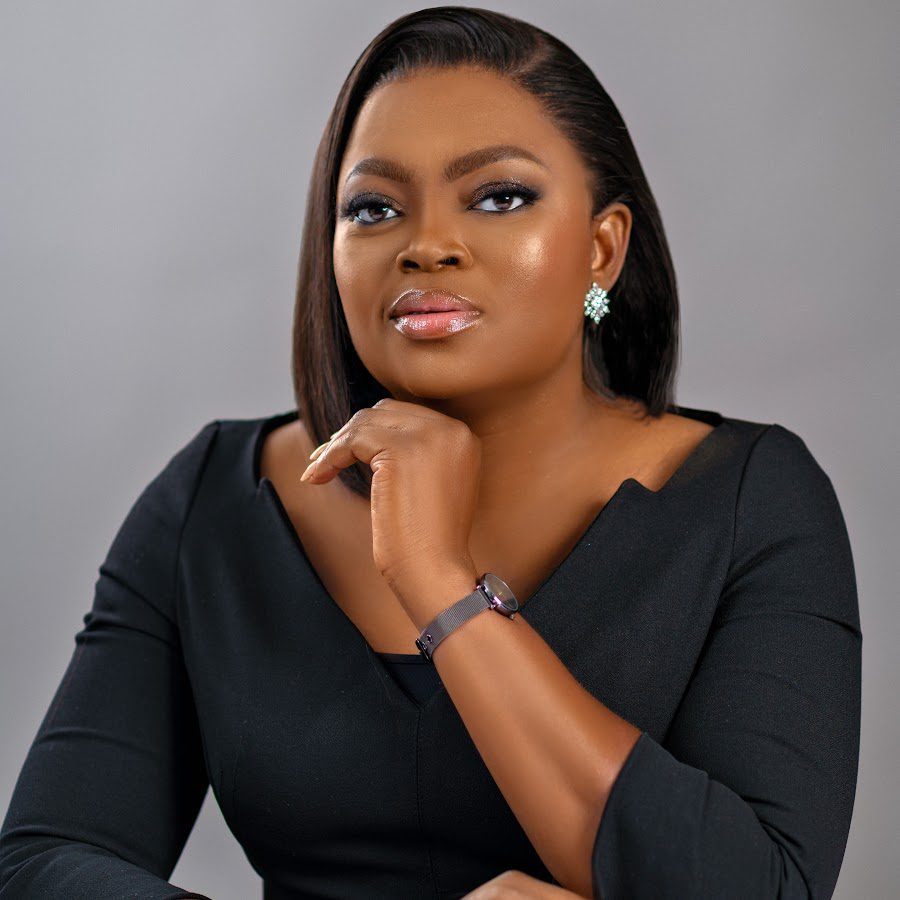
Funke Akindele is no longer just an actress. She is a system, a case study, and a measuring stick of movie success stories in Nigeria. To understand how she got here is to understand how persistence, reinvention, and deliberate work can outgrow talent alone.
From Akindele Olufunke Ayotunde to a National Icon

Funke Akindele was born on August 24, 1977, in Ikorodu, Lagos State. She is the second of four children in a modest family, raised with discipline, education, and structure — values that would later show up clearly in her career choices.
She studied Mass Communication at Moshood Abiola Polytechnic and later obtained a law degree from the University of Lagos, a detail many people forget but one that quietly explains her strategic thinking.
Her acting career did not begin with instant stardom. Like many Nollywood actors of her generation, Funke started from television, appearing in the popular United Nations Population Fund–sponsored series I Need to Know in the late 1990s. It was educational television, not glamour, but it introduced her to consistency and visibility.
Her true breakout came in 2008 with the movie Jenifa, where she played a loud, broken-English-speaking village girl navigating city life. The character was comedic, exaggerated, and deeply Nigerian and it worked.

What many people did not see at the time was that Funke was not just acting; she was studying her audience psychology and over the years she has used it for growth and publicity.

Over the years, her personal life has been lived mostly away from unnecessary public noise, despite high-profile moments and scrutiny. Through marriages, motherhood, public expectations, and private struggles, she has maintained one constant: work. Her growth has not been accidental; it has been intentional.
Funke Akindele, Nollywood, and the Art of Record-Breaking
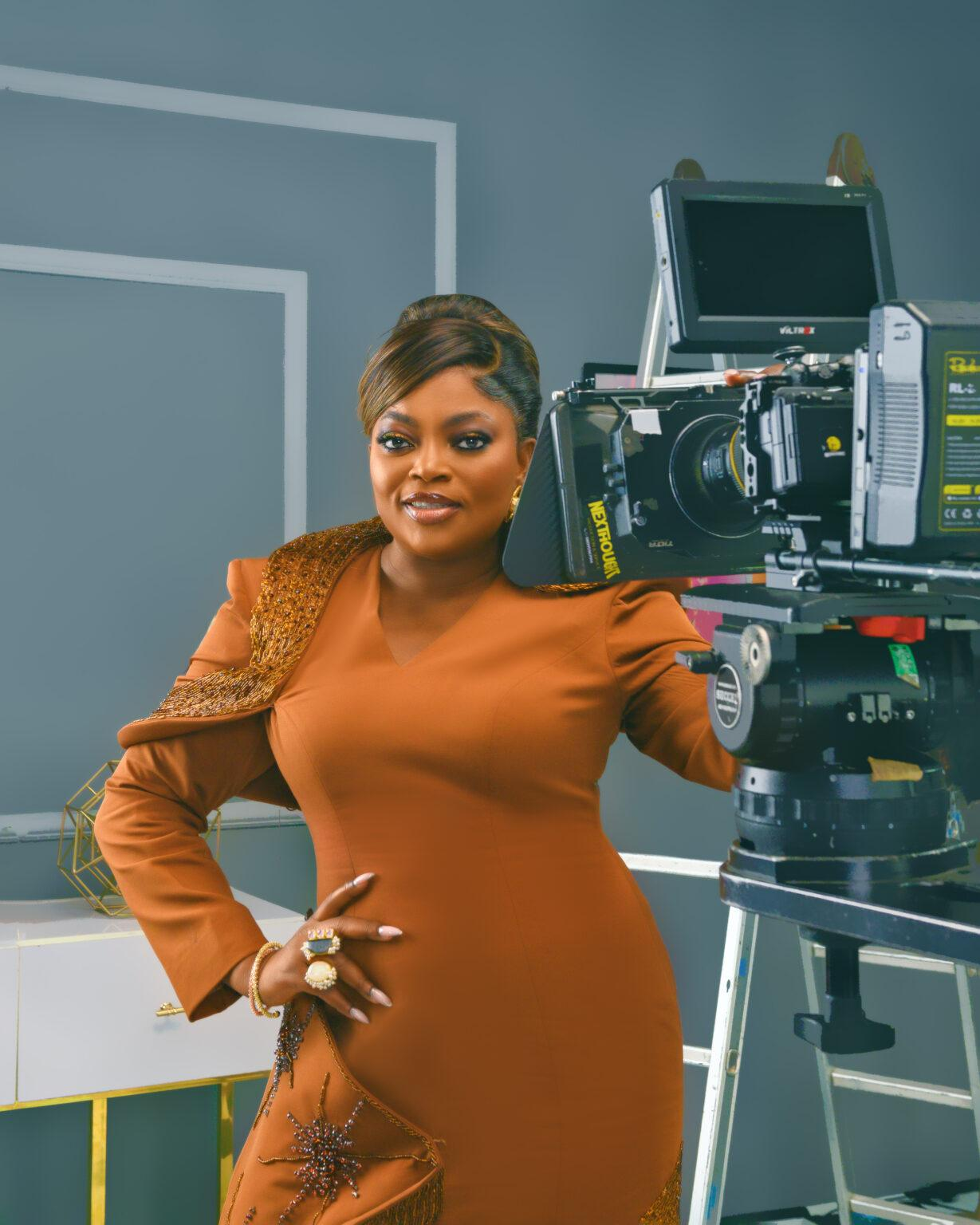
If Nollywood and the Nigerian movie industry was a football league, Funke Akindele would be the player of the year breaking her own records every season.
After Jenifa, she did something rare, she did not abandon the character. Instead, she expanded it and made Jenifa’s Diary, the television series, which became one of the most successful sitcoms in Nigerian history.
It was not just comedy; it was cultural commentary, language evolution, and social observation wrapped in humor. The show ran for years, crossed borders, and cemented Funke as a household name across age groups.
Then came the age of cinema dominance.
Omo Ghetto: The Saga shattered expectations and box office ceilings.
A Tribe Called Judah pushed her production into a new financial territory.
Battle on Buka Street, She Must Be Obeyed, Everybody Loves Jenifa, and now Behind the Scenes followed with precision and consistency.
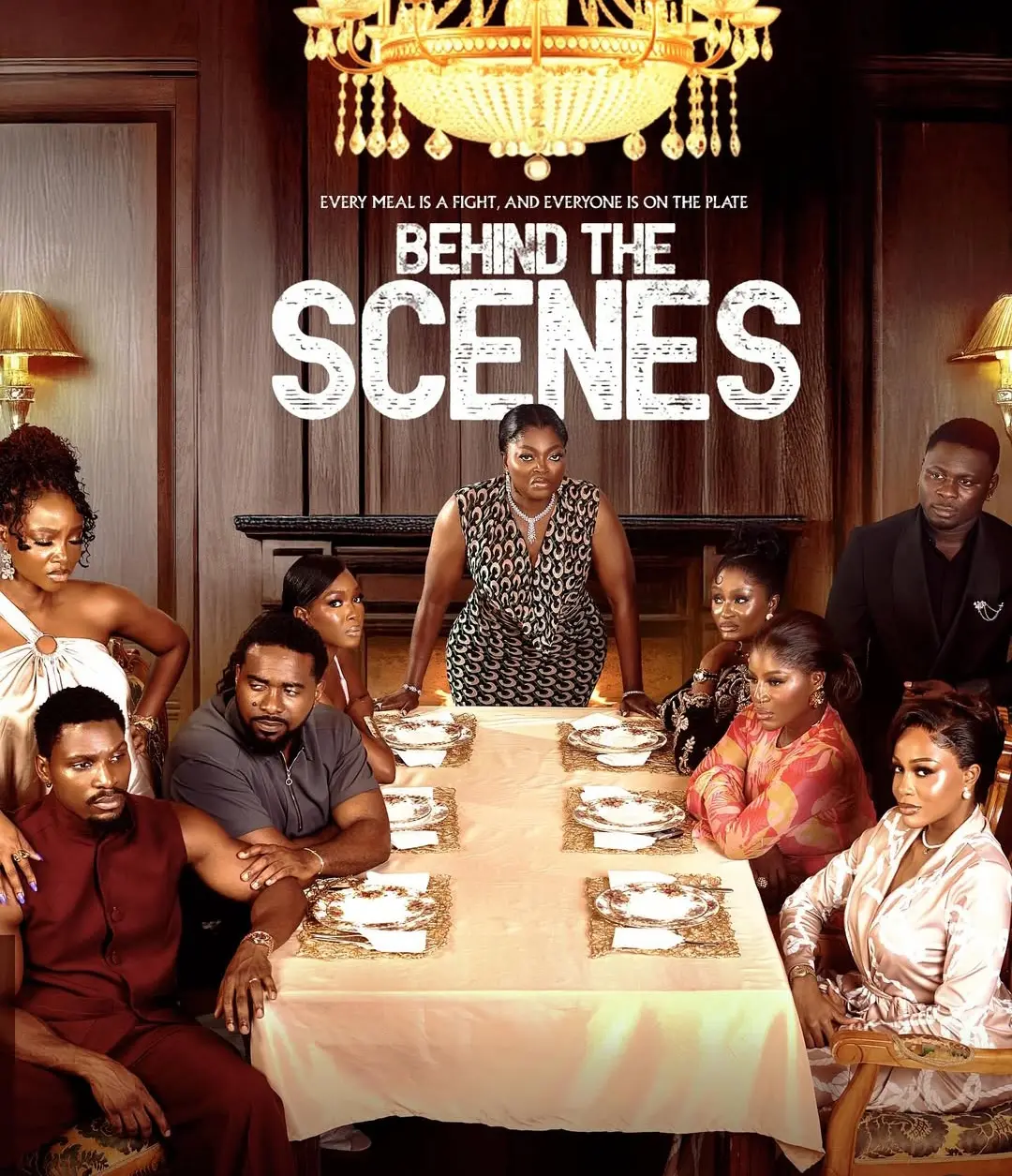
With Behind the Scenes, Funke Akindele did not just release another movie, she made history.
She currently holds titles that were once unimaginable in African cinema:
She is the highest-grossing filmmaker of all time in Africa.
She became the first filmmaker in West Africa to cross ₦2 billion at the box office.
She is the highest-grossing director, producer, and writer in Africa.
She holds the highest-grossing Nollywood title of all time in Africa, as well as in the UK and Ireland.
She is the first filmmaker to rank number one at the African box office for three consecutive years.

Beyond numbers, what stands out most is her work ethic. Funke Akindele markets her films shamelessly, interviews, skits, social media content, physical appearances, grassroots engagement. She understands that visibility is not desperation or a show of weakness, it is strategy. Nollywood did not just grow around her, she dragged it forward.
Awards, Contributions, and a Legacy Still in Motion
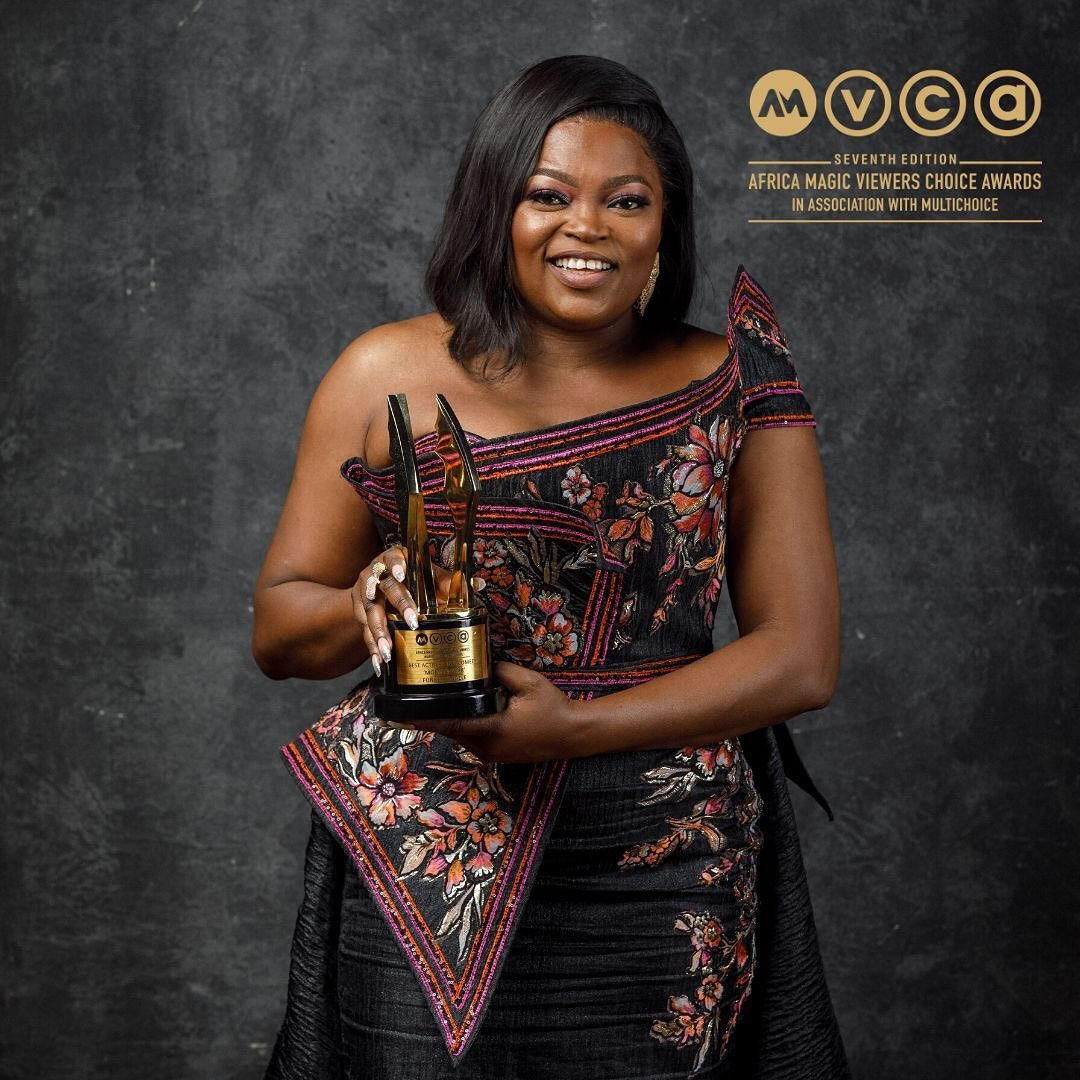
Funke Akindele’s shelf of awards is impressive, but her influence extends beyond trophies. She has won multiple Africa Magic Viewers’ Choice Awards, Best Actress awards, and recognition across Africa and the diaspora. Yet, her real contribution lies in what she has normalized.
She has normalized women being box office leaders.
She has normalized actors becoming filmmakers with control.
She has normalized commercial success without sacrificing cultural identity.
Behind the scenes — literally and figuratively — Funke has invested in talent development, production quality, storytelling depth, and industry professionalism—her sets are known for structure, her projects are known for planning and her releases are known for results.

She has also proven that reinvention is not a waste of time or futile attempt in any field. Comedy did not trap her; it actually launched her. She moves fluidly into any drama set, ensemble casts with ease, experimental formats like a children's story book, and political themes without losing her audience.
In an industry often plagued by short careers and fast fame, Funke Akindele has built something sturdier: longevity.
The Benchmark and the Takeaway
Funke Akindele’s story is not about luck. It is about discipline showing up daily and refusing to be embarrassed by ambition. It is about understanding your audience while still growing beyond them. It is about knowing when to evolve, when to double down, and when to take control of your narrative.
The takeaway is simple but uncomfortable: talent will open the door, but consistency will own the building and those who are not consistent will phase out.
Funke Akindele is no longer chasing relevance. She is defining it and as nollywood continues to grow, new stars will definitely emerge, and records will eventually be broken — but there will always be a before and after her.
And that is how benchmarks are made.