FG To Seek Compensation For Returning Nigerians From South Africa
Following anti-immigrant protests in South Africa, Nigeria is seeking compensation for citizens who lost businesses and property. The move highlights concerns over migrant safety, justice, and xenophobia.
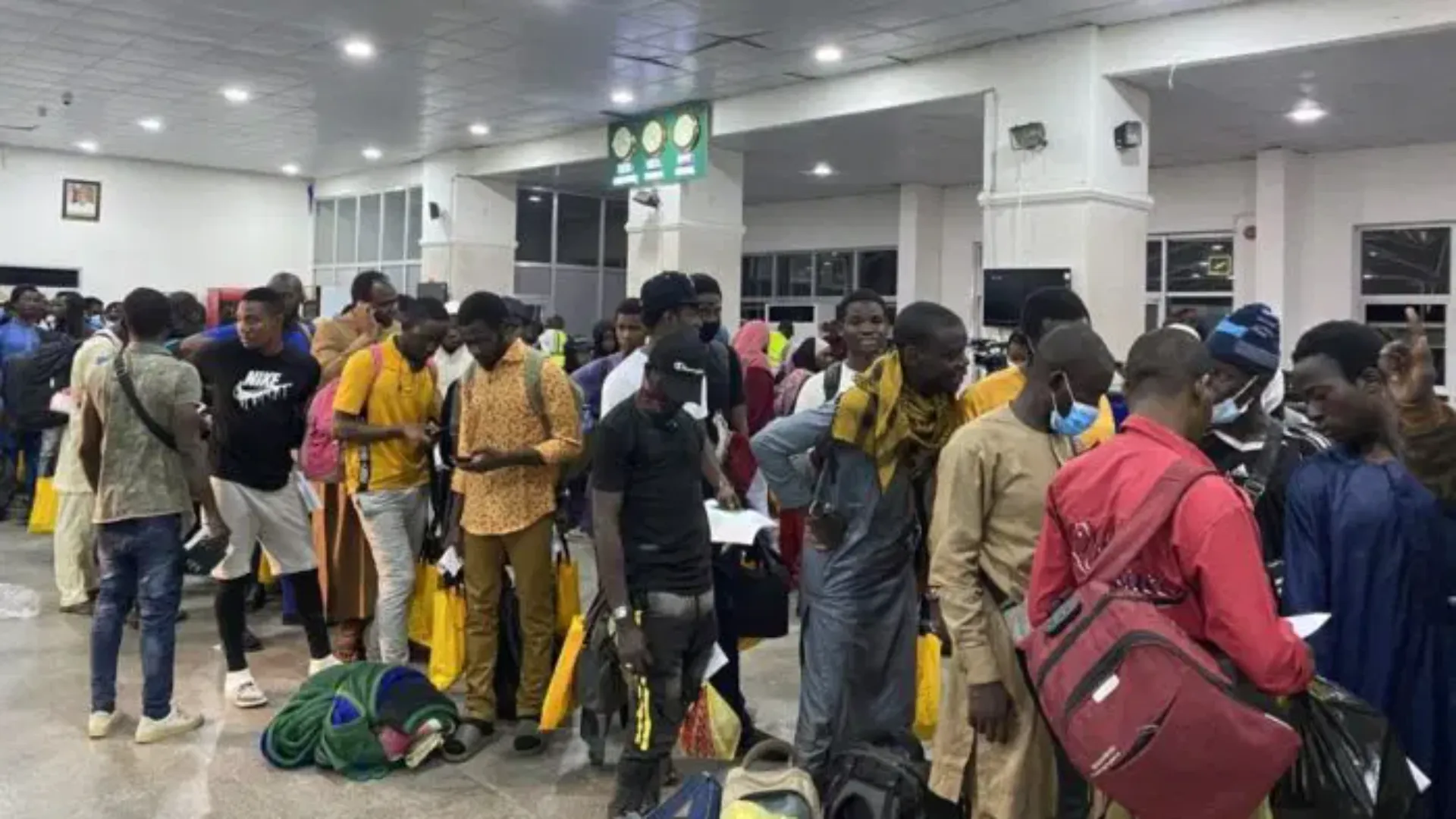
The Nigerian government will engage with the South African government to seek compensation for Nigerians forced to leave behind businesses and properties amid anti-immigrant protests in the country due to recent anti-immigrant protests in South Africa.
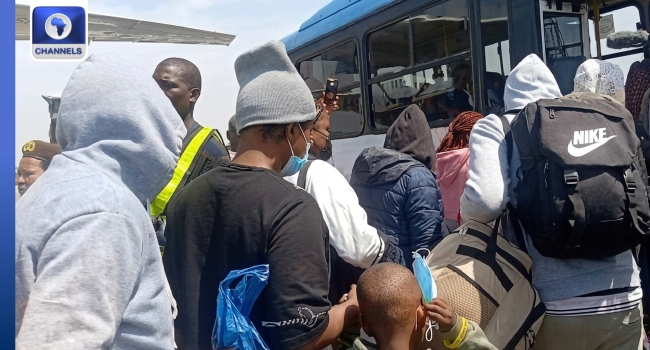
The Acting Nigerian High Commissioner to South Africa, Alexander Ajayi, disclosed this on June 30, during an appearance on Channels Television’s The Morning Brief, as another batch of Nigerians was expected to arrive in Lagos from South Africa under the Federal Government’s ongoing voluntary evacuation programme.
He said that the government is documenting affected properties and investments to support discussions with South African authorities.
According to Ajayi, the affected Nigerians are part of a voluntary evacuation programme launched ahead of planned anti-immigrant demonstrations.
He said the government would work with South African officials to verify the locations and value of abandoned assets before pursuing possible compensation.
The move highlights the government's commitment to protecting the interests of its citizens abroad and ensuring that those who suffered losses receive justice.
Impact of Anti-Immigrant Protests on Nigerians
The recent anti-immigrant protests in South Africa, which began escalating in April 2026 and intensified ahead of the nationwide demonstrations scheduled for June 30, 2026, created an atmosphere of fear, uncertainty, and insecurity for many foreign nationals, including Nigerians.
As tensions grew, numerous business owners, traders, and workers were compelled to abandon their shops, homes, and investments in search of safety.
Years of hard work, sacrifice, and financial commitment were suddenly placed at risk, leaving many families facing an uncertain future.
Beyond the economic losses, the protests have also taken an emotional toll on those affected. Many returnees have been forced to start over after leaving behind the lives they painstakingly built abroad.
The situation has reignited concerns about the safety and welfare of Nigerians living and working overseas, while drawing attention to the persistent challenge of xenophobia and its effects on social harmony, economic stability, and international relations.

Government’s Efforts to Document Losses
In response to the plight of affected citizens, the Nigerian government has begun a comprehensive process of gathering information on properties, businesses, and investments abandoned by returning Nigerians.
Diaspora Connect
Stay Connected to Home
From Lagos to London, Accra to Atlanta - We Cover It All.
Officials are working to compile detailed records of damaged or deserted assets, ensuring that every verified loss is properly accounted for.
This documentation exercise is expected to provide a clear picture of the economic impact of the protests on Nigerian nationals.
According to Nigeria's Acting High Commissioner to South Africa, Alexander Ajayi, the government is identifying and documenting the locations and value of properties left behind by returnees.
He explained that this information will be used in discussions with South African authorities as Nigeria seeks compensation for citizens who suffered losses.
Ajayi stressed that the process is necessary to establish credible evidence and accurately assess the extent of the damage incurred by affected Nigerians.

The proper and accurate documentation will strengthen the government's position when engaging South African authorities on the issue of compensation.
Beyond serving as evidence of the losses incurred, the records will also help determine the value of affected businesses and properties.
For many returnees, this effort represents a crucial first step toward seeking justice and recovering at least part of what was lost during the unrest.
By carefully documenting these cases, the government hopes to ensure that the voices and experiences of affected Nigerians are not overlooked.

Strengthening Diplomatic Engagement
The compensation effort is expected to involve extensive diplomatic discussions between Nigeria and South Africa, as both countries seek a constructive way forward following the recent anti-immigrant protests.
While financial compensation for affected Nigerians remains a key objective, the broader conversation is likely to focus on safeguarding the rights and welfare of foreign nationals living and working in South Africa.
The issue has highlighted the need for stronger mechanisms to protect migrants from discrimination, violence, and economic displacement.
Beyond seeking redress for losses, the talks may also explore measures to prevent future outbreaks of xenophobia and promote peaceful coexistence among diverse communities. Nigerian and South African officials will likely work towards strengthening bilateral cooperation, improving communication channels, and addressing concerns that have repeatedly strained relations between citizens of both nations.
As Africa's two largest economies, both countries have much to gain from maintaining a strong partnership built on mutual respect and shared interests.
Diaspora Connect
Stay Connected to Home
From Lagos to London, Accra to Atlanta - We Cover It All.
Ultimately, sustained diplomatic engagement remains essential not only for resolving the immediate concerns of affected Nigerians but also for preserving the longstanding ties between the two nations.
Through dialogue and cooperation, both governments can help restore confidence, protect vulnerable communities, and foster a more inclusive environment for all residents, regardless of nationality.
Conclusion
The Federal Government's decision to pursue compensation for returning Nigerians reflects a commitment to safeguarding the rights and interests of its citizens.
While the process may require extensive documentation and diplomatic negotiations, it offers hope to those who suffered significant losses as a result of the anti-immigrant protests in South Africa.
The development also underscores the need for stronger measures to protect migrants, combat xenophobia, and promote peaceful coexistence in host countries.
In his remarks, Nigeria's Acting High Commissioner to South Africa, Alexander Ajayi, emphasized that the government is determined to ensure that the losses suffered by affected Nigerians are properly documented and presented to the relevant authorities.
He expressed confidence that through dialogue and established diplomatic channels, both countries could address the concerns arising from the protests while preserving their longstanding bilateral relationship.
Ajayi maintained that the welfare of Nigerian citizens remains a priority and that every legitimate effort would be made to seek justice and appropriate compensation for those affected.
Ultimately, the situation serves as a reminder of the importance of protecting the rights and dignity of migrants wherever they reside.