Six Years for Toby Obumseli's Killing: What Does Justice Look Like for Africans in the Diaspora?
Toby Obumseli's killing and Courtney Clenney's six-year sentence raise difficult questions about justice, race, and how African victims are treated in the diaspora.
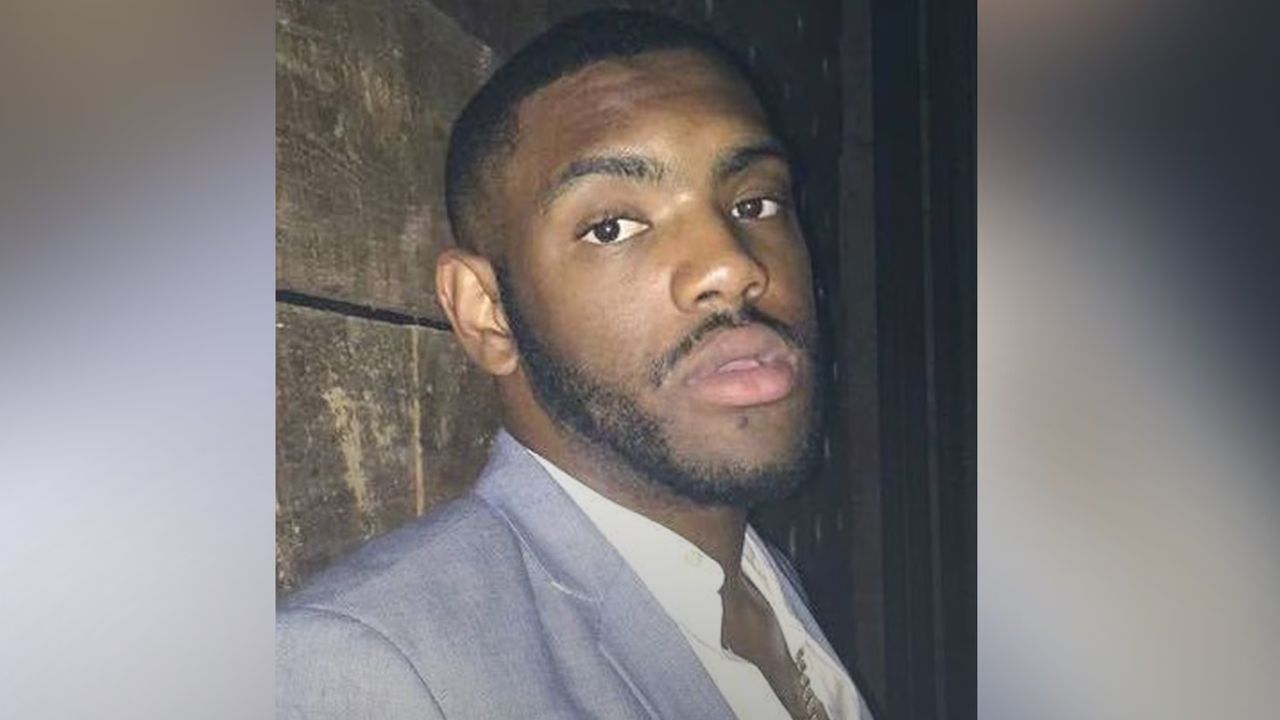
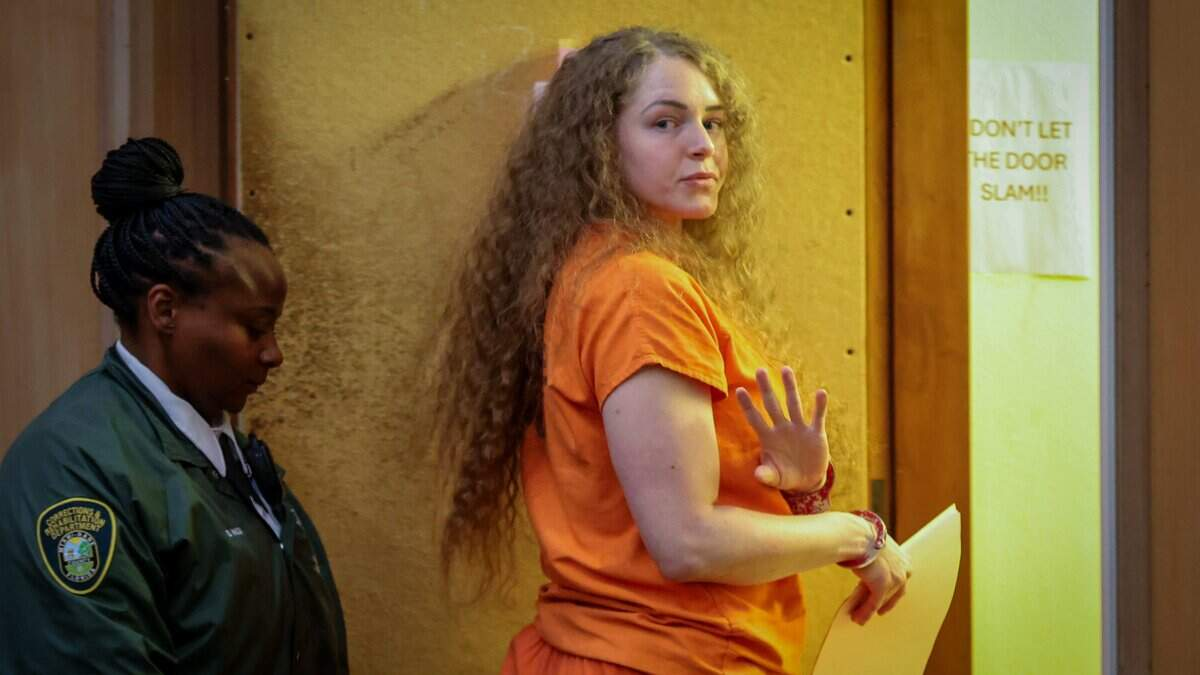
Christian "Toby" Obumseli was 27 when he was stabbed to death in a Miami apartment in April 2022. More than four years later, the woman who killed him, Courtney Clenney, walked into a courtroom, pleaded guilty to manslaughter with a deadly weapon, and received six years in prison.
With regard for time already served, she is expected to spend roughly two more years behind bars before beginning five years of probation.
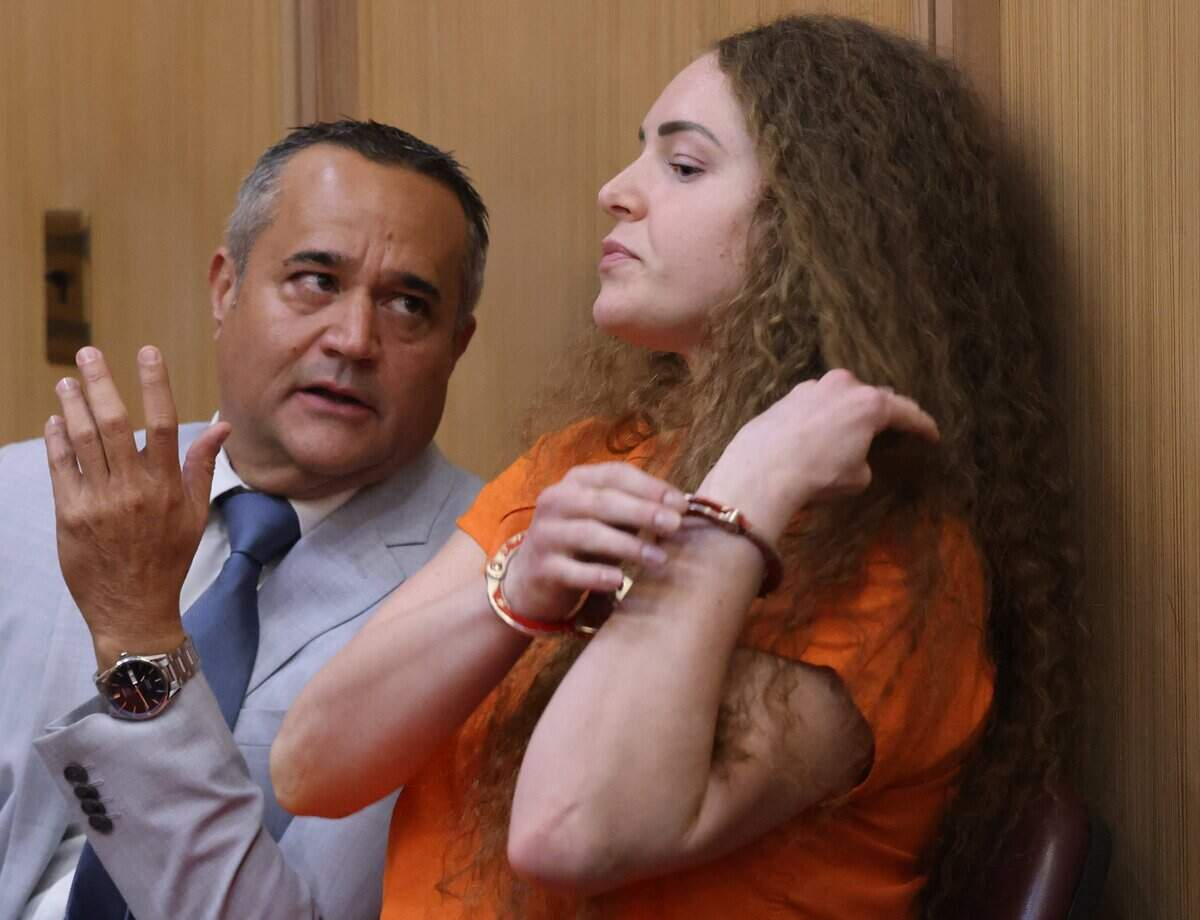
For a case that once carried the weight of a second degree murder charge and a possible sentence of up to 30 years, the outcome has ignited questions and a hard conversation: what does justice actually look like when the victim is African, and the accused is not?
The Case That Reignited a Global Conversation
Obumseli was a Nigerian cryptocurrency trader. He met Clenney in Miami. Prosecutors described their relationship as volatile and in it were constant domestic violence incidents.
Some of these incidents were captured on surveillance footage and showed Clenney as the aggressor. On the night he died, Clenney told police she threw a kitchen knife at Obumseli from about ten feet away in self defense.
The medical examiner disagreed and ruled the death as a homicide, noting that the downward angle of the three inch wound to his shoulder did not match her account. She was not arrested that night as the Miami police let her go.
She was later spotted having drinks with her father at a hotel bar days after his death. It took four months and public pressure from Obumseli's family before she was charged.
Manslaughter Instead of Murder: How the Plea Deal Was Reached
Clenney's plea agreement replaced the original second degree murder charge with manslaughter with a deadly weapon. This is a significantly lesser offense under Florida law.
The Miami-Dade State Attorney's office has said the deal was reached with the full consultation and approval of Obumseli's family, who wanted closure after four years of delays. Legally, the six year sentence sits within Florida's standard sentencing guidelines for manslaughter.
The legal correctness makes the case so uncomfortable. A sentence can be procedurally sound and still read, to many observers, as evidence of a system that values some lives and identities more cautiously than others.
Comparisons have already surfaced online between Clenney's outcome and far harsher sentences handed to Black defendants in Florida and elsewhere for cases involving self defense claims or far less severe harm.
No two cases are identical, and stacking them side by side risks oversimplifying complex legal facts. However, the instinct to compare is not irrational.
It reflects a pattern that African and Black communities in the diaspora have tracked for decades. They have noticed that proximity to whiteness, wealth, and social media fame appears to soften the machinery of American criminal justice.
If the Roles Were Reversed: A Thought Experiment
Diaspora Connect
Stay Connected to Home
From Lagos to London, Accra to Atlanta - We Cover It All.
Let’s do a quick reverse in identities. Imagine a Nigerian man stabbing his white, American girlfriend, a woman with millions of social media followers, inside their shared apartment.
Imagine him telling police he acted in self defense, having thrown the knife from across the room. It is difficult to construct a version of that scenario where police would release him the same night, where he is photographed drinking casually with family days later, or where a plea deal eventually reduces his exposure from a possible 30 year sentence to roughly two remaining years in custody.
This is no claim that Clenney's final sentence was engineered by malice but rather an observation about how risk, credibility, and sympathy are distributed unevenly along racial lines and in ways that shape charging decisions, bail conditions, media framing, and jury long before a verdict is reached.
For African families watching a case like this unfold from African cities or the diaspora communities, the pattern is a confirmation.
Africans in the Diaspora and the Cost of Invisible Justice
Toby Obumseli's death shows the vulnerability of African immigrants and their families when they become victims, not perpetrators, of violent crime abroad. Diaspora Africans often lack the institutional capital, legal networks, and media visibility that can pressure a justice system into moving quickly or taking a case seriously.
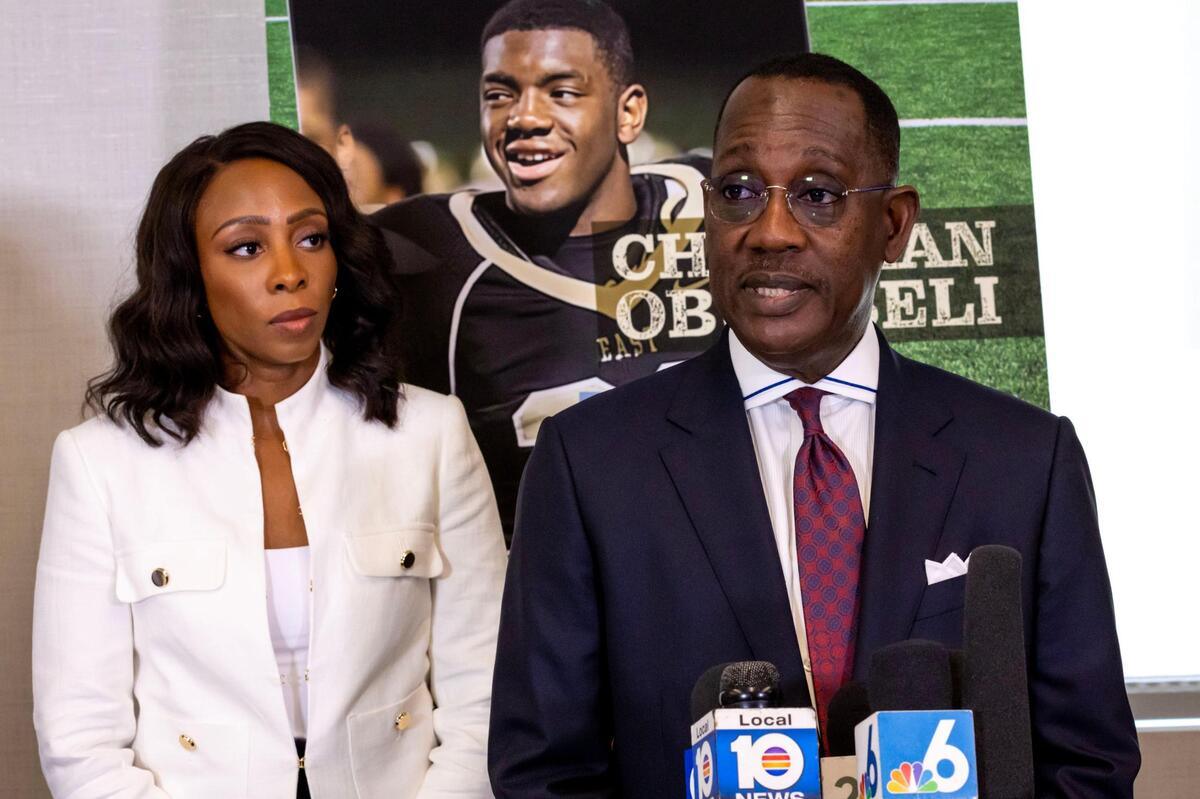

Obumseli's family had to hire private legal counsel, speak publicly, and sustain pressure for months just to secure an arrest.
Justice for Africans abroad frequently depends less on the strength of evidence and more on a family's capacity to make noise. That is not justice.
What Accountability Should Look Like Going Forward
A six year sentence, with time served counted in, closes a legal file. It does not close the argument about equity in how violent death is prosecuted when the victim is African.
Real accountability would mean charging decisions that do not hinge on a suspect's social capital, arrest timelines that do not stretch for months while a family campaigns for basic action, and sentencing outcomes that hold up under comparison, not just under statute.
Toby Obumseli's case will fade from the headlines. The question it raises about what justice costs, and who gets to access it fully, will not.