FashionLore: The Story Behind White Garments in Some Nigerian Churches
The story behind white garments in Nigeria’s Celestial and Cherubim and Seraphim churches, and how Yoruba spirituality, Christianity and the Aladura movement shaped their meaning.
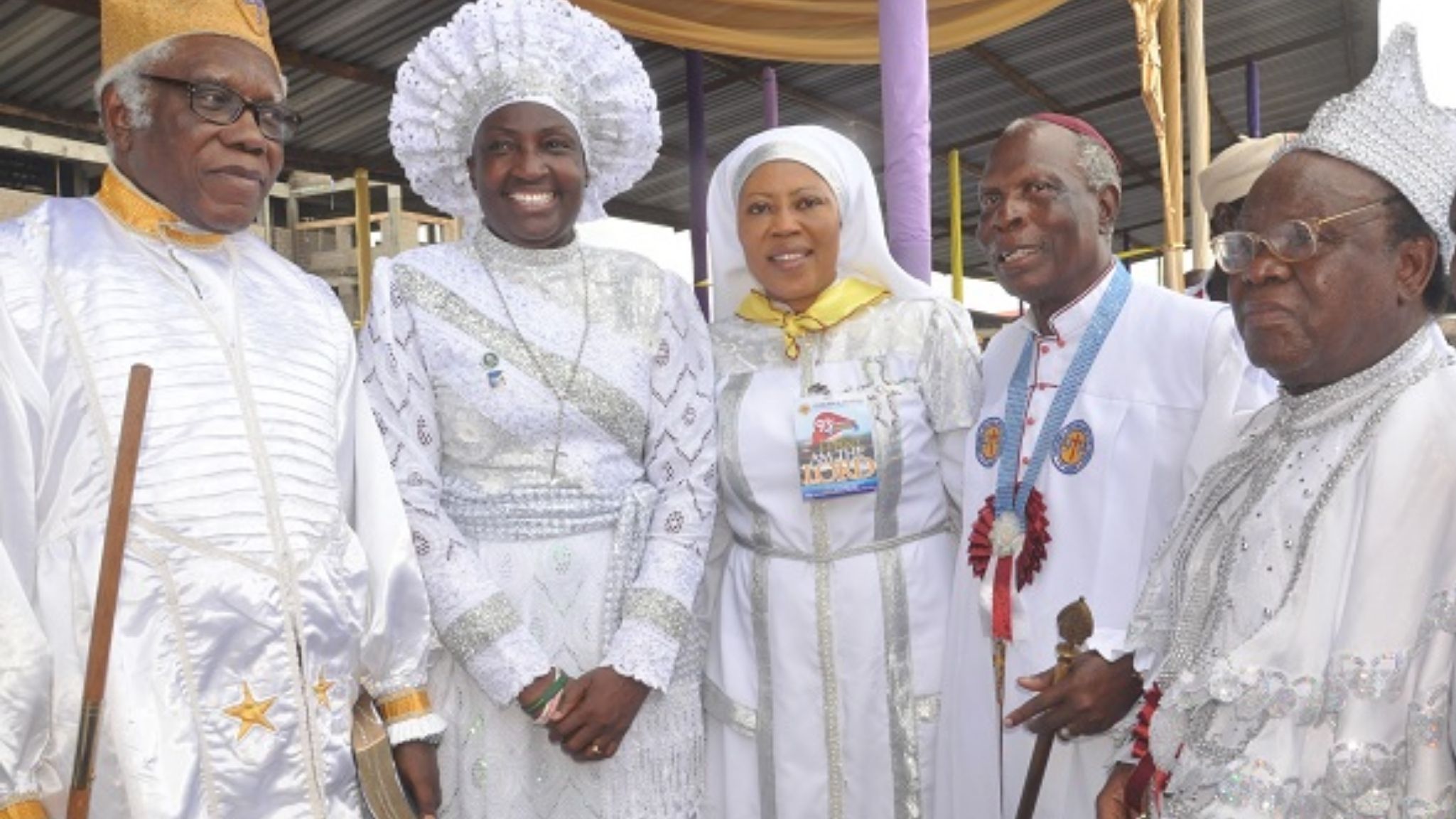
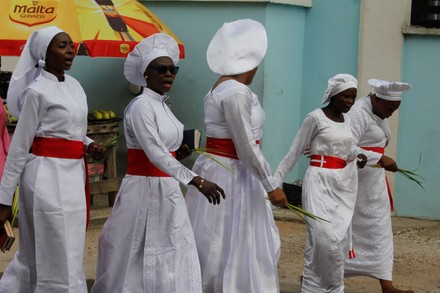
On a random Sunday, it is easy to spot worshippers in flowing, seamless white robes, feet bare against the ground, on the streets of Nigerian cities, especially in South-Western region. They usually belong to the Celestial Church or the Cherubim and Seraphim Church.
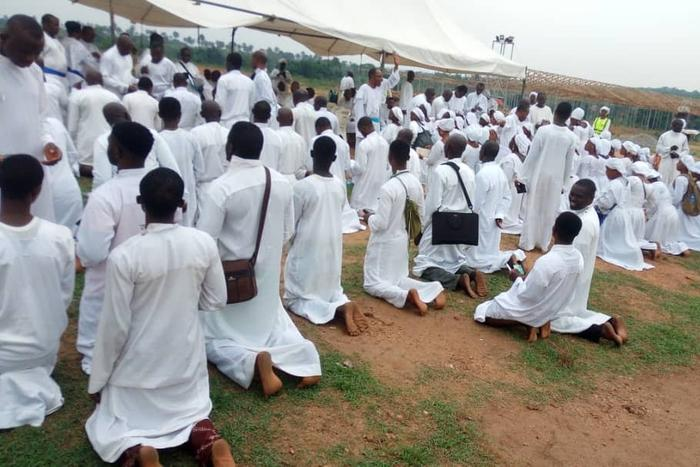
To an outsider, it might read as just aesthetic. To the millions who belong to these white garment churches in Nigeria, it is doctrine stitched into cloth, and the story behind it stretches back a century into the religious upheaval of colonial Yoruba land.
What Is the Aladura Movement
Both churches belong to what scholars call theAladura movement that translates to "the praying people."
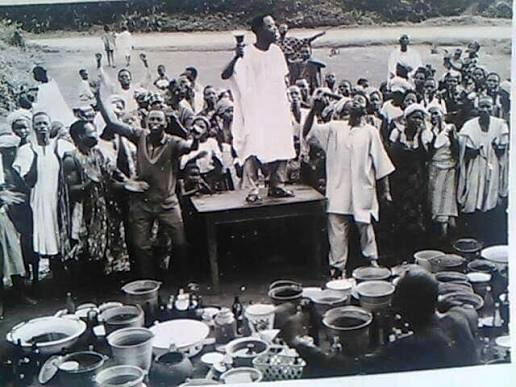
Aladura churches emerged in the 1920s as a break from the mission Christianity brought by British and other European missionaries.
Members of these new fellowships wanted a faith that prayed for healing directly. They took visions and trances seriously, and generally believed that faith shouldn’t require abandoning every element of indigenous spiritual sensibility to be considered properly Christian.
Out of that came two of the most recognisable white garment churches in West Africa: the Eternal Sacred Order of the Cherubim and Seraphim, and later, the Celestial Church of Christ.

The Founding of Cherubim and Seraphim Church
In 1925, a young Lagos woman named Christiana Abiodun Akinsowon fell into a long trance after watching a Catholic procession. A revivalist preacher named Moses Orimolade Tunolase, already known around Lagos for his prayer ministry, was called to intervene.

Akinsowon eventually woke, and the two went on to lead prayer meetings together, first informally, then as a growing spiritual band.
Orimolade named the fellowshipthe Seraph Society after a heavenly being he said had appeared to him, and within a year a further spiritual instruction added Cherubim to the name, honouring the angelic orders described in scripture.
By 1929, disagreements over leadership and the role of women split the movement and Akinsowon founded her own Cherubim and Seraphim Society and Orimolade retaining the original order.
But the white garment tradition that both branches furthered traces back to that founding period, when members apparently styled themselves after the heavenly beings whose name they had taken.
If you are claiming to reflect the cherubim and seraphim of scripture, robed in radiant light before the throne of God, white is the theology made visible.

Samuel Oshoffa and the Origin of the Celestial Church of Christ
The Celestial Church of Christ has a separate origin story, though it grew from the same foundation. Samuel Bilewu Joseph Oshoffa was a carpenter and timber trader from Porto-Novo.
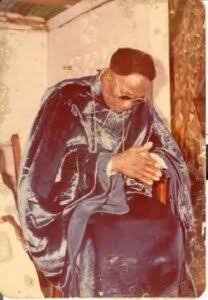
He disappeared into the forest in May 1947 while searching for ebony wood. He resurfaced months later, and told his community he had wandered the wilderness, survived on wild fruit, and received a divine calling to heal and to prophesy.
On the 29th of September that year, he said a winged angel appeared to him bathed in light and instructed him to found a new church. Out of that encounter came the Celestial Church of Christ, now one of the largest white garment denominations in the world.
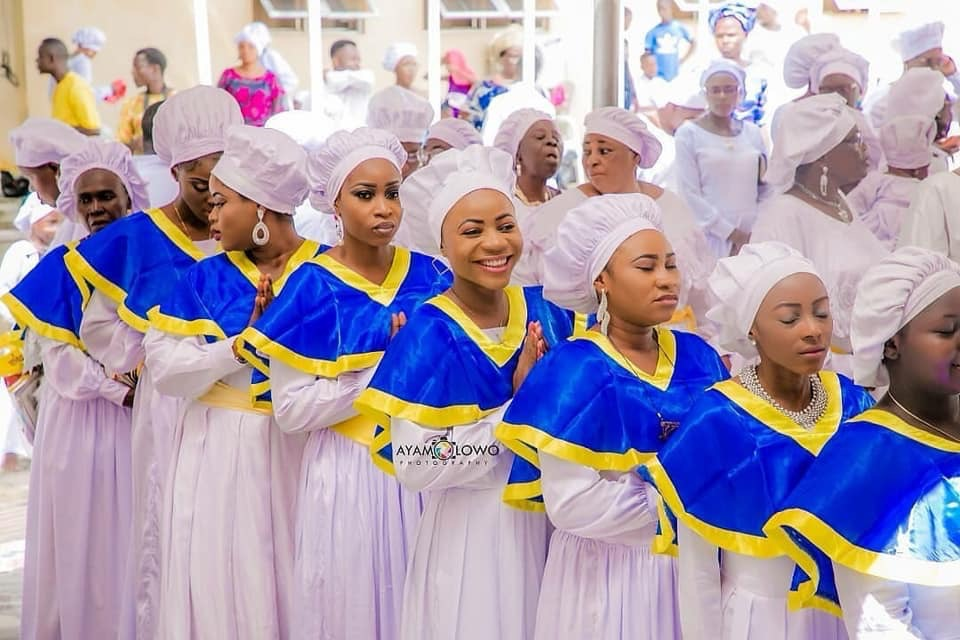
Why Celestial Church Members Wear White (Sutana)

Oshoffa gave his own account, in a recorded interview, of how the garment itself came about. He said he was not naturally inclined to wear it. He had been invited to a member's naming ceremony, and it was there that he first put on the white cloth and walked in without shoes.
By his own telling, he felt embarrassed.
He was a known man in his community, and the idea of appearing barefoot and robed in white in public unsettled him. But he said the instruction had come from the Holy Spirit, and that he obeyed it despite the discomfort.
He also maintained that he had never trained as a tailor, yet the specific design of the garment, the sutana as members call it, was revealed to him in a vision rather than learned by hand.
The Symbolism of White in Yoruba Spirituality and Christianity
The symbolism runs deep. White, in Yoruba spiritual culture, already carried associations with purity and with orisa such as Obatala long before Christianity arrived. Aladura founders were not inventing meaning from nothing.
They were channeling an existing cultural language of white cloth as sacred and untainted, and folding it into a new Christian framework where the garment represents the righteousness of Christ and a clean break from sin.
Going barefoot echoes the biblical instruction to Moses to remove his sandals on holy ground, treating the church floor itself as consecrated space.
A Garment That Levels Social Class
There is also a social dimension that often goes unremarked. A single-piece white garment, worn by everyone from the pastor to the newest convert, flattens the usual markers of wealth and status that clothing tends to broadcast.
In congregations that drew heavily from ordinary Lagos traders, artisans, and labourers, that leveling mirrored the movement's broader appeal to people who felt overlooked by the more formal, foreign-styled mission churches of the era.
The White Garment Church Legacy Today
Nearly a century on, the white garment has outlived its founders and their disputes over succession.
It remains one of the clearest examples of how Nigerian Christianity has always reworked them, and the cloth on a Celestial or Cherubim and Seraphim worshipper's back still carries that history every time it is worn.