Farage's Reform UK Jolts Establishment as Historic Gains Trigger Racism Fears
The recent local elections have dramatically reshaped British politics, ending Labour dominance in key areas like Birmingham and Tameside and propelling Reform UK into significant local power. This shift has ignited widespread anxiety among minority communities over potential hostile rhetoric and has been met with both condemnation and calls for unity from anti-racism campaigners. The landscape is further complicated by controversies, including a debate sparked by Southbank Centre chairman Misan Harriman's comments regarding Reform voters.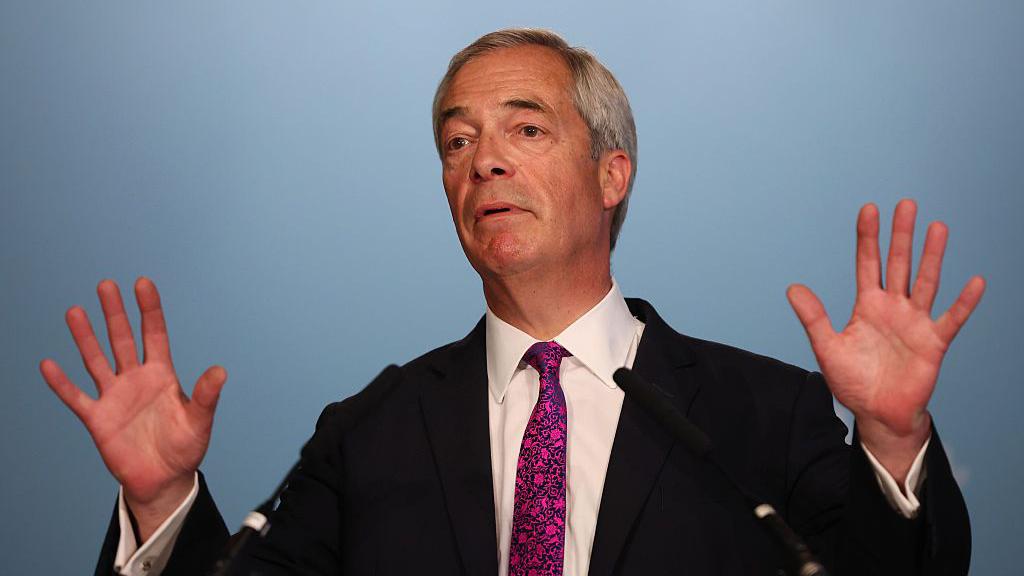
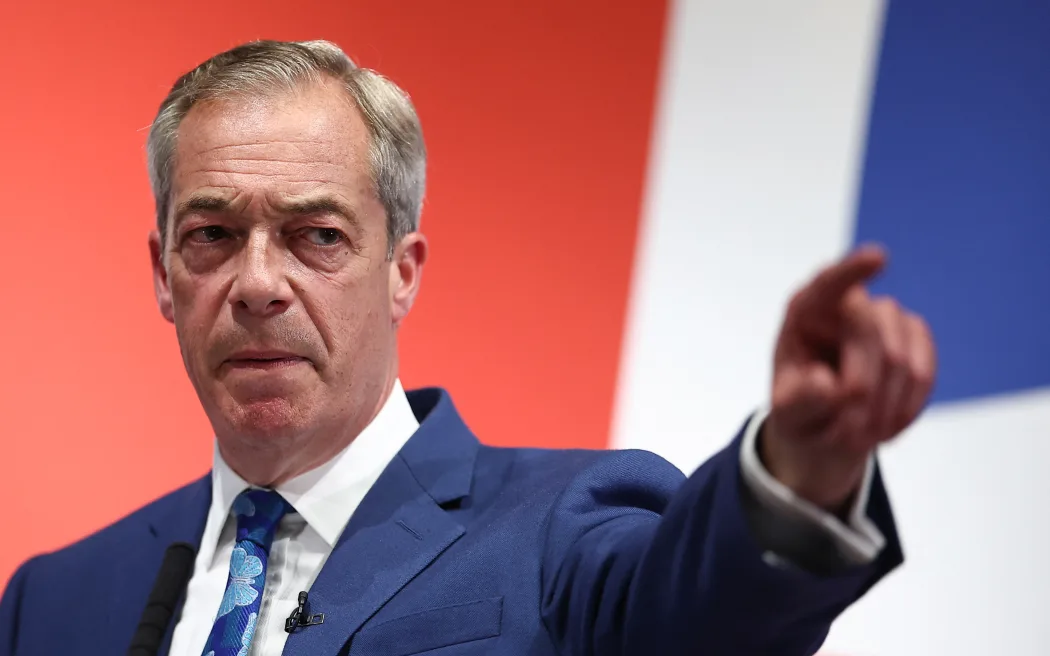
Nigel Farage’s Reform UK has sent shockwaves through British politics after recording major gains in local elections across England, Wales, and Scotland, sparking growing fears among minority communities about the future political climate in the country.
In Birmingham, Labour’s 14-year control of the city council collapsed after Reform UK emerged as the largest party, securing 22 councillors, according to results published byBirmingham City Council. Nationally, Labour reportedly lost more than 1,400 councillors across England while also surrendering power in Wales for the first time in decades.
Nigel Farage described the results as a “truly historic shift” in comments reported byBBC Politics, as Reform UK continued expanding its political influence nationwide.
The election outcome has heightened anxiety among many minority groups. Speaking after the results, members of anti-racism organisations warned that Reform’s rise could intensify hostility toward Black, brown, migrant, and Muslim communities across Britain.
Shaista Gohir, chair of the Muslim Women’s Network, expressed concerns over increasing anti-Muslim rhetoric and growing fears about safety and inclusion.
Similar worries were echoed by anti-racism campaigners in Oxford and Glasgow, where activists said many people now feel deeply unsettled by the changing political atmosphere.
Further controversy erupted after a newly elected Reform councillor in Sunderland was suspended following revelations of alleged racist remarks targeting Nigerians, uncovered byHope Not Hate. The incident intensified scrutiny around extremism and rhetoric within parts of the party’s support base.
In Scotland, Reform UK secured 17 parliamentary seats, matching Labour’s total and marking another dramatic breakthrough.
Campaigners including refugee rights advocates warned that the country had entered a dangerous new political phase where racism risks becoming increasingly normalised within mainstream discourse.
The elections have also triggered political instability in several councils. In Tameside, Reform UK ended 47 years of Labour dominance, forcing local leaders into difficult coalition discussions and raising uncertainty over major development projects and local governance plans.
Adding to the heated debate, photographer and activist Misan Harriman faced backlash after comments referencing historical lessons about the rise of extremist politics were interpreted by critics as comparing Reform voters to Nazi supporters.
His remarks drew condemnation from political figures and Holocaust education groups, who argued that such comparisons were inflammatory and inappropriate.
Despite the mounting tensions, anti-racism groups across the UK insist they will continue organising against division and discrimination. Campaigners say the election results should serve as a warning about the growing influence of populist politics and the urgent need to protect community cohesion and democratic values.