Ebola Crisis Grips Congo-Kinshasa: Uganda Halts Flights Amid Hospital Violence
Uganda has implemented strict emergency measures, including flight and border transport suspensions, after confirming two imported Ebola cases linked to the DR Congo outbreak. These actions, informed by past epidemic lessons, aim to prevent a repeat of response delays, while DR Congo faces challenges like public unrest and attacks on health facilities amidst its own escalating crisis.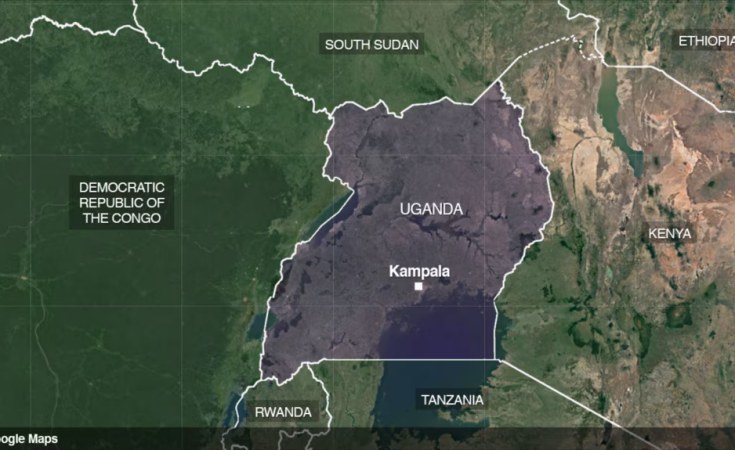
Uganda has taken swift, stringent measures to prevent an Ebola epidemic, suspending flights, border transport, and weekly markets in high-risk border districts. This decisive action follows the confirmation of two imported Ebola cases linked to the ongoing outbreak in eastern Democratic Republic of Congo (DRC). The Permanent Secretary in the Ministry of Health, Dr. Diana Atwine, detailed these emergency protocols, including the suspension of weekly markets in high-risk border sub-counties for 40 weeks, and the halting of flights between DRC and Uganda within 48 hours. Border security patrols are also being enhanced to curb unnecessary cross-border movements.
Furthermore, public passenger transport on ferries operating on the Semliki River, along with cross-border bus and other public transport between Uganda and DR Congo, has been suspended for four weeks, with only goods and food transport exempted. Dr. Atwine stressed that all Ugandans, irrespective of their location, must adhere to standard operating procedures (SOPs), extending these guidelines to non-weekly markets, schools, prisons, hotels, and places of worship across all border districts and the wider country. She clarified that while imported cases have been confirmed, there are no reported indigenous cases of Ebola in Uganda, and an individual receiving treatment has tested negative and is awaiting recovery and discharge.
The immediate trigger for these heightened precautions was the confirmation of an imported Ebola case involving a Congolese national who tragically died at Kibuli Hospital after travelling into Uganda. Health officials, upon DRC's official declaration of an Ebola outbreak, tested samples from the deceased, confirming the virulent Ebola Bundibugyo strain. A relative who had contact with the deceased was isolated but subsequently tested negative. These measures are critically informed by lessons learned from Uganda's 2022-2023 Ebola outbreak in Mubende, where delayed containment contributed to over 30 fatalities, prompting President Museveni to swiftly cancel this year's Martyrs Day celebrations to reduce transmission risks.
The broader international community's concern escalated after an American doctor working in DR Congo's Ituri region tested positive for the haemorrhagic fever and was airlifted to Germany. This led the World Health Organisation (WHO) to declare the outbreak an international public health emergency. The situation in eastern DR Congo is further complicated by public distrust and misinformation. In a distressing incident, an angry crowd attacked and partially burned sections of Rwampara General Hospital after relatives and supporters of a young man, believed to have died from Ebola, were prevented from removing his highly infectious body for burial. Protesters, many reportedly doubting the existence of the virus, hurled stones and set fire to Ebola isolation tents. Police intervened, firing warning shots to disperse the chaotic crowd, underscoring the critical need for safe burial practices to prevent further spread. The WHO reported approximately 139 deaths out of 600 suspected Ebola cases in DR Congo, emphasizing the severe impact of the virus.
This comprehensive response by Ugandan authorities, coupled with the ongoing challenges and volatile public reactions in DR Congo, highlights the complex and urgent nature of controlling the Ebola outbreak. The focus remains on strict adherence to health protocols and robust border controls to safeguard public health and prevent a wider regional crisis.