Ebola Threat Looms: Nigeria on High Alert as Regional Crisis Deepens
Nigeria has activated robust precautionary measures against the Ebola Virus Disease (EVD) outbreak in the Democratic Republic of Congo and Uganda, where the World Health Organisation has declared a Public Health Emergency of International Concern. With no approved vaccine for the current Bundibugyo strain, global and national efforts focus on enhanced surveillance, rapid response, and community engagement amidst challenging conditions in affected regions.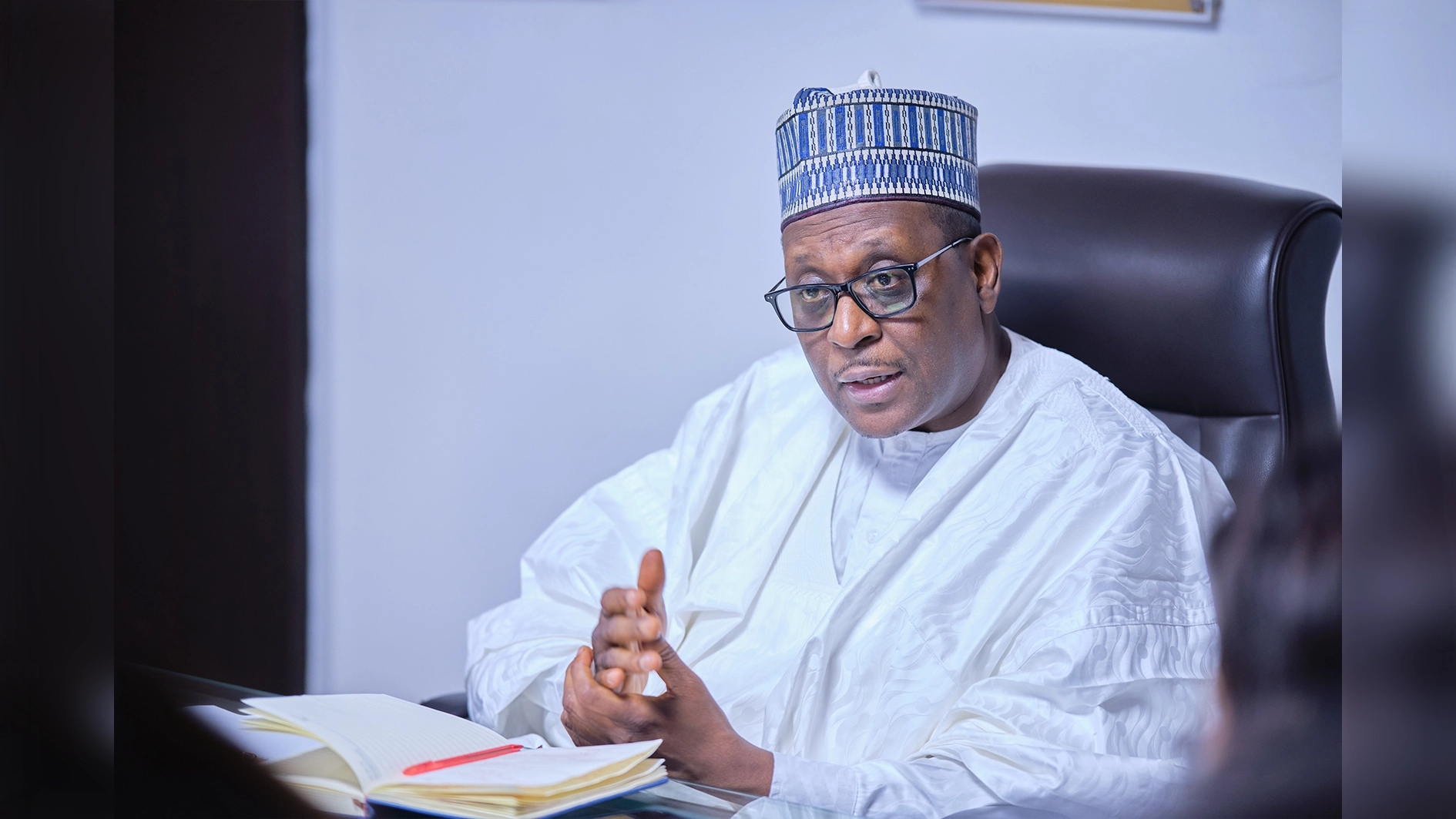
The Federal Government of Nigeria has assured its citizens that there are no confirmed cases of Ebola Virus Disease (EVD) within the country.
This reassurance comes amidst reports of a fresh Ebola outbreak in parts of the Democratic Republic of Congo (DRC) and Uganda, prompting Nigeria to activate robust precautionary measures nationwide.
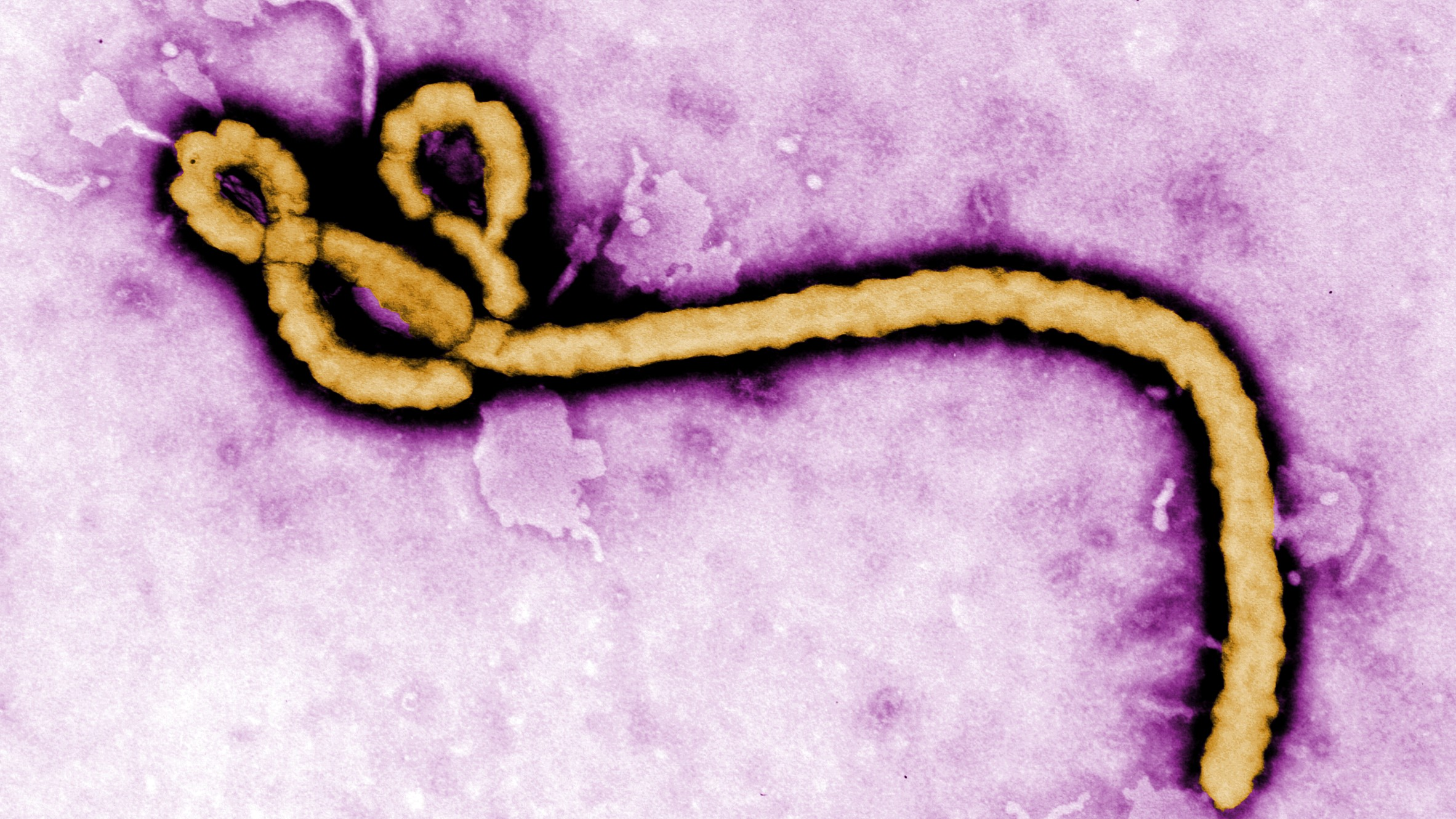
The World Health Organisation (WHO) has classified this outbreak as a Public Health Emergency of International Concern (PHEIC), highlighting its regional threat. The current Ebola outbreak, primarily affecting the eastern regions of the DRC, including Ituri and North Kivu provinces (Bunia and Goma), and extending to Uganda, is caused by the Bundibugyo virus strain.
A critical concern is the absence of any approved vaccine or specific treatment for this particular variant, as warned by WHO Director-General Tedros Adhanom Ghebreyesus.
The outbreak has tragically led to numerous suspected cases, with an estimated 600 probable cases and 139 suspected deaths, figures expected to rise given the virus's likely circulation for months before detection.
The WHO assesses the risk of this epidemic as high at national and regional levels in central Africa, while remaining low globally.
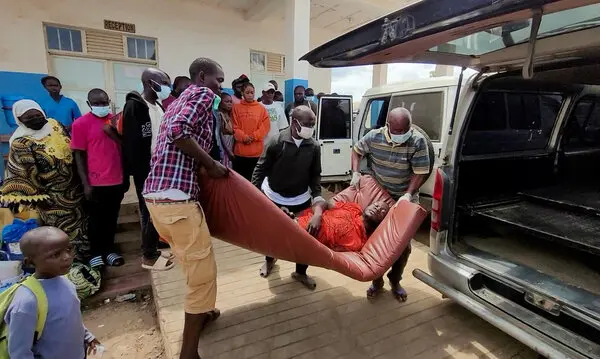
Despite this, the situation in the DRC is severely complicated by persistent conflict and insecurity, especially in Ituri Province, which has recently intensified and led to the displacement of over 100,000 people.
This mass movement, coupled with mining activities, significantly increases the risk of further spread. Initial response efforts have been slow, with essential medical supplies and protective gear for healthcare workers arriving late in hard-to-reach areas.
Reports of infections among health workers and cases in urban centers like Kampala and Goma underscore the challenges in containment and the need for urgent action.
In response to the regional threat, Nigeria has intensified its surveillance and preparedness.
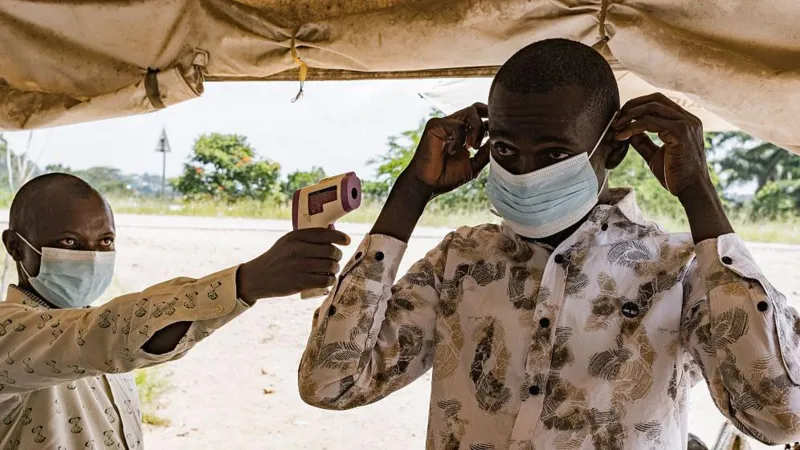
The Federal Ministry of Health and Social Welfare, through the Nigeria Centre for Disease Control and Prevention (NCDC) and Port Health Services, is closely monitoring the situation in collaboration with WHO. Enhanced screening and health declaration protocols are in place at all international airports and points of entry.
The Federal Airports Authority of Nigeria (FAAN) has strengthened its coordination with relevant agencies, increased staff sensitization, and reinforced emergency response procedures.
Public awareness campaigns and community engagement activities are being intensified, urging Nigerians to maintain hand hygiene and report any unusual illness.
Experts, like Professor Sylvester Odion Akhaine, have called for heightened vigilance, recalling Nigeria's successful containment of the 2014 Ebola outbreak due to swift institutional response.
The WHO has approved an additional $3.4 million, bringing its total emergency funding to $3.9 million, to combat the outbreak. Emergency teams, medical supplies, and equipment have been deployed to affected areas to support surveillance, treatment, and containment operations.
An American national infected in the DRC while working with a medical missionary group has been evacuated to Germany for treatment, highlighting international efforts.
The Government of Uganda demonstrated commendable cooperation by postponing its annual Martyrs’ Day celebrations, which attract millions, due to the public health risk.
The current crisis unfolds amidst a turbulent period for international health systems. The WHO itself has faced growing financial uncertainty due to steep reductions in donor funding, leading to restructuring and staffing reductions.
Despite these challenges, the organization emphasizes its resilience and ongoing reforms, including the establishment of the WHO Hub for Pandemic and Epidemic Intelligence in Berlin, the mRNA Technology Transfer Hub in South Africa, and the Pandemic Fund.

Negotiations on a Pandemic Agreement and amendments to International Health Regulations continue, aiming to strengthen global preparedness. These efforts are linked to broader calls from developing countries for "health sovereignty" and reduced reliance on external aid.