DR Congo's Controversial $1.2bn US Health Deal Shakes Up Regional Alliances
The Democratic Republic of Congo and Uganda have embraced a new $1.2 billion US health partnership model, committing to significant healthcare investments. This contrasts with Zambia and Zimbabwe, who rejected similar deals over concerns about health data sovereignty and asymmetrical terms. The differing responses underscore a broader debate on Africa's engagement with Washington's evolving global health financing strategy.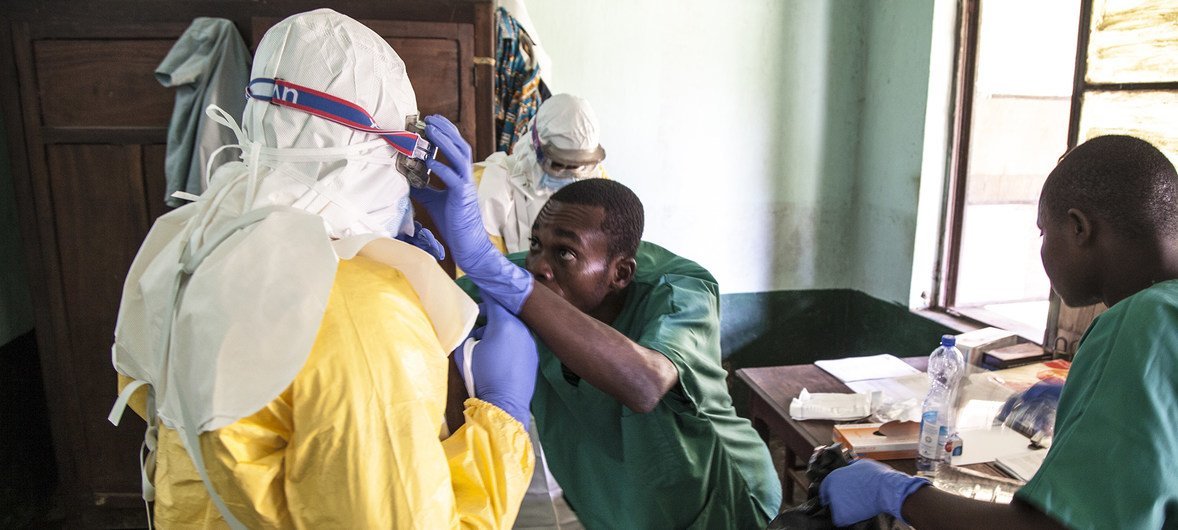
The United States has unveiled a new bilateral health financing model that is generating mixed reactions across Africa.
The Democratic Republic of Congo (DRC) has joined Uganda in adopting the framework, signing a $1.2 billion, five-year health partnership.
While Zambia and Zimbabwe have rejected similar agreements over concerns about data sovereignty and funding conditions.
This divergence shows growing debate among African nations over balancing financial support with national control over sensitive health information.
Under the agreement running from 2026 to 2031,the DRC will receive $900 million in direct US assistance, while committing $300 million in domestic health spending.
The partnership aims to address major public health priorities, including HIV/AIDS, tuberculosis, malaria, maternal and child health, polio eradication, epidemiological surveillance, workforce development, and emergency preparedness.
The structure reflects a shared financing approach designed to strengthen national health systems while increasing domestic accountability.
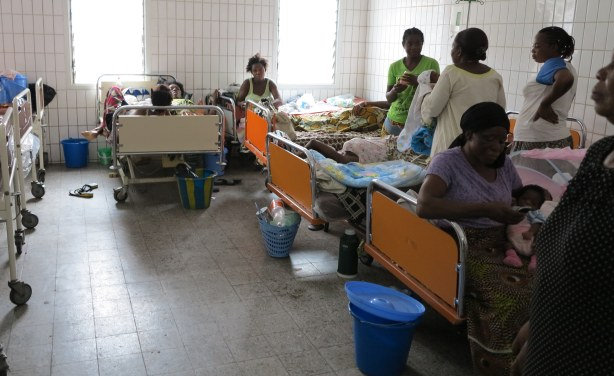
This model marks a significant shift in US global health strategy, moving away from traditional donor-led funding toward direct government-to-government partnerships.
A key component is the requirement for recipient countries to increase domestic investment and participate in structured data-sharing arrangements.
Uganda previously signed a similar $1.7 billion agreement, describing it as a sovereign-guided partnership that strengthens health systems while preserving national oversight of health data.
However, Zambia and Zimbabwe rejected comparable deals, citing sovereignty and fairness concerns.
Zambia declined a proposed $1.012 billion agreement after a leaked draft revealed provisions granting extended US access to national health data and strict performance-based funding conditions.
Zimbabwe also withdrew from a $367 million pact, describing it as asymmetrical due to requirements to share biological samples and sensitive health data without guarantees of equitable access to resulting treatments.
These contrasting decisions highlight a broader continental debate over sovereignty, sustainability, and the long-term implications of Washington’s evolving health financing strategy.