Digital Kids, Analog Parents: The Unspoken Generational Divide in Africa
In Africa’s fast-evolving digital age, a quiet tension brews between tech-savvy youth and their analog-era parents. This article explores how generational differences in technology use affect communication, discipline, education, and family dynamics — and how both sides can bridge the divide.
.jpeg)
In a continent that is rapidly adopting smartphones, artificial intelligence, and digital entrepreneurship, an unexpressed tension exists at dinner tables, classrooms, and religious institutions throughout Africa: the generational divide between 'digital kids' and their analog parents.
While significant discourse has focused on Africa’s technological expansion and its youthful demographic, there has been little attention paid to the emotional, cultur al, and technological gap that separates this emerging generation from their elders.

Photo Credit: Istock, A modern African family navigating digital devices together.
Digital Natives Versus Digital Immigrants
In contemporary African households, children are born into a reality where digital interaction is instinctive. They navigate mobile applications with ease before mastering cursive writing and engage in global dialogues via platforms like TikTok, Instagram, and YouTube.
This generation, often termed 'digital natives,' is fluent in the vernacular of the internet.
Conversely, their parents are frequently categorized as 'digital immigrants,' having grown up in a world characterized by landline telephones, handwritten correspondence, and radio broadcasts. Many parents find it challenging to acclimate to the fast-evolving digital landscape their children now inhabit.
A2023 report from the GSMA indicates that smartphone adoption in sub-Saharan Africa has surged by over 60% in the past five years; however, digital literacy among adults remains troublingly low, especially in rural regions.
Communication Breakdown: Language, Culture, and Screens
One of the most striking consequences of this digital divide is the communication gap. Traditional African societies value face-to-face interactions, proverbs, and storytelling as methods of teaching and correction. In contrast, today’s youth often opt for texting, emojis, and memes.
For numerous parents, this transition appears to signify a rejection of their cultural values.
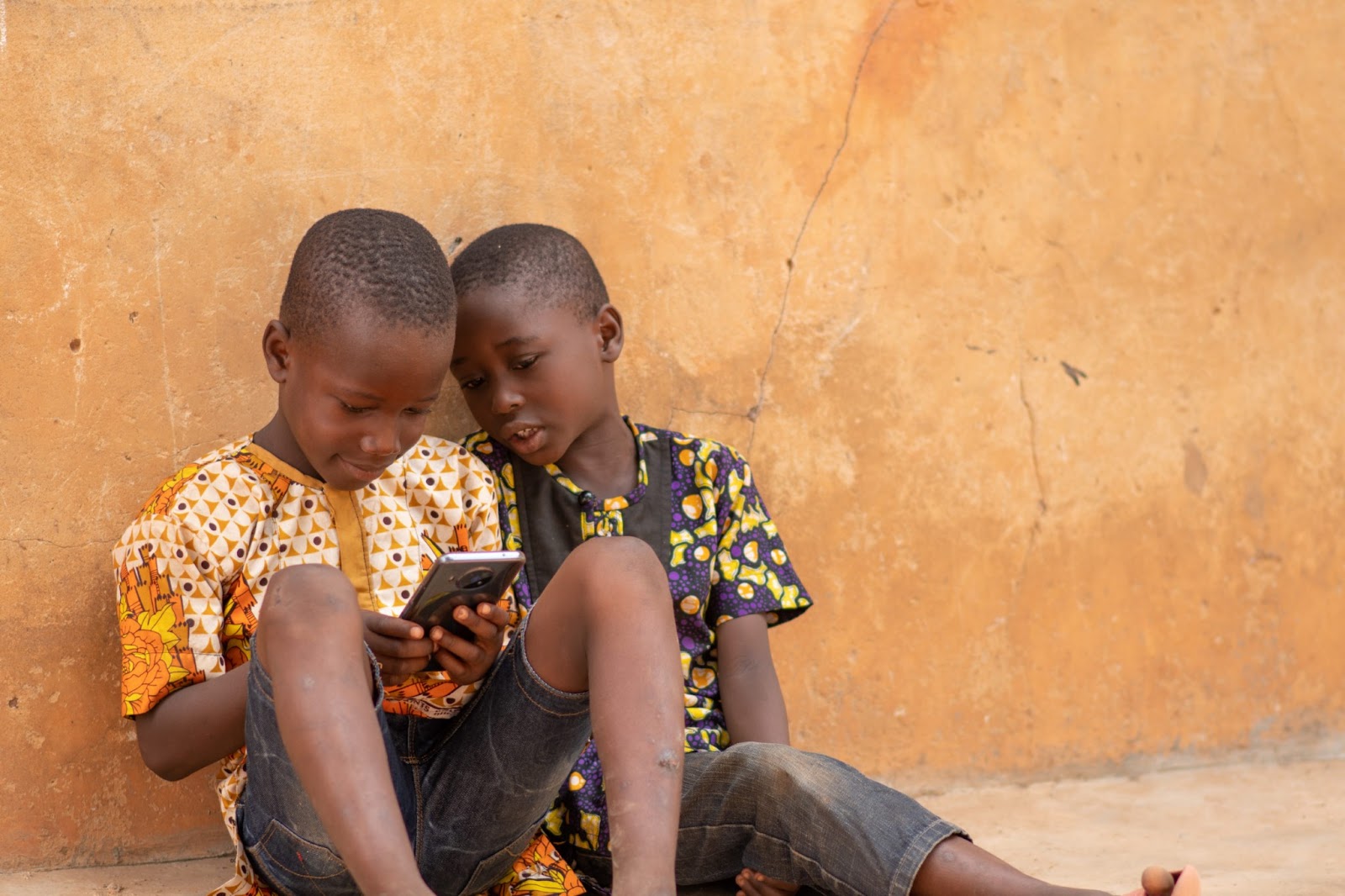
Photo Credit: Shuttershock, Digital-native children immersed in smartphone use.
Discipline and Digital Freedom
The matter of discipline further exacerbates the generational divide. Analog parents often grew up in strict settings where compliance and hierarchy were imperative. The digital era, however, promotes an environment of inquiry, exploration, and autonomy.
Young individuals are increasingly exposed to global values via YouTube videos, online courses, and social movements. This tension is particularly evident in discussions surrounding dress codes, career aspirations, and even religious practices. For instance, a young Kenyan girl aspiring to become a content creator may face opposition from parents who believe success can only be achieved through careers in medicine or law.
A2022 study by the African Youth Survey revealed that over 40% of African youth felt misunderstood or unsupported by their parents in their pursuit of digital careers
Education in the Digital Age
The education systems throughout Africa are also caught in this dichotomy. Many schools continue to adhere to outdated curricula that emphasize rote learning rather than critical thinking or digital skills.

At home, children strive to balance academic responsibilities with their online learning interests, while parents often dismiss anything outside traditional education as a distraction.
In countries such as South Africa and Ghana, government initiatives are gradually introducing coding and digital literacy into school curricula.
However, without parental support, the impact of these efforts remains limited. Children must navigate their technology-driven ambitions in solitude.
Moral Panic and the Fear of Technology
For many analog parents, the digital realm signifies not merely unfamiliarity but also peril. Concerns regarding online predators, cyberbullying, pornography, and "wasted time" cultivate mistrust. While such anxieties are legitimate, they often result in outright restrictions or excessive monitoring, further alienating the child.
According to a2021 UNICEF report, only 20% of African parents engage in discussions about internet safety with their children, while 60% resort to restrictive measures such as confiscating devices. The absence of constructive dialogue fosters a sense of being policed rather than protected among young individuals.

Photo Credit: Istock, An intergenerational bonding moment through shared technology
Bridging the Divide: Proposed Solutions
Closing this generational divide necessitates deliberate, empathetic efforts from both parties. Here are some proposed strategies:
Digital Literacy for Parents: Governments, non-governmental organizations, and community centers should provide digital literacy programs specifically designed for parents. Teaching fundamental skills, such as navigating social media, comprehending YouTube content, and even coding, can enhance empathy and communication.
Family Technology Dialogues: Families should dedicate time to discuss technology use, internet habits, and digital ethics in a judgment-free environment that encourages mutual understanding.
Curriculum Reform: Schools should function as bridges between home and digital realms. Educators can guide both students and parents in utilizing online tools effectively and responsibly.
Role Models and Mentorship: Successful figures in technology or digital fields, such asIyinoluwa Aboyeji (co-founder of Flutterwave) orVanessa Nakate (a climate activist utilizing digital media), should be highlighted as role models. Their narratives can help parents recognize the value in non-traditional career paths.
Shared Digital Activities: Engaging in shared experiences, such as watching documentaries, exploring educational applications, or participating in family-friendly online games, can transform technology into a means of connection rather than division.
The African Home as a Microcosm
The African household, once unified by shared traditions, communal tasks, and storytelling, is now increasingly fragmented by technology. This shift is not inherently negative; the digital culture also introduces novel avenues for connection, learning, and self-expression.
However, without open communication and mutual respect, African households risk devolving into environments of silent conflict.
As the continent advances with technology startups, digital banking, and online activism, it must not overlook the emotional and cultural adjustments necessary at the familial level. Bridging the analog-digital divide should not be viewed as choosing sides but rather as harmonizing the strengths of both worlds.
Conclusion: Fostering Understanding Across Generations
The future of Africa depends not solely on its technological expansion or innovation but also on the extent to which its generations comprehend one another. The generational divide between digital children and analog parents encompasses more than gadgets; it involves values, worldviews, and identities.
By promoting intergenerational digital dialogue, we can transform our homes from battlegrounds into classrooms, where parents learn from their children, and children benefit from parental guidance. Ultimately, the focus should not be on who belongs to which world but on how we can meet each other halfway.