4 Nigerian Creators Who Turned Social Media Fame Into Real Businesses, And How They Did It
What happens when followers stop being just numbers and start becoming customers? These four Nigerian creators are turning online influence into businesses built to last.
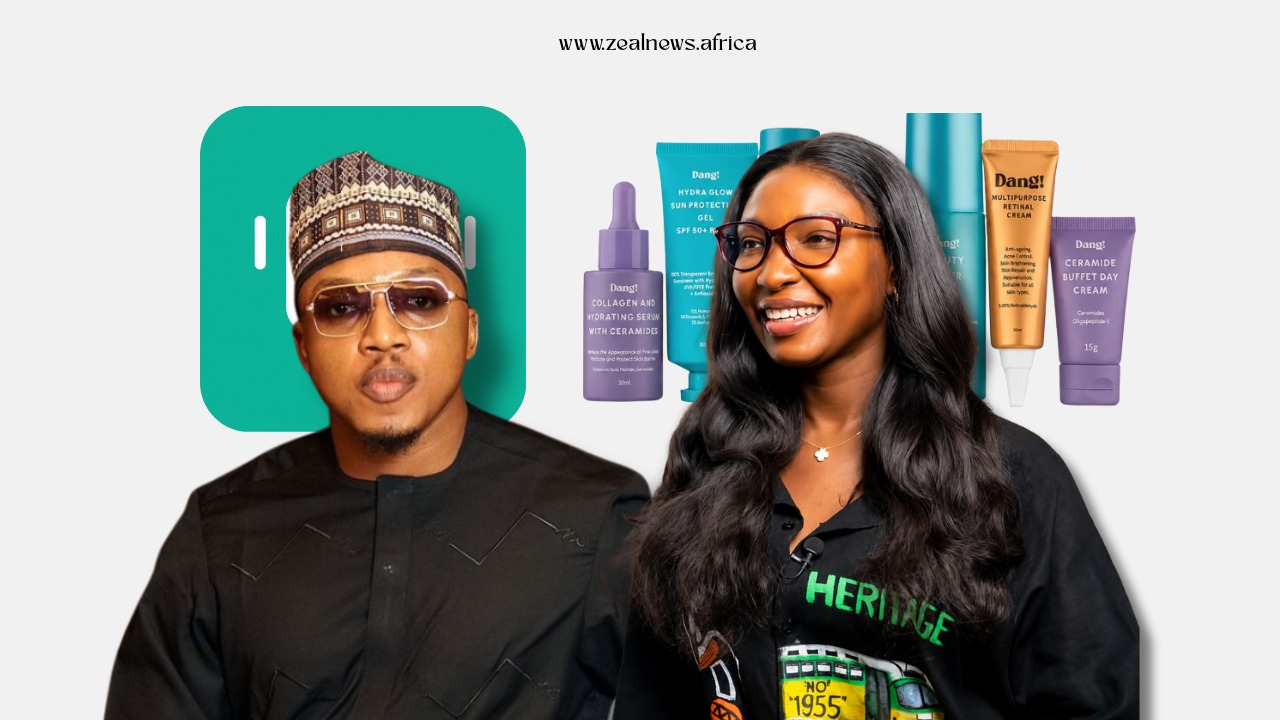
Going viral can change your life. But there is an uncomfortable question every creator eventually has to confront: what happens when people stop watching?
A million followers can disappear behind an algorithm update. Brand deals can dry up, platforms can change their rules, and the audience you spent years building technically still belongs to Instagram, TikTok, YouTube, or whichever app happens to be keeping everyone awake at 1 a.m.
Some Nigerian creators seem to have noticed.
Instead of stopping at views, sponsorships, and influencer campaigns, they are using the attention they built online to sell skincare, meals, cars, fashion, and even healthcare services.
And that changes the creator game completely.
The smartest move may no longer be becoming a bigger influencer. It may be building something that can survive even when the influencing slows down.
Here are four Nigerian creators doing exactly that.
1. Ifedayo Agoro Built Built Dang!
If you have followed Diary of a Naija Girl, popularly known as DANG, you will know that Ifedayo Agoro did not build her audience by acting like a distant celebrity. Her appeal came from talking openly about relationships, family, feminism, and everyday experiences in a way that made followers feel part of an ongoing conversation.
Then she took that relationship somewhere more commercial.
She created DANG, her skincare and home-care business, moving from recommending or discussing products to owning the company selling them.
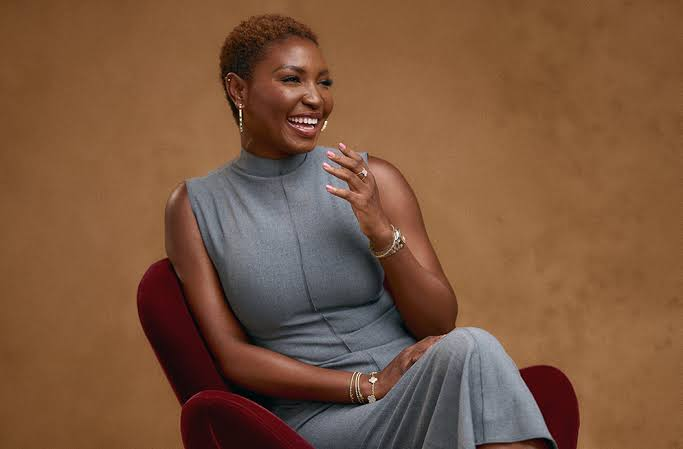
When an influencer promotes another company's cream, the campaign ends and the brand keeps the customer. When the creator owns the cream, every successful recommendation can potentially create a customer for their own business.
According to Technext, DANG has sold more than 700,000 units of its skincare and home-care products globally and operates digital storefronts serving markets including the UK, US, Canada, Ghana and Kenya.
Agoro therefore has something many young businesses would spend heavily to acquire: an audience that already knows the founder, understands her personality and has spent years listening to her recommendations.
That does not mean followers automatically become customers. A skincare company still has to make products people want to buy again after the excitement around its founder wears off.
But Agoro has turned social media attention into something more durable: distribution.
2. Aproko Doctor Built a Health-Tech Business
Chinonso Egemba built Aproko Doctor around something social media is not particularly famous for: credible health information explained in language ordinary people can understand.
That created a valuable kind of audience.
People were not only watching him because he was entertaining. They trusted him with questions about their health.
Egemba has since taken that relationship beyond content as co-founder of AwaDoc, a digital healthcare platform that uses an AI-powered WhatsApp chatbot to provide health support while helping healthcare providers manage patient engagement.

According to the source article, AwaDoc launched in April 2025 and raised $500,000 in pre-seed funding three months later.
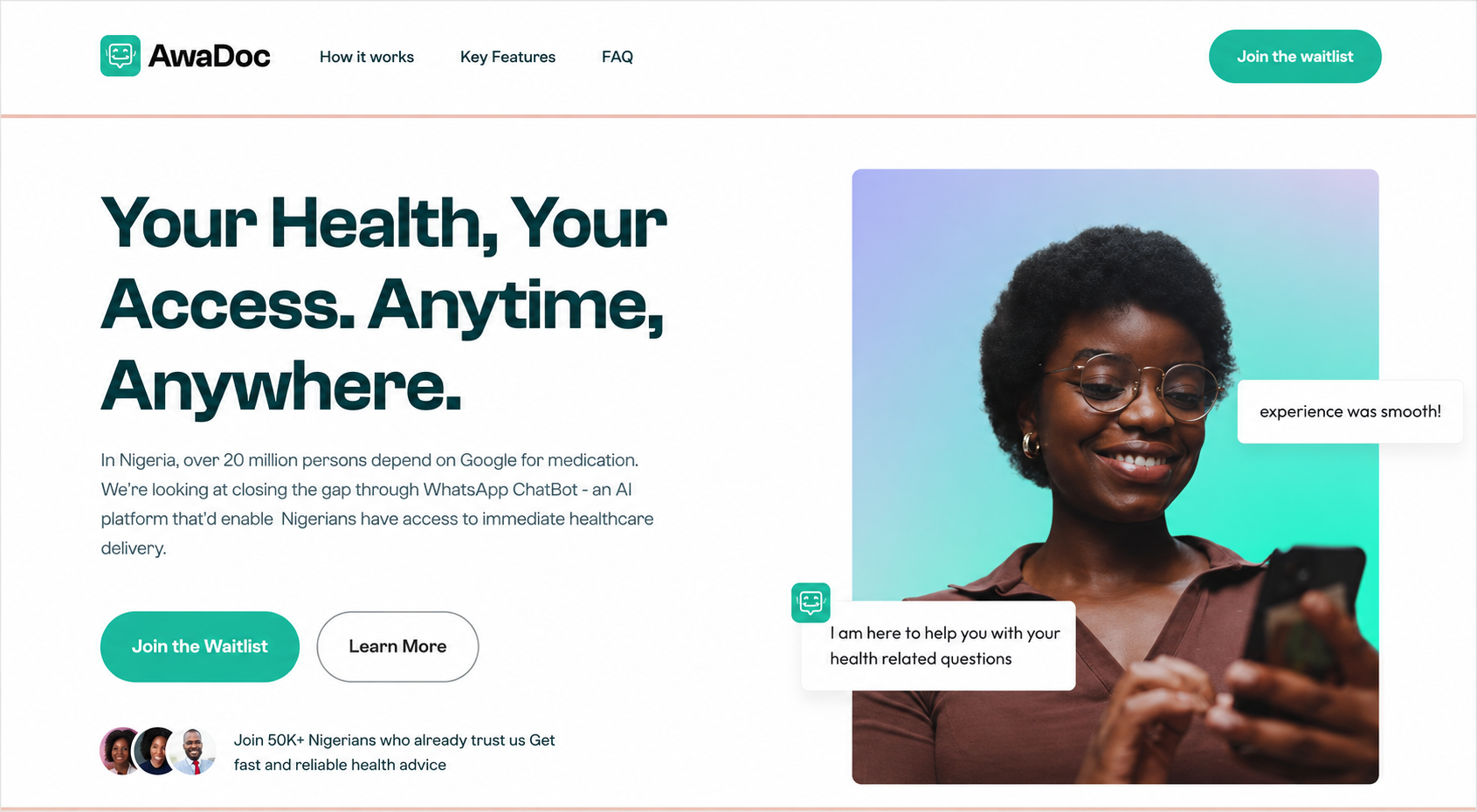
That transition is interesting because the product grows directly from the problem his content has been addressing.
Aproko Doctor spent years making healthcare information easier to understand. AwaDoc attempts to take that one step further by helping people access healthcare support through a tool they already use every day: WhatsApp.
There is also an important distinction here.
Many creators build businesses around their fame. Egemba is building around his expertise.
That can potentially make the business less dependent on whether he personally remains at the centre of every interaction.
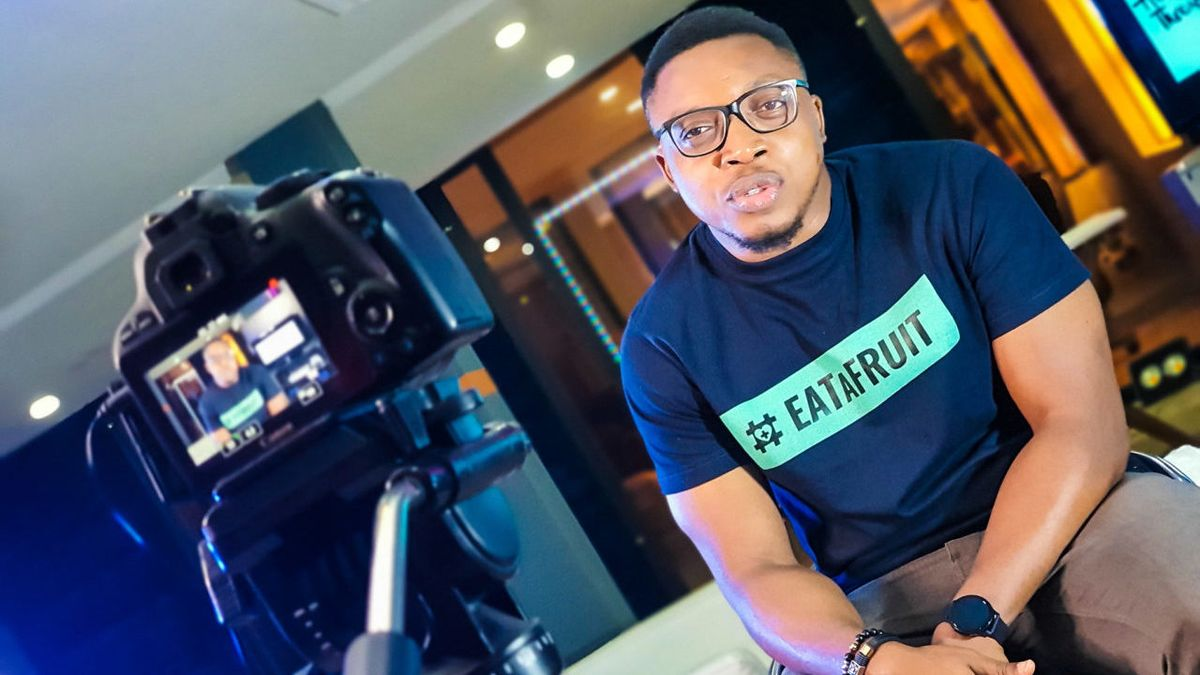
His face may have brought the first wave of attention, but if the technology solves a useful enough problem, people eventually have a reason to use it that has little to do with watching Aproko Doctor videos.
That is when a creator-led business begins to look like something else entirely.
It starts looking like a company.
3. Ola of Lagos Went From Showing Us Expensive Cars To Having His Own Comapny
Ola of Lagos built an entire internet personality around excitement.
Luxury cars, extravagant homes and the famous reactions that followed them became his lane. If there was a ridiculously expensive vehicle somewhere in Lagos, there was a decent chance Ola would eventually be standing beside it with a camera.
But look at what happened next.
The cars stopped being only content and became inventory.

Ola is now CEO of OOL Autos and OOL Properties, taking the two subjects that helped build his online following — luxury cars and real estate — into businesses of his own.
It is probably one of the cleanest creator-to-commerce transitions in Nigeria.
Someone watches you review cars because they enjoy cars. Over time, some of those viewers may become wealthy enough to buy cars, while others already have the money but now associate your name with the industry.
That audience is suddenly more than a collection of followers; it is a market.
Ola's advantage is not simply that millions of people know him. It is that many of those people already know exactly what they associate him with.
4. Fisayo Longe Turned People Asking “Where Did You Get That?” Into a Fashion Company
Anyone who has spent enough time around fashion creators knows the question.
“Where did you get that?”
For Fisayo Longe, people repeatedly asking about the clothes she wore eventually became something much bigger than a comment section.
Longe had been blogging about fashion and travel since 2012 when followers began asking to buy pieces she sourced and designed. That demand eventually contributed to the creation of Kai Collective, which she launched in 2016.
That progression says something useful about how creator businesses can start.
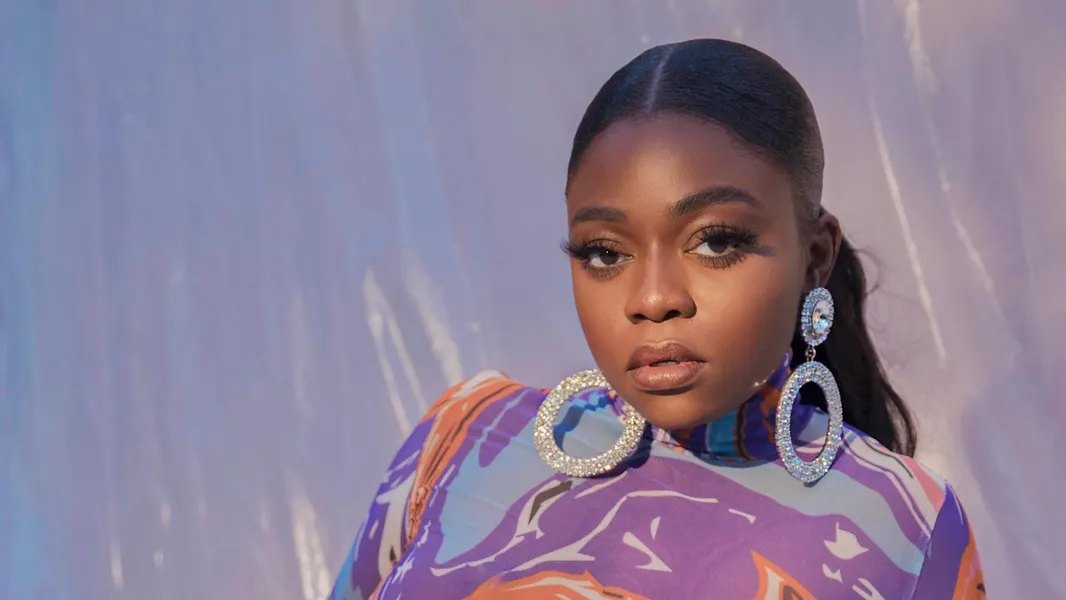
Sometimes your audience tells you what the business should be before you realise you are building one.
Instead of inventing a completely unrelated product and hoping her followers would care, Longe built around something they were already asking her for.
The Algorithm Gives You Attention, It Does Not Give You Ownership
There is a reason these five stories feel different from the usual creator success story.
Followers and views are useful; even brand deals can be extremely profitable, but creators are building on rented land.
Instagram decides how many followers see a post. YouTube controls monetisation rules. TikTok can change its algorithm. A brand that paid handsomely for three campaigns can decide next quarter that it wants somebody younger, newer or simply cheaper.
Owning a business changes that relationship.
The audience becomes a way to acquire customers rather than the final product being sold to advertisers.
That does not make entrepreneurship easier.
Ifedayo Agoro still has to sell good skincare. Hilda Baci still has to serve good food. Ola of Lagos still has to deliver cars people trust. Fisayo Longe still has to make clothes customers want. Aproko Doctor's health-tech venture still has to solve real healthcare problems.
A million followers will not rescue a bad product forever, but creators have one advantage traditional entrepreneurs would love to have: they can begin with attention instead of having to buy it from scratch.
What if the ultimate goal is not to become valuable enough for brands to hire you, but to use your influence to build a brand of your own?