Cryptocurrency Regulation 2025: A Complete Global Summary for Investors
If you own or plan to invest in cryptocurrency, these changes can affect your taxes, where you can trade, and how safely your funds are held. This article explains the key changes clearly and simply.

Cryptocurrencies like Bitcoin, Ethereum, and stablecoins (digital tokens tied to real money) are becoming more common. But unlike regular money, rules for crypto have been unclear for many years. In 2025, governments around the world made several important regulatory changes that affect how people buy, sell, and use crypto.
These rules are meant to protect investors, prevent fraud, and bring stability to a market that has seen big ups and downs.
United States: Major New Law on Stablecoins
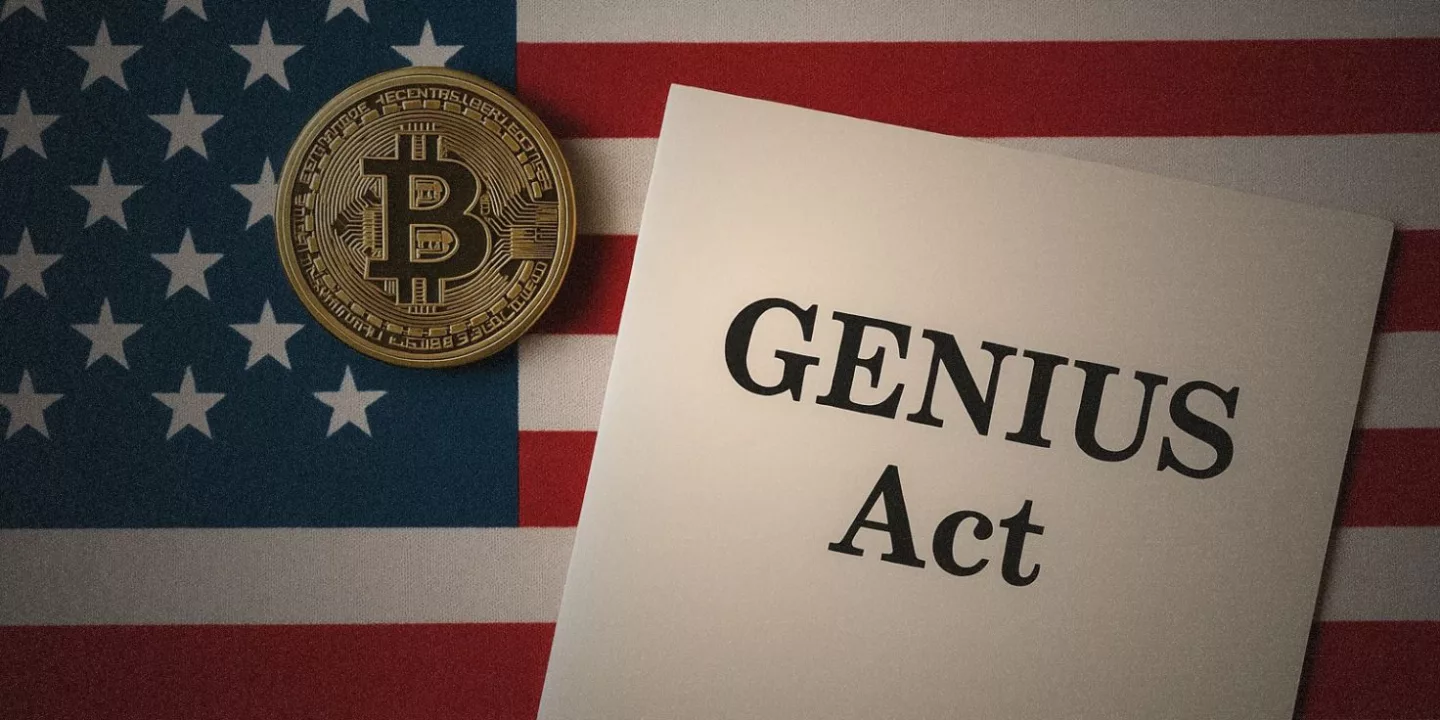
One of the biggest regulatory updates in the United States in 2025 was the passage of the GENIUS Act.
The Guiding and Establishing National Innovation for U.S. Stablecoins Act, or GENIUS Act, was signed into law on July 18, 2025. It creates the first federal regulatory framework for stablecoins - crypto tokens that are meant to always equal a fixed amount of money (often $1).
Under this law:
Stablecoin issuers must keep real assets (like U.S. dollars or government bonds) in reserve to back every coin they issue.
The law requires regular audits to prove these reserves actually exist.
Stablecoins must comply with rules to protect consumers and prevent misuse.
Before this, stablecoins were mostly governed by a patchwork of state and federal rules, which left investors uncertain. Now, the GENIUS Act brings more clarity and makes stablecoin markets safer and more transparent for ordinary investors.
European Union: Unified Crypto Rules Across Countries

In the European Union (EU), the Markets in Crypto-Assets Regulation (MiCA) is one of the most significant changes in global crypto regulation. MiCA became applicable fully on June 30, 2024, and its effects carried through 2025.
Under MiCA:
Crypto businesses (exchanges, wallet services, and stablecoin issuers) must be licensed to operate.
Stablecoin issuers must hold full reserve backing and disclose their financial details regularly.
Licenses granted in one EU country let firms operate in all EU member states (called “passporting”).
These rules aim to make the EU one of the most organized and investor‑friendly crypto markets in the world. They help protect customers and reduce fraud, especially in services like stablecoin issuance and trading.

Major crypto platforms like Kraken and Coinbase have already received MiCA licenses, allowing them to serve customers across the EU under these new rules.
Across Asia, several countries updated or strengthened crypto regulations in 2025, each in their own way.
Singapore’s financial regulator, the Monetary Authority of Singapore (MAS), completed changes under the Financial Institutions (Miscellaneous Amendments) Act 2024, which fully took effect in January 2025. These updates give regulators more authority to oversee crypto‑related financial products, including stricter inspections and clearer rules for crypto derivatives and similar instruments.
Singapore also requires all Digital Token Service Providers (DTSPs), companies that provide crypto trading or custody services to be licensed if they serve Singapore residents, even if they are based overseas. This rule came into effect by June 30, 2025 and is meant to protect investors by ensuring only qualified firms operate in the market.
In Japan, regulators have been updating the law to treat crypto more like traditional financial assets. The country’s Financial Services Agency (FSA) is working to expand how stablecoins operate and to eventually classify cryptocurrencies as financial products under the main securities law. This would put crypto on similar legal footing with stocks and bonds.
The Japanese approach aims to balance safety with innovation. The reform plans include allowing licensed banks and trust companies to issue stablecoins with reserve flexibility, so reserves can include government bonds alongside cash.
Hong Kong has been developing a Stablecoin Ordinance that will formally regulate fiat‑pegged stablecoins when it takes effect on August 1, 2025. This ordinance requires fiat‑backed stablecoins to meet strict licensing, capital, and operational standards, a major milestone in Asia for regulated stablecoin markets.
South Korea’s regulators introduced the Digital Asset Basic Act draft in June 2025, proposing a formal licensing and oversight regime for stablecoin issuers. Although still at the proposal stage, this shows clear intent to regulate crypto more fully.
Tax and Transaction Rules Get Stronger
In some countries, crypto investment taxation has also changed in 2025, affecting investors directly.
For example,Indonesia raised the tax rate on crypto transactions starting August 1, 2025. Under the new rules, domestic traders pay higher rates based on where transactions occur, and value‑added tax (VAT) on crypto mining was increased, though VAT for buyers was removed.
These kinds of changes show how governments are not only regulating how crypto can be offered, but also how it’s taxed, which can influence investment decisions.
What This Means for Investors
After these changes in 2025, this is how crypto investors are affected:
1. More clarity and safety:
Rules like the GENIUS Act and MiCA make it clearer how stablecoins and crypto services are supposed to operate. That reduces surprises and fraud risks.
2. Licensing matters:
Whether you’re using an exchange in the U.S., EU, or Asia, choosing platforms regulated under local laws can increase the safety of your funds.
3. Taxes and reporting might change:
Some countries are tightening tax rules on crypto profits and transactions. Investors should check local laws or speak to a tax professional.
4. DeFi and decentralised apps:
Regulators are still grappling with how to govern decentralised finance (DeFi), which doesn’t always fit existing models. This means uncertainty remains in some parts of the market, especially for purely decentralized protocols.
5. Global rules are still evolving:
Although there’s more regulation now than before, no single global law exists. Countries are moving at their own pace and in different directions.
Cryptocurrency markets have reached a point where governments can no longer ignore them. What was once a largely unregulated space is now getting structured rules everywhere, from the U.S. to Europe to Asia.
These changes in 2025 do not shut down crypto innovation. Instead, they aim to make crypto safer for the average investor, reduce fraud, and integrate digital assets into mainstream financial systems without compromising financial stability.
Whether you are a casual investor or a frequent trader, staying informed about regulation is now just as important as watching price charts. As rules continue to change in 2026 and beyond, being prepared and compliant will help protect your investments and open up new opportunities in the digital asset world.