Bird Poop Built an Empire — The Wildest Science Story You Haven't Heard
Discover how the Chincha Kingdom of ancient Peru built a powerful empire—not with gold or armies, but with the nitrogen-rich guano of seabirds. A surprising story of ecology, agriculture, and wealth.
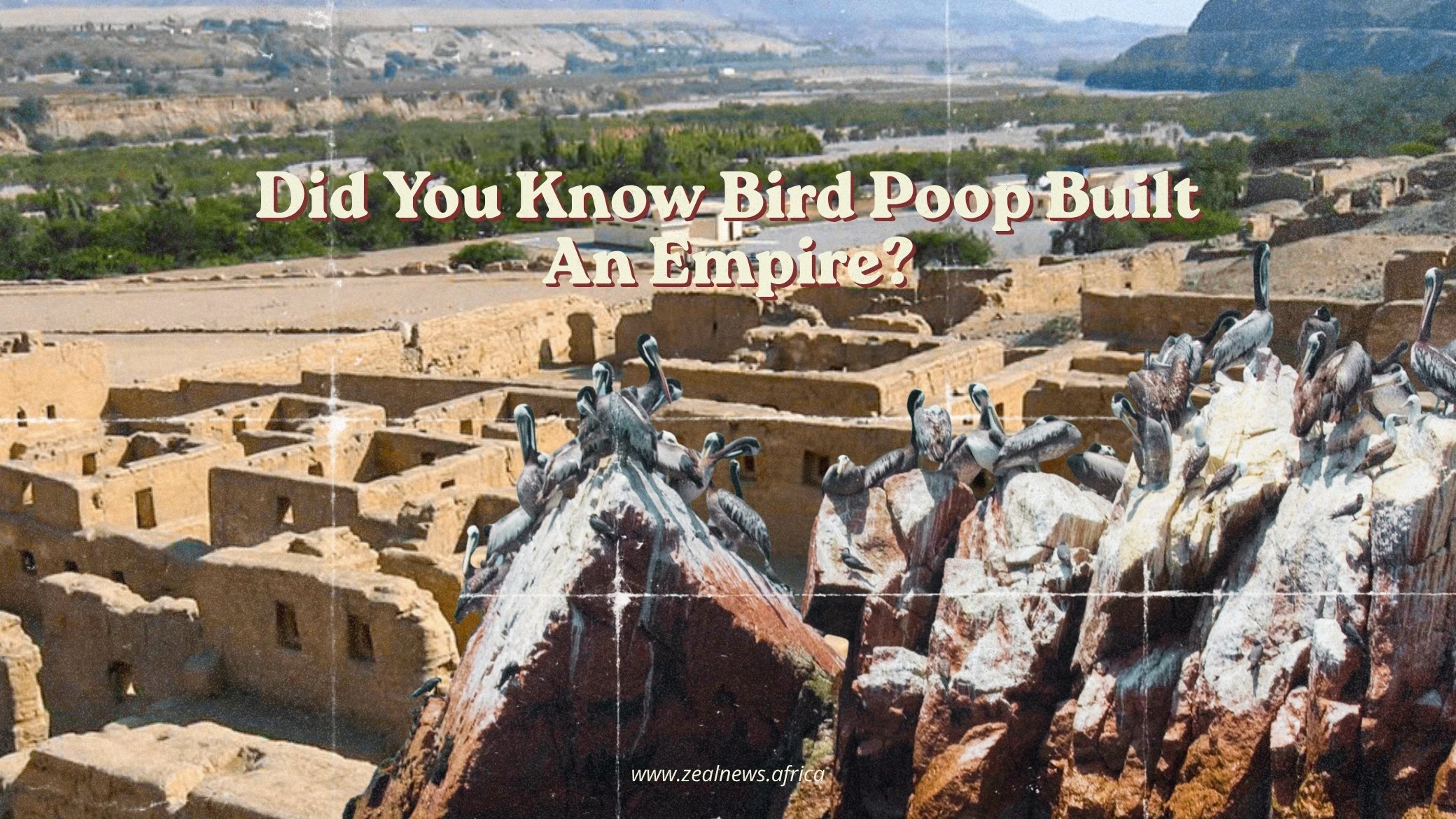
Do you know one of the most powerful empires in the ancient world was built on bird droppings? Not on gold or iron or military genius or even divine favour but bird poop.
It sounds like the setup to a bad joke, but scientists just confirmed it and honestly, it is one of the most fascinating things to come out of a research lab this year.
The story involves a forgotten kingdom, millions of seabirds and a fertilizer so potent it turned a stretch of coastline into one of the wealthiest societies the ancient Americas ever produced.
If this were a Netflix documentary, it would have three seasons and multiple fan groups.
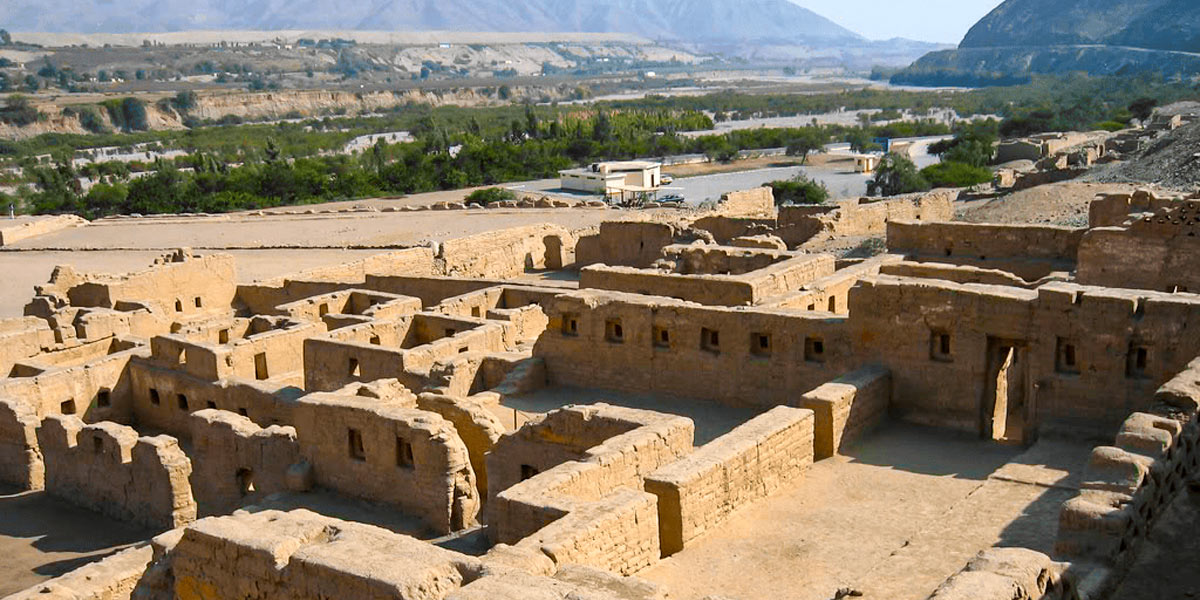
Meet the Chincha Kingdom
The Chincha Kingdom existed on the coast of what is now Peru, roughly between the years 900 and 1400 CE.
At its peak, it was an enormous, thriving civilisation with trade networks that stretched across the continent, political influence that even the Inca Empire had to negotiate with and an agricultural system so productive it fed populations that had no business being that large given the terrain.
For a long time, historians credited the Chincha's success to their trading skills and their location on the Pacific coast. Both of those things are true.
But new research has added a third, significantly less glamorous factor to the list: guano.
Guano is the scientific word for the excrement of seabirds and bats. On the Chincha Islands, a cluster of small, rocky islands off the Peruvian coast, millions of seabirds had been depositing their droppings for centuries.
Over time, those deposits built up into thick layers. The Chincha people figured out that this stuff, when spread on their fields, made their crops explode.
Why Bird Poop is Actually Incredible
For you to understand how incredible this is, we need to go a little into soil science.
Plants need nitrogen to grow. Nitrogen is what makes soil fertile, what determines whether a farm produces abundance or barely survives.
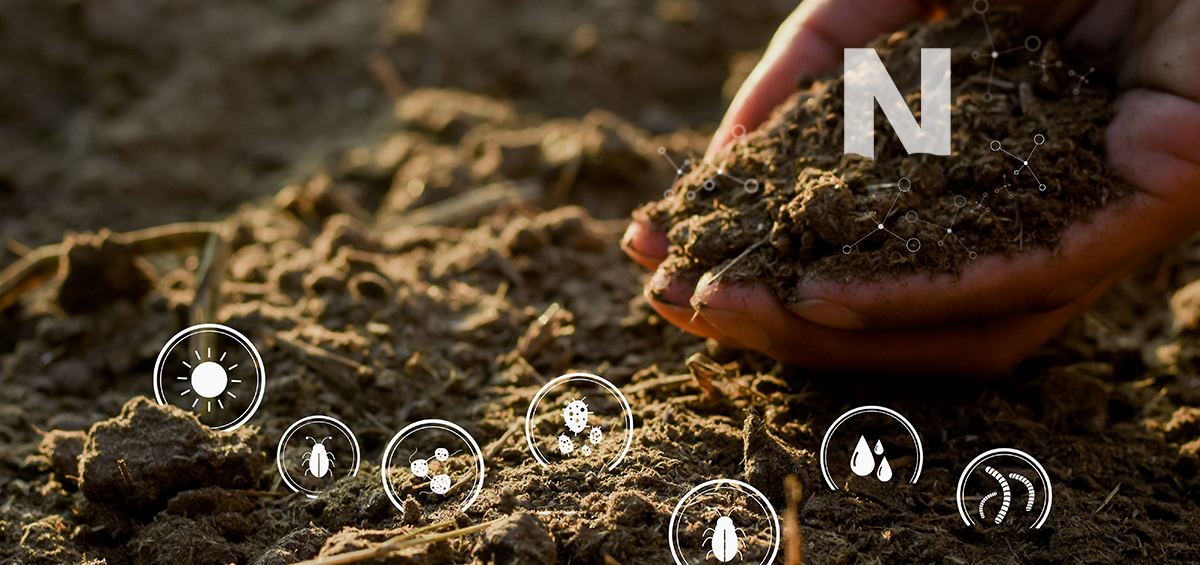
For most of human history, farmers relied on animal manure, crop rotation and luck to keep their soil nitrogen-rich.
It worked, but not enough. Feeding large, complex civilisations using pre-industrial farming was not always so feasible.
History
Rewind the Stories that Made Africa, Africa
A Journey Through Time, Narrated with Insight.
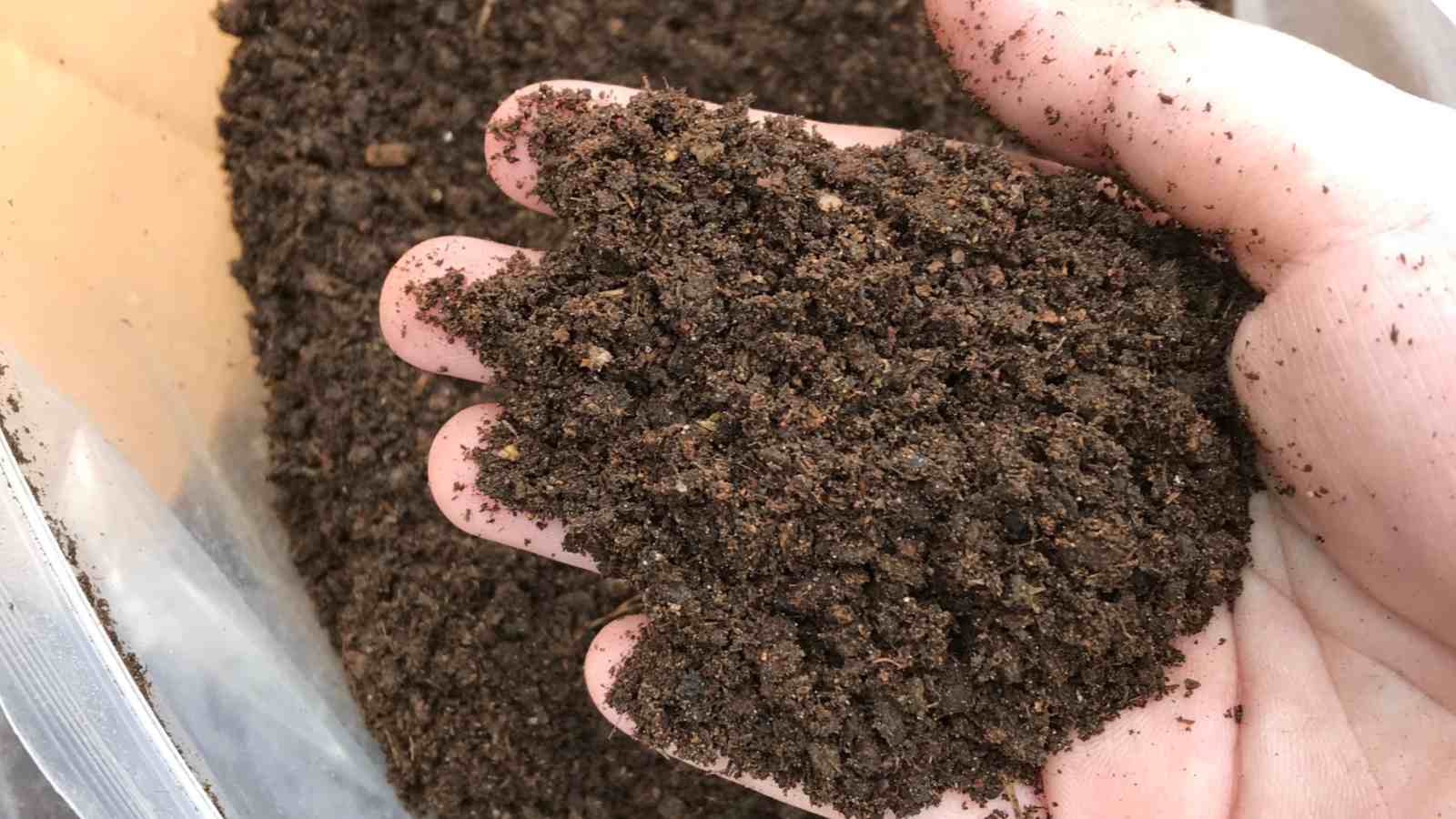
Seabird guano, it turns out, is extraordinarily high in nitrogen. Compared to cow dung, the standard agricultural amendment for most ancient farmers, guano is several times more potent.
Spread it on your fields and your yields do not just improve; they transform. The Chincha were essentially sitting on a natural superfertiliser factory and they had the wisdom to use it.
The new research confirms that large-scale guano harvesting was central to Chincha society. The islands were managed, the birds were protected and the droppings were distributed as a strategic resource.
This was a civilisation that understood the relationship between ecology and economy centuries before those words existed.
The Most Unglamorous Things Change the World
The things that actually build civilisations are rarely the things that end up in the textbooks. We love to centre kings, warriors and monuments. But underneath every great empire, there is usually something deeply boring doing the heavy lifting.

Salt built trade routes across the Sahara. Pepper was once worth as much as silver.
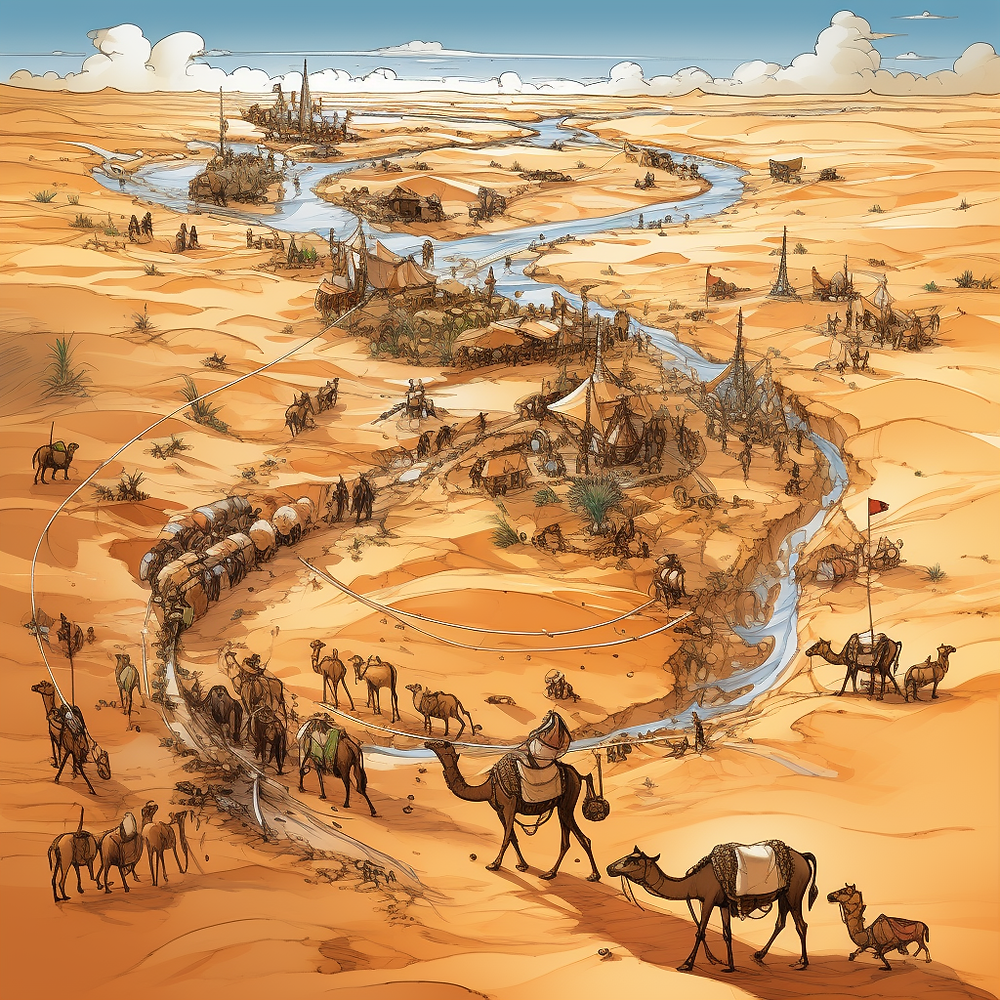
Cod fish sustained the economies of northern Europe for three centuries. And now we can add Peruvian seabird excrement to the list of things that quietly changed the world.
The Chincha story is also a reminder that ecological intelligence, knowing your environment, protecting what it produces and building your economy around its rhythms, is not a modern invention.
These were people who looked at the smelly islands covered in bird droppings and saw infrastructure.That is sophistication in its finest.
So What Are We Missing?
This research raises a bigger question. How many other civilisations built their success on resources we have not looked closely enough at?
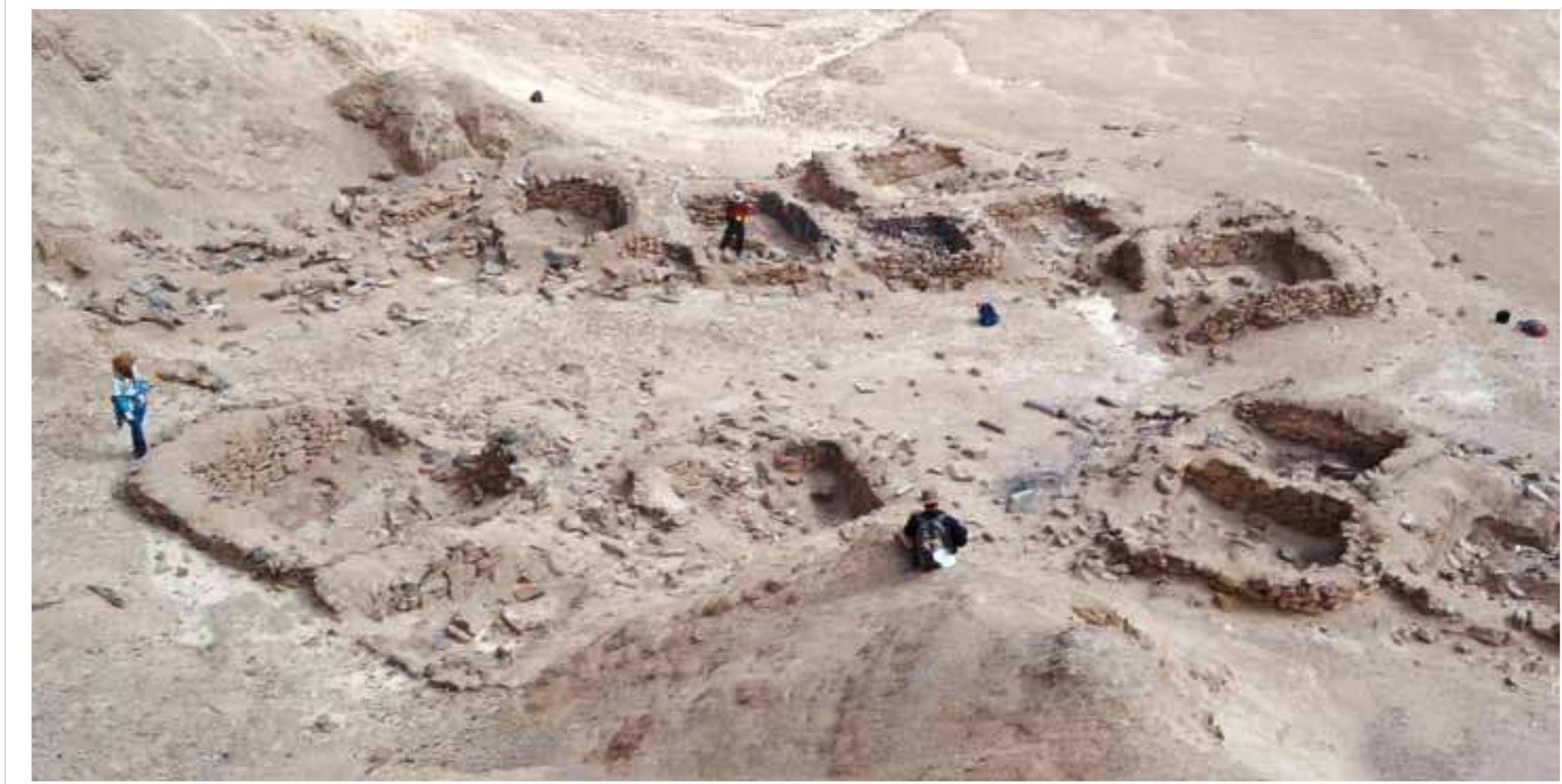
Africa, for instance, has ancient kingdoms whose agricultural foundations are still understudied.
What made the soils of the Niger Delta so productive? What ecological knowledge did early Nok civilisation carry that we have not discovered yet?
Bird poop built an empire and the lesson is that the most transformative forces in history are often hiding in plain sight because they are not glamorous enough to seem important.
History, it turns out, has always smelt a little funny.