Always Online: The Psychology Behind Our Phone Addiction
This article explores the psychology behind our obsession with smartphones—how dopamine, FOMO, and digital culture keep us constantly scrolling—and offers practical ways to reclaim focus and balance in an always-online world.
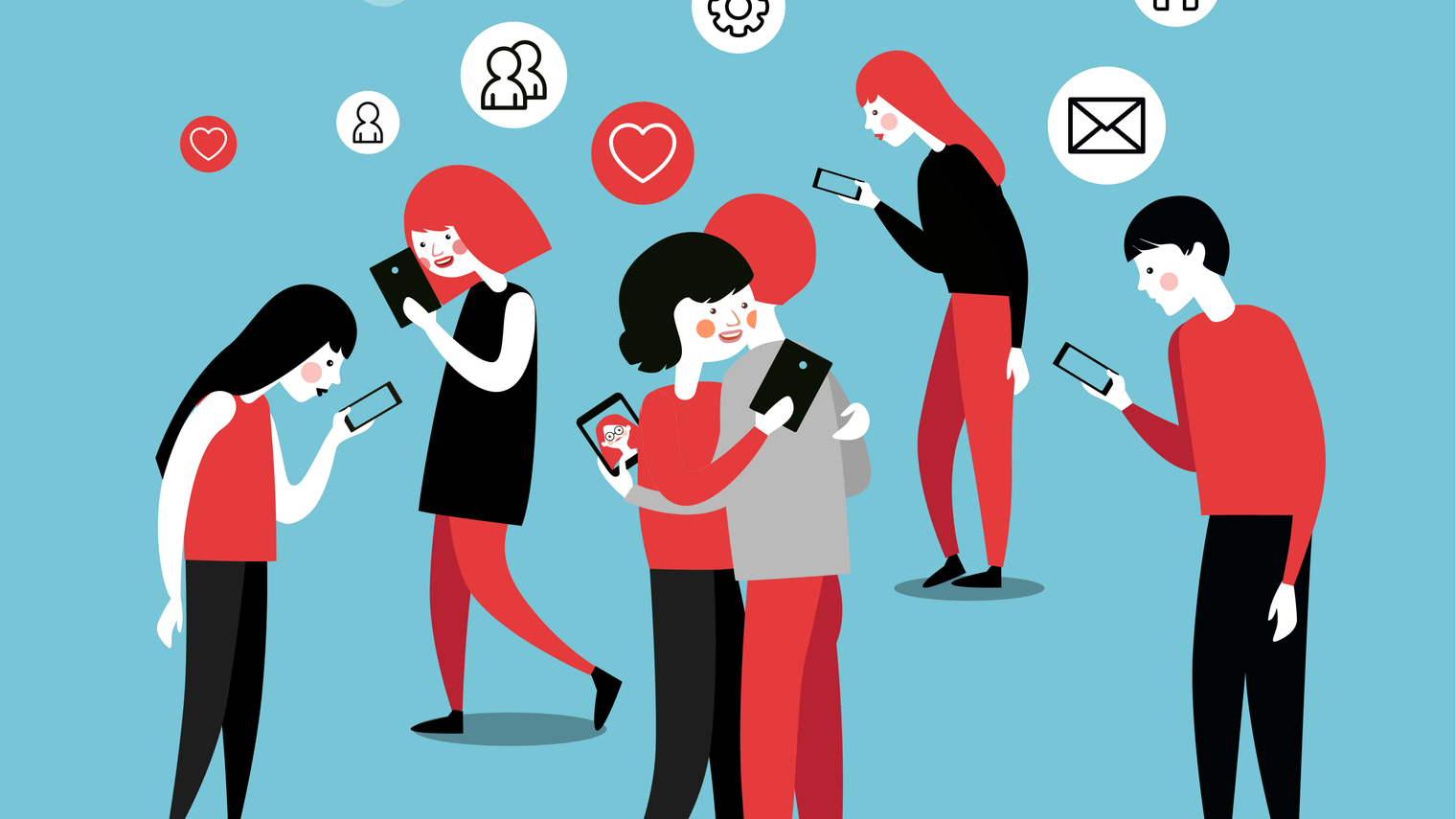
At 1:37 a.m., Sharon is still yet to put down her phone. She promised herself she would be asleep by 11 p.m., but somehow, she has scrolled through Instagram reels, replied to DMs, checked her work Slack, then watched a three-minute video on “How to make iced coffee with Milo.”
Now her eyes sting, her neck aches, and her battery is at 7%. She sighs, locks her phone, and flips it face down. But two seconds later, the screen lights up again — someone just liked her story. Without thinking, she picks it up.
We have all been Sharon. Maybe not at 1:37 a.m., but somewhere between a group chat notification, a trending meme, and a “Hey, you up?” text, we have found ourselves trapped in that endless scroll. We are, as some psychologists have put it, the “most connected yet most distracted” generation in human history.
But how did our phones manage to infiltrate every waking moment of our lives? Why does it feel almost painful to stay away from them for too long? To understand our collective addiction, we have to look beyond the apps and screens, deep into the human brain, culture, and the subtle mechanics of digital gratification.
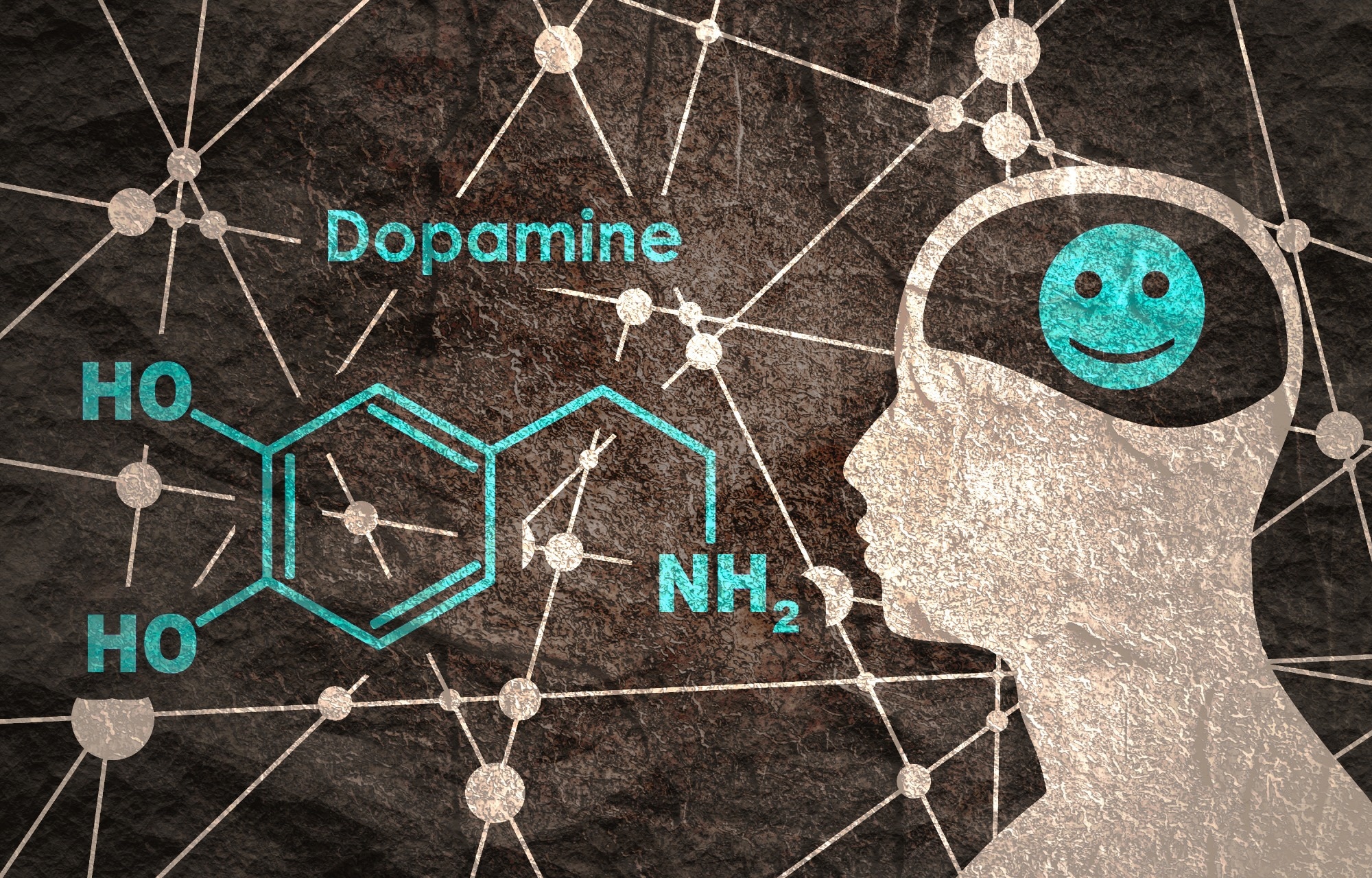
The Dopamine Loop: How Your Brain Got Hacked
Let us start with the science. Every ping, like, and message triggers a small release of dopamine, the brain’s “feel-good” chemical associated with reward and pleasure. It is the same neurotransmitter involved in gambling, sugar cravings, and even drug addiction.
Social media and app developers know this. In fact, they have built entire user experiences around it. That is why notifications are red (a colour that naturally grabs attention), why you have to pull down your feed to refresh and why “likes” appear one after another instead of all at once. The sole reason? To keep you hooked just a bit longer.
Psychologists call this the variable reward system.This idea posits that unpredictable rewards keep us coming back more than guaranteed ones.
It is the same principle behind casinos. You do not know when your next dopamine hit will come. It could be a funny meme, a compliment, or a message from your crush but you keep checking, just in case.
That uncertainty turns ordinary phone use into a habit loop: From Cue to Craving to Response and finally the Reward.
And before long, checking your phone becomes as automatic as breathing.
The Fear of Missing Out (FOMO) and Social Validation
Beyond the brain chemistry lies another emotional hook: FOMO, or the Fear of Missing Out.The digital age has made us hyper-aware of what everyone else is doing. Every scroll shows someone vacationing in Zanzibar, celebrating a new job, or attending a concert you didn’t know was happening.
Social Insight
Navigate the Rhythms of African Communities
Bold Conversations. Real Impact. True Narratives.
Our brains interpret exclusion as a form of social pain, almost like physical pain. So when we are away from our phones, we don’t just miss information; we fear being left behind, irrelevant, or invisible.
This fear ties into our innate need for social validation. Each like, retweet, or emoji reaction serves as micro-approval. Over time, we start measuring our worth through metrics like followers, engagement rates, story views. Our phones have become mirrors, reflecting not just our faces but our self-esteem.
And it is not limited to Gen Z or Millennials. Even older generations have slipped into the digital maze, from Facebook aunties monitoring “engagement” to uncles forwarding WhatsApp quotes at dawn.
The need to belong is universal; smartphones just made it quantifiable.

The Myth of Productivity and Connection
We like to tell ourselves we use our phones to stay “productive” or “connected.” That is partly true. For some people, our phones are our offices, classrooms, and maps. But they also blur the boundaries between work, rest, and play.
You check an email at midnight, reply to a WhatsApp message during dinner, or switch from watching a sermon clip to bingeing TikTok dances, all without realizing how seamlessly distraction masquerades as engagement.
Studies show that the average person checks their phone 96 times a day and that is once every ten minutes. The irony? While smartphones were meant to save time, they often fracture it. Instead of long stretches of focus, we now live in a constant state of “partial attention,” hopping between apps and tabs like restless butterflies.
This illusion of multitasking gives us a false sense of control. We feel busy, but not always productive. We feel connected, but not necessarily fulfilled.
Phantom Vibrations and Digital Dependency
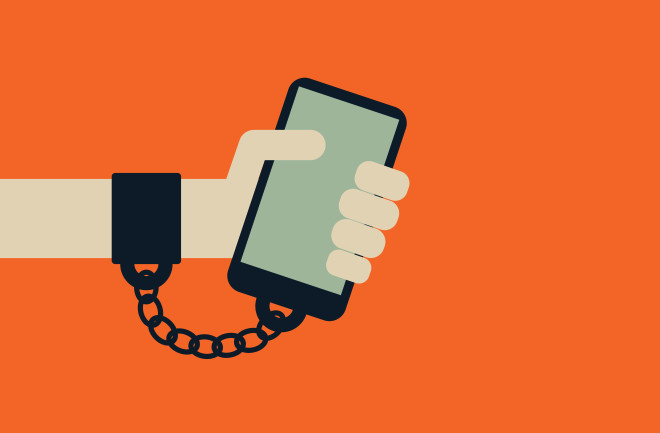
If you have ever felt your phone “vibrate” in your pocket, only to find no notification, you have experienced what psychologists call phantom vibration syndrome. It is the brain’s way of creating false cues after too much phone dependency.
Our bodies are adapting to constant connectivity. Our heart rates spike when our phones die, and anxiety rises when we misplace them. This emotional dependency is why the idea of a “digital detox” feels terrifying.
A 2024 study by the University of Pretoria found that 68% of young Africans experience nomophobia (the fear of being without one’s phone) for even a short period. In urban cities, this is not surprising. Phones are not just gadgets, they are survival tools for work, relationships, and even identity.
Yet, when something that started as convenience becomes compulsion, it is worth asking: who is in control — the user or the device?
Social Insight
Navigate the Rhythms of African Communities
Bold Conversations. Real Impact. True Narratives.
Culture of Constant Presence
There is also a cultural element to our phone habits. Being “reachable” 24/7 has become a modern form of politeness. If someone texts and you do not reply, it is seen as rude or suspicious. The “last seen” and “typing…” features add subtle social pressure to respond.
Then there is the aesthetic layer: the need to document everything. A beautiful meal, a sunset, a random mirror selfie, all must be shared. We do not just live moments anymore, we curate them. Our experiences are filtered through the camera lens before they even settle in memory.
This culture of constant presence blurs the line between living and performing. We are simultaneously the audience and the spectacle, the storyteller and the story.
Breaking the Loop: Small Steps Toward Digital Balance
So, what can we do? The goal is not to demonize technology, it is to reclaim our agency. Here are some practical ways to start:
1. Turn off non-essential notifications. You’ll be surprised how peaceful silence can be.
2. Set screen-free zones like the dining table or bedroom.
3. Use grayscale mode on your phone; it reduces dopamine stimulation by dulling colors.
4. Track your screen time. Awareness often sparks change.
5. Rediscover boredom. Let your mind wander; creativity thrives in silence.
These might sound small, but each act of restraint is a rebellion against the algorithm.
Social Insight
Navigate the Rhythms of African Communities
Bold Conversations. Real Impact. True Narratives.
The Future of Attention
As artificial intelligence and immersive tech grow, our relationship with screens will only deepen. The coming years might bring contact lenses that project messages or neural devices that sync with thoughts. But technology’s evolution does not have to mean our submission.
We can still choose to pause, to look up, to remember that our attention is finite and precious. Because at the end of the day, the most profound experiences which could be the laughter of friends, the warmth of sunlight, the rhythm of life itself exist outside the screen.
Sharon finally puts her phone face down again. This time, she does not pick it up. The room feels quiet, almost unnervingly so. But for once, she allows it.
Because sometimes, being offline is the most human thing we can do.