The Ransom Economy: Inside Nigeria's Billion-Naira Kidnapping Industry
Nigeria's kidnapping crisis has evolved into a billion-naira ransom economy. Explore how banditry, poverty, weak security, and organized crime fuel the industry.
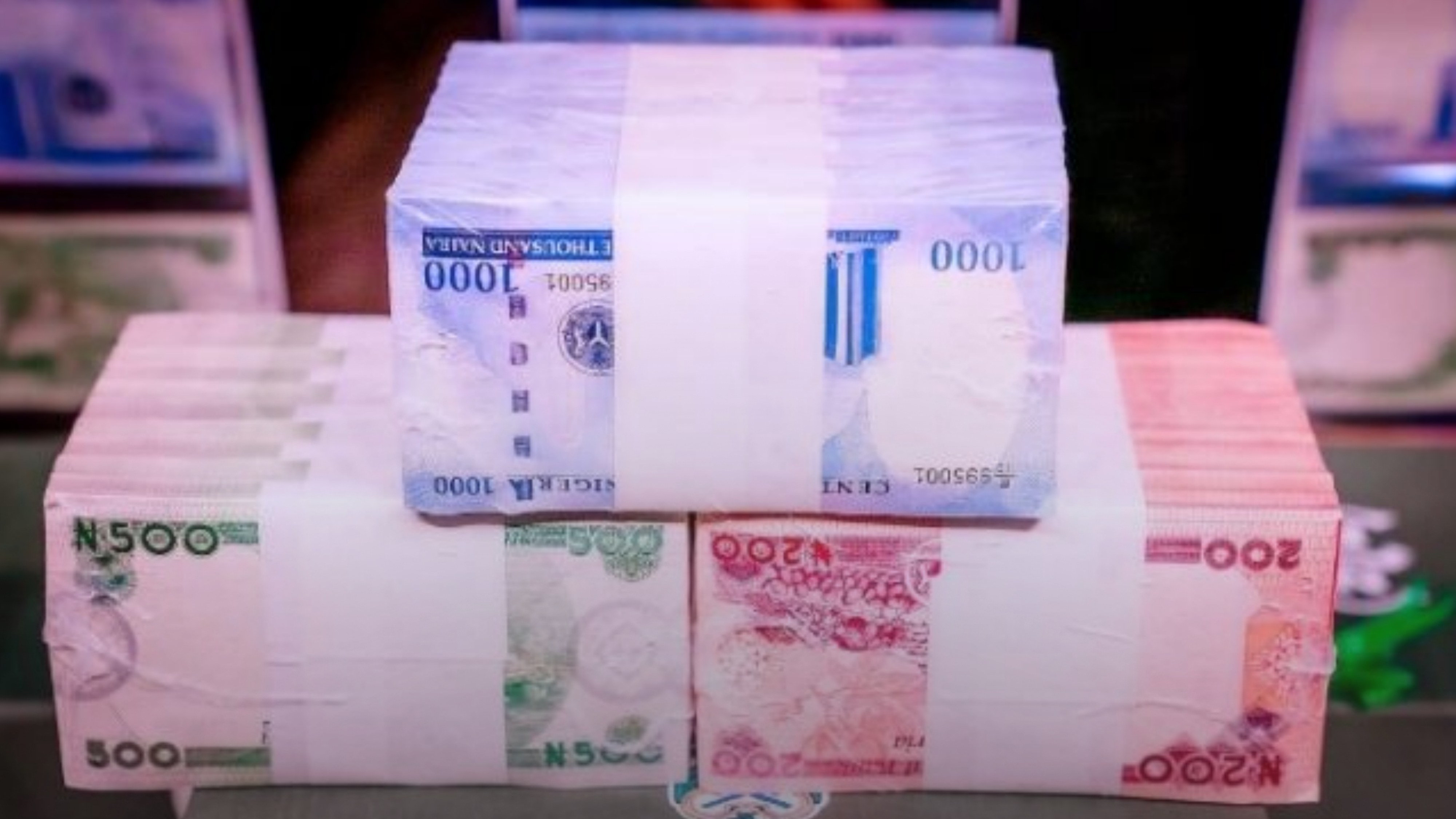
Kidnapping in Nigeria has started to resemble a market and a complete one with suppliers, negotiators and pricing structures shaped by a currency crisis that keeps adjusting the exchange rate of human life.
What used to be described as an unfortunate byproduct of insecurity is now a self-sustaining economy, moving billions of naira a year from frightened families into the hands of men who have learned that fear pays better than farming ever did.
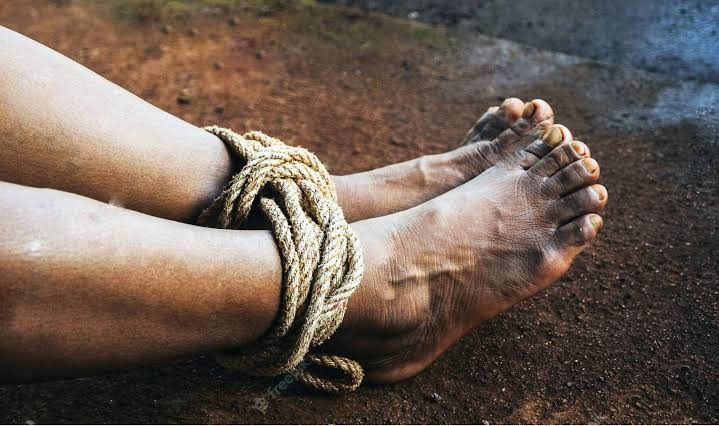
How Nigeria's Kidnapping Economy Began
The ransom economy did not have a pointed pioneer; its earliest commercial form emerged in the Niger Delta in the mid 2000s. Militant groups fighting for a share of oil wealth discovered that foreign oil workers were worth more alive and negotiable than dead.
Groups such as the Movement for the Emancipation of the Niger Delta abducted expatriates from offshore platforms and oil vessels, releasing them only after negotiated payments running into hundreds of millions of naira.
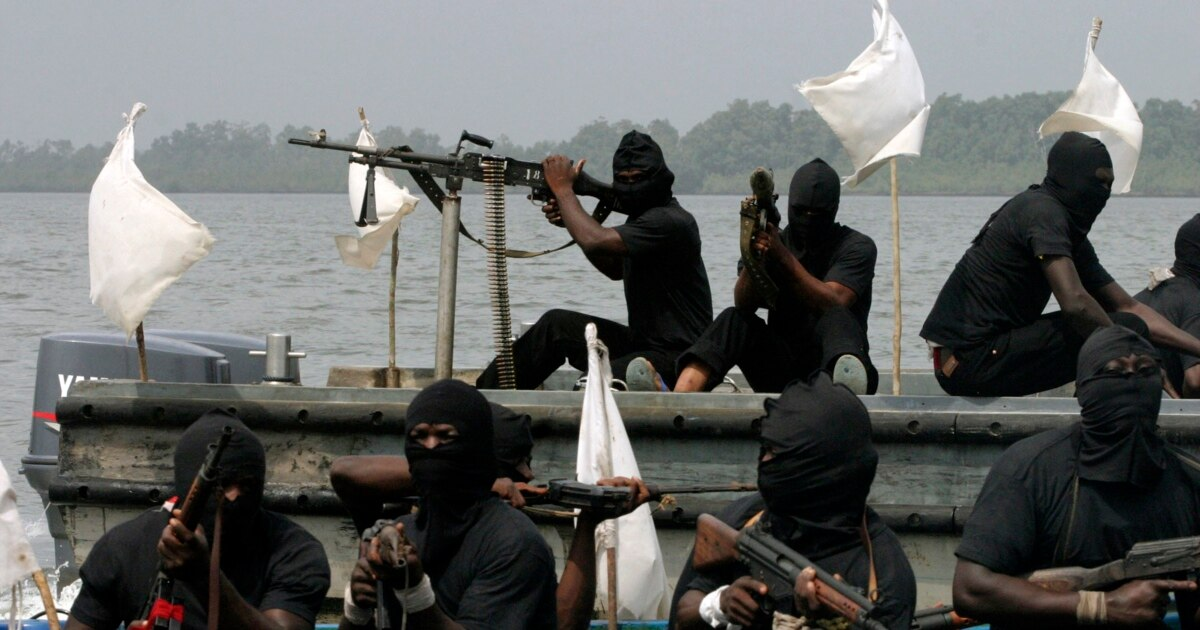
More than 200 foreigners were seized in the creeks between 2006 and the early 2010s and ransom became the accepted and bureaucratic part of doing business in the oil sector.
A 2009 amnesty program calmed the region briefly, but it also taught a generation of young men that abduction pays, very fast.

Evans and the Birth of Urban Kidnapping for Ransom
While the Niger Delta model was maritime, a new industry was forming in Lagos and it was built around abducting wealthy businessmen rather than oil workers. Chukwudumeme Onwuamadike, known nationwide as Evans, became the face of this shift.
Between the early 2010s and his arrest in June 2017, Evans built a criminal enterprise that specialised in abducting pharmaceutical executives, transporters and businessmen on Lagos streets, holding them for months and demanding ransoms in dollars and euros rather than naira.
One victim, a pharmaceutical CEO, was held for 88 days and released after his family paid 223,000 euros. Another was held until his wife raised 420,000 dollars of an initial two million dollar demand.
Evans was eventually convicted and handed a life sentence in 2022, followed by an additional 21 years for a separate abduction. This cemented his title as the billionaire kidnapper.
His downfall proved kidnapping syndicates could be dismantled through patient intelligence work yet it did little to shrink the wider industry. By the time Evans was behind bars, the ransom economy had already migrated from the city street to the rural highway and the scale of what replaced him made his operation look almost crude.
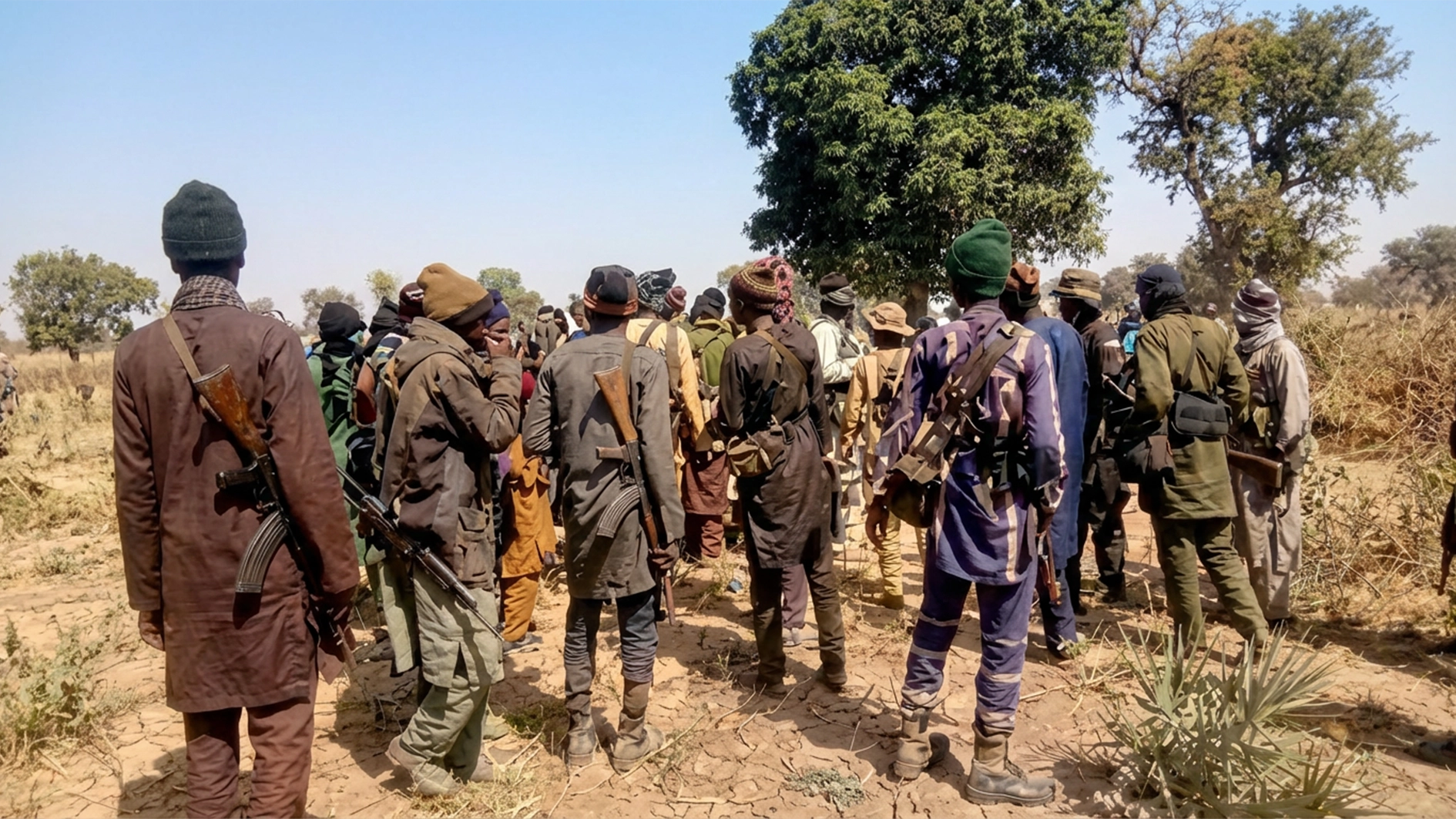
The Bandit Economy Replaces the Lone Kingpin
What followed Evans was not another individual but a decentralised network of armed groups operating across Zamfara, Katsina, Kaduna, Sokoto and Niger states. These bandits, often former herders drawn into cattle rustling before graduating into full-time abduction, now run a rural kidnapping industry that mocks anything the Niger Delta or Lagos ever produced.
Figures such as Bello Turji, a Zamfara warlord who commands dozens of fighters and effectively taxes entire communities, have become synonymous with mass abduction, ambushing highways, storming schools and holding hundreds of villagers at a time in forest camps.
Turji has been publicly declared a target for elimination by successive defence ministers, described by the military as a dead man walking yet he remains active, occasionally staging negotiated releases.

The Billion Naira Numbers Behind the Ransom Economy
The scale of Nigeria's kidnap industry is now measurable. Between 2011 and 2020, Nigerians paid at least 18 billion naira to free relatives from captivity. And it has since gotten worse.
In 2022, roughly 653.7 million naira was paid in ransom, worth about 1.13 million dollars. That figure fell the following year to around 302 million naira before climbing again to 1.05 billion naira in 2024.
Across the twelve months spanning July 2024 and June 2025, confirmed ransom payments reached 2.56 billion naira, even though total demands from kidnappers exceeded 48 billion naira.
In that period, at least 4,722 people were abducted in 997 recorded incidents and 762 died, including 563 civilians. Zamfara alone accounted for 1,203 abductions, while Katsina recorded the highest number of incidents.

One case, the abduction of a Borno State judge in September 2024, generated a ransom of roughly 766 million naira alone. Even the clergy has not been spared, with at least 17 Catholic priests kidnapped in a single year and tens of millions of naira paid quietly by desperate parishes.
Despite this widespread knowledge, these bandits keep evading capture and it points largely to structural failure.
Northwest Nigeria has ungoverned forests; there are an estimated 60,000 illegal weapons in circulation and the border is patrolled by fewer than 2,000 personnel. This gives armed groups room to regroup and rearm after every offensive.
Gold mining sites controlled by bandit networks fund weapons purchases, while some state governments have quietly negotiated with these so-called repentant bandit leaders.
Currency devaluation also worsens it. As the naira weakens, kidnappers demand larger nominal sums to preserve their real income in dollars, keeping the industry expanding.
The Economics That Keep the Ransom Industry Alive
Poverty and youth unemployment are primary factors. They supply an endless pool of recruits willing to trade a rifle for a share of ransom proceeds. Families choose to pay rather than wait for a state response they no longer trust, the distrust reflected in surveys that shows a large majority of Nigerians rate the security forces' handling of insecurity as poor.
Every successful payment reinforces the model for the next gang, turning kidnapping from an act of crime into an accepted, if brutal, feature of the national economy.
Communities that pay repeatedly often sell off livestock, farmland and future harvests and this quietly drains the same rural economies that produce the next generation of recruits, a cycle no single arrest or raid has managed to break.
What Breaking Nigeria's Ransom Economy Would Require
Ending the ransom economy will take more than another high-profile arrest or another declaration that a bandit leader is a dead man walking. It requires tracing and freezing the financial pipelines that move ransom cash into weapons and informant networks, alongside real investment in the rural economies that currently produce more foot soldiers than farmers.
Until those pipelines are disrupted and the poverty that recruits foot soldiers is addressed, Nigeria's ransom economy will keep collecting its billion naira harvest.