7 Ways the Nigerian Education System Was Designed to Produce Workers Not Thinkers
The British built Nigeria’s education system to produce clerks and interpreters for their colonial administration. Nigeria inherited it, kept it largely intact, and has been blaming its graduates ever since. Here are 7 ways that original design is still working exactly as intended
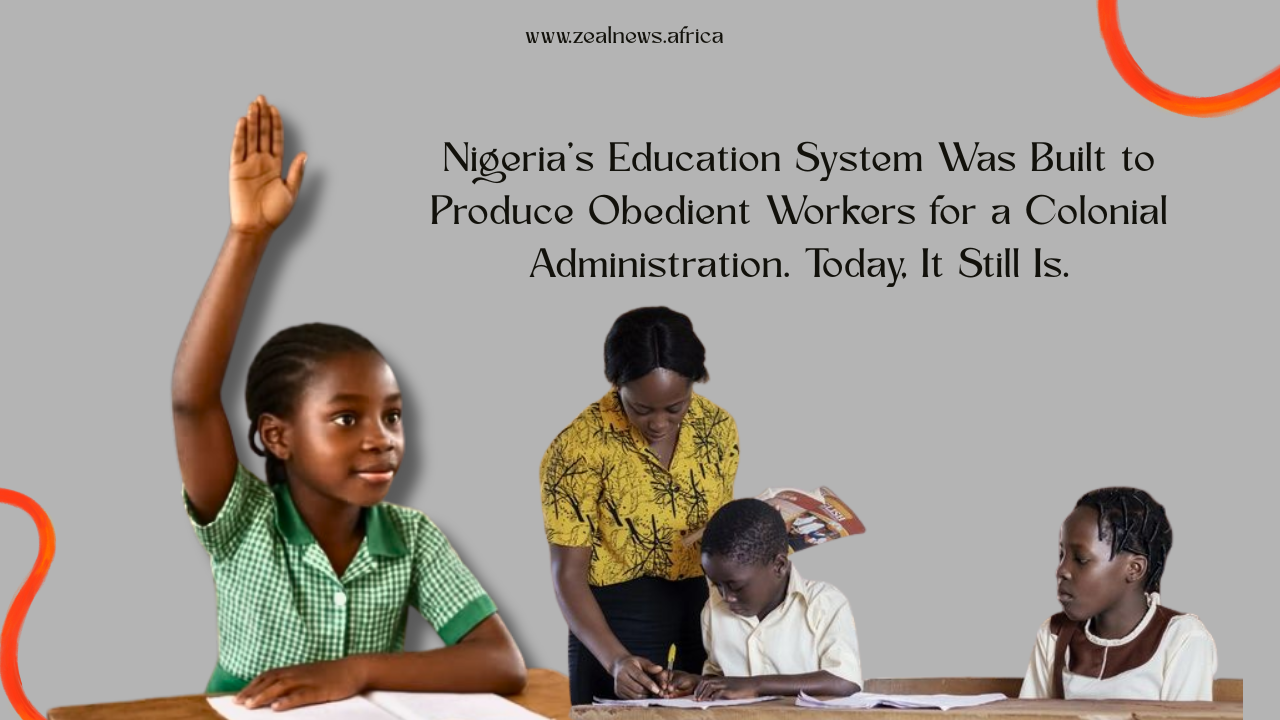
Somewhere in Nigeria right now, a child is memorising a list of facts they will never use again. Not understanding them, not questioning them, and also not connecting them to anything real in their life.
Just committing them to memory long enough to reproduce them on an exam, after which they will evaporate. The child will pass. The teacher will move on to the next topic. The cycle will continue.
This is not a bug in the Nigerian education system. It is, historically, the feature. The system was not designed to produce thinkers.
It was designed to produce obedient, useful workers for a colonial administration that needed clerks, teachers, interpreters, and low-level bureaucrats. The British built that system deliberately. Nigeria inherited it, kept it largely intact, and has been blaming the products of it ever since.
Here are seven ways that design is still showing up in 2026.
1. It Was Built to Create Clerks, Not Leaders
Education was intended to produce a small cadre of literate Africans, clerks, interpreters, teachers, and technicians, who would assist in governance without challenging colonial authority.
That sentence is the foundation of everything else on this list.
The British were not trying to educate Nigerians in any meaningful sense of the word. They were trying to produce a functional labour force for their administrative machine.
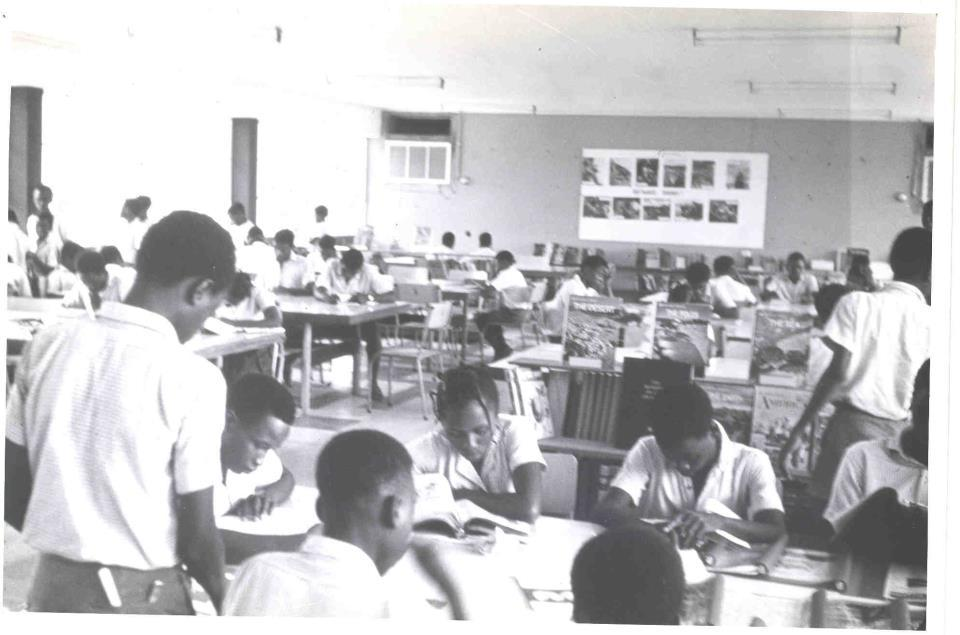
The curriculum was designed to produce people who could follow instructions, fill in forms, and assist their colonial superiors, not people who could think critically about the world they lived in or question the system governing them.
The purpose of education was to make loyal and submissive subjects of the state who would serve as a cog in the wheels of the exploitative colonial machine.
2. Memorisation Was Always the Point
Walk into almost any Nigerian classroom and the dominant activity is memorisation. The ability to reproduce information is rewarded.
The ability to analyse, question, or reframe it is barely assessed at all.
The colonial brand of education viewed education as a central body of essential knowledge that must be transmitted to all who came to school. With this type of education, the Nigerian teacher was expected to be the transmitter of this central body of knowledge.
The teacher talks, the student writes, the exam comes, the student reproduces what the teacher said. Nobody asks whether the information is relevant, whether it applies to anything real, or what should be done with it.
Social Insight
Navigate the Rhythms of African Communities
Bold Conversations. Real Impact. True Narratives.
Students memorise facts to pass exams, teachers rush to complete the syllabus, and education officials track school success by the number of children registered, not by what or how they learn.
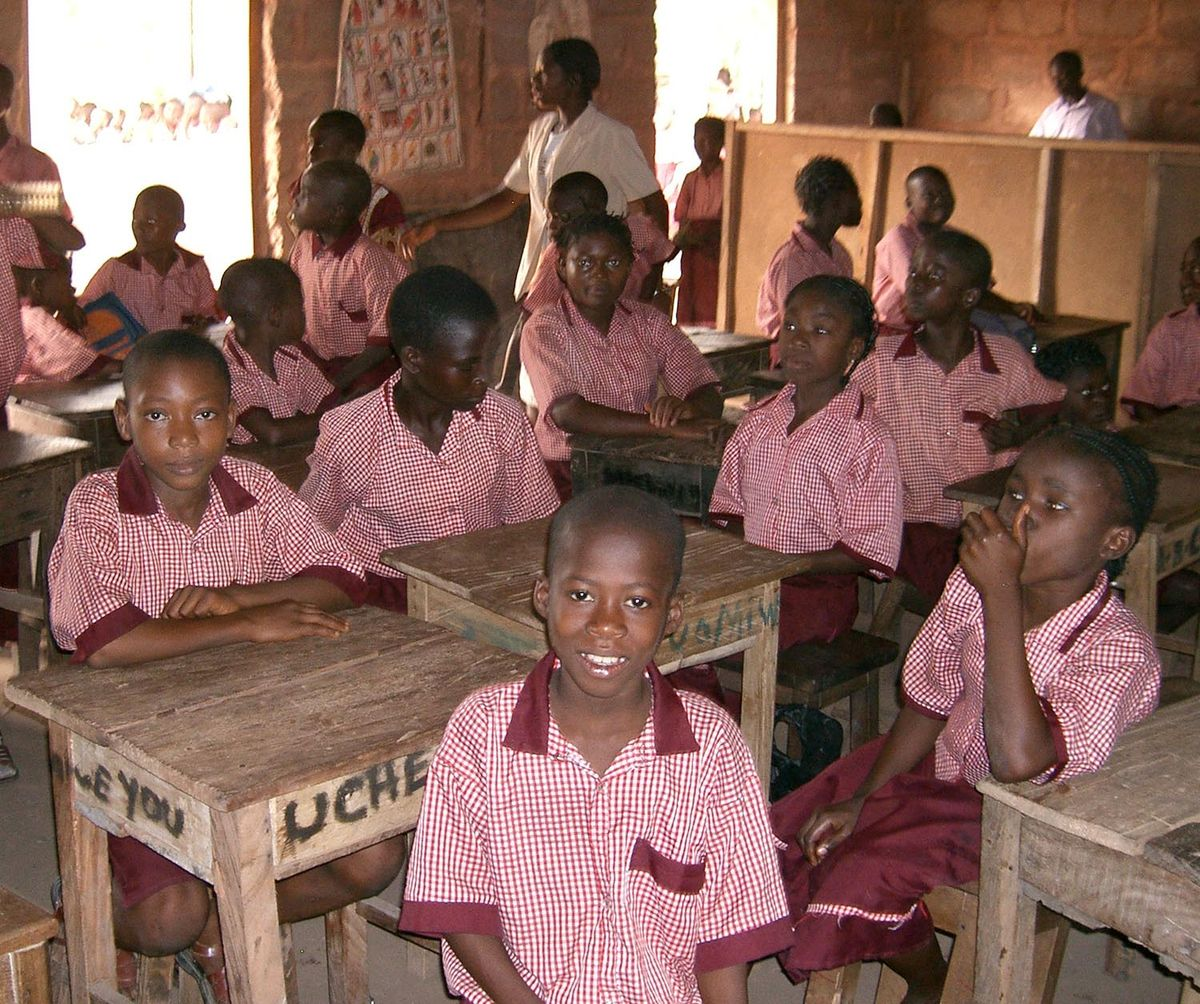
3. It Created a Two-Tier System That Still Exists
From the beginning, colonial education was never meant to be universal. The 1882 Education Ordinance established government-controlled institutions with the goal of producing a small educated elite to assist in colonial administration.
The British created a stratified educational system in the early 1900s to further the objectives of the colonial government and restrict the number of Nigerians who obtained formal education.
The elite schools trained the people who would run things at a level the British permitted. Everyone else received a more basic version of schooling designed to produce lower-level workers.
That two-tier structure never disappeared. Today it shows up as the gap between federal government colleges, the best private schools, and the crumbling public schools that the majority of Nigerian children attend.

Children born to wealthy families access one kind of education. Children born to everyone else access another. The quality gap between those two systems is enormous and growing, and it produces adults with fundamentally different capabilities before they have ever competed for anything.
4. Critical Thinking Was Actively Suppressed
The state adopted a curriculum that emphasised character formation and vocational training and neglected teaching the students critical thinking and advanced sciences.
Questioning a teacher in a Nigerian classroom is still, in many schools, treated as a form of disrespect. The teacher is the authority.

The textbook is the truth. The student’s job is to receive, not to interrogate. This is not a cultural accident. It is the direct inheritance of a colonial classroom model where a student who asked too many questions was a problem, not an asset.
5. Success Was Defined by Paper, Not Skill
The obsession with certificates in Nigeria is real and documented. The degree. The WAEC result, the professional qualification; these pieces of paper have enormous social and economic weight, and the system has been optimised entirely around acquiring them.
This policy which is geared towards making the student literate enough to read and write is not enough to form critical thinkers who can develop innovative ideas and technology to propel a genuine development of Nigerian society.
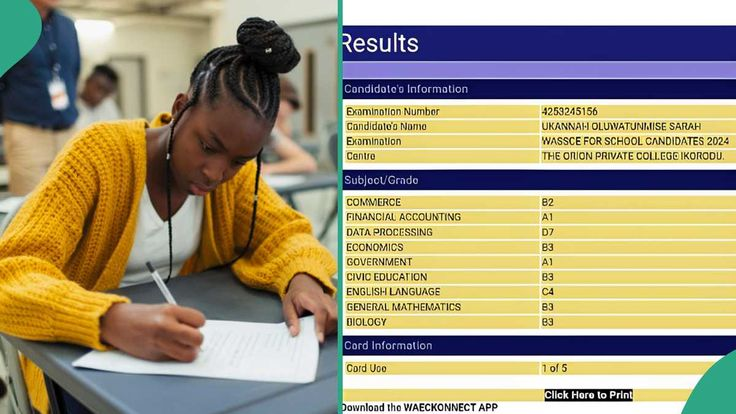
The certificate was all the colonial administration needed from its Nigerian workers. A document proving that the holder could perform a basic function.
The skill behind the document mattered far less than the document itself. That logic has persisted and metastasised into a culture where the pressure to get a degree is enormous but the pressure to actually learn something is considerably lower.
This is why employers complain that Nigerian graduates cannot write a coherent email, cannot solve problems independently, and cannot function in environments that require initiative. The system they graduated from never asked them to do any of those things. It asked them to pass exams.
6. It Still Has Not Been Fundamentally Reformed
Everything above would be historical if the system had been genuinely reformed since independence. It has not.
Social Insight
Navigate the Rhythms of African Communities
Bold Conversations. Real Impact. True Narratives.
It has been established that the effects of colonisation can still be felt in the Nigerian education sector which had continued to depend on the curriculum handed over from the colonial masters, which had rendered graduates of various institutions unqualified and unfit to meet the demands of their society.
There have been policy changes. There have been national conferences. There have been curriculum reviews.
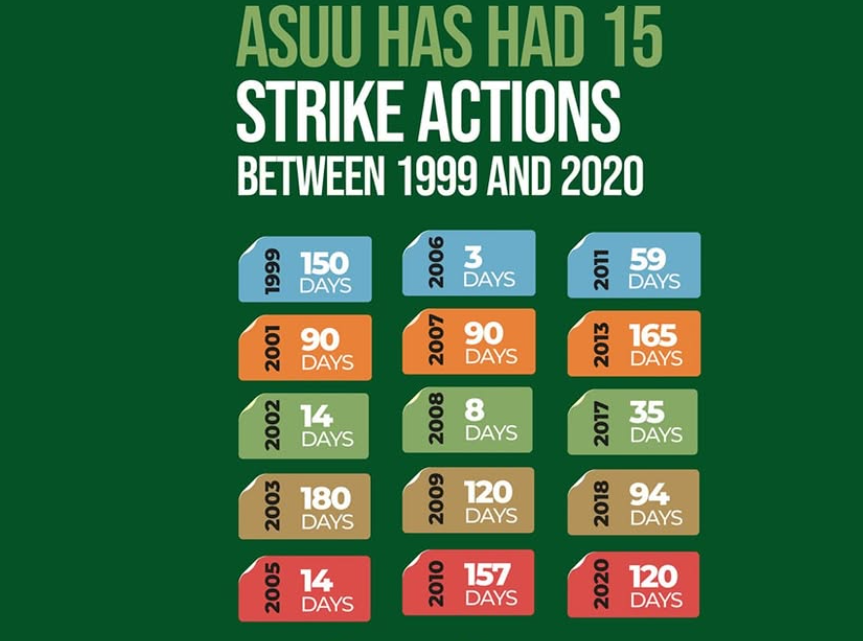
The number of times ASUU has gone on strike is enough to suggest that even the people inside the system know something is deeply wrong.
But the fundamental architecture, the teacher-centred classroom, the exam-focused assessment, the certificate-as-destination, the suppression of curiosity, the disconnect between schooling and real life, remains largely unchanged.
The children sitting in those classrooms right now are being processed by a machine that was built to serve an empire. The empire is gone. The machine is still running.
And until Nigeria decides to design an education system for what its people actually need rather than what its colonisers required, the graduates coming out of it will keep being blamed for the failure of a system that was never designed to make them thrive.