68% of New Hepatitis B Cases Are in Africa—What This Means for Nigeria
Africa accounts for 68% of new hepatitis B infections, and Nigeria sits at the centre of the crisis. With 14.4 million Nigerians living with HBV and major gaps in vaccination and treatment, what must change before 2030?
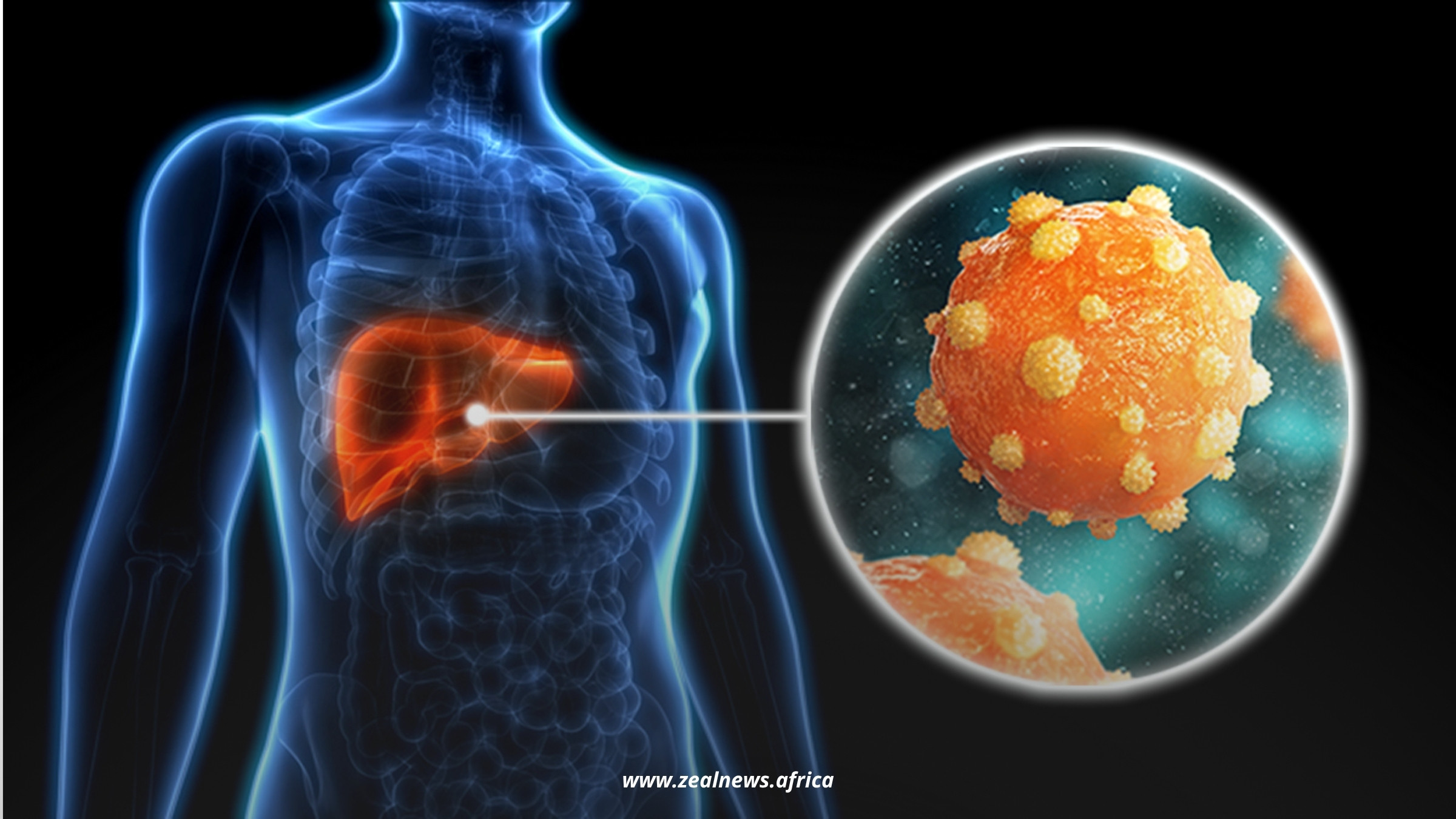
The WHO's 2026 Global Hepatitis Report, released at the World Hepatitis Summit in Bangkok, puts a stark number on Africa's position in the hepatitis B epidemic. The WHO African Region accounted for 68% of new hepatitis B infections in 2024.
That same year, 0.9 million people were newly infected with hepatitis B globally. If you do the math and you are looking at roughly 612,000 new cases on one continent in a single year.
Within that crisis, Nigeria sits near the very centre.
Nigeria's Numbers
Nigeria has the highest burden of hepatitis B virus infection in sub-Saharan Africa. The most recent nationally representative data puts prevalence at 5.4% in 2022, corresponding to approximately 14.4 million people living with HBV.
For context, that is more people than the entire population of Zambia walking around with a chronic viral infection that quietly destroys liver tissue over decades. In 2022 alone, approximately 46,000 deaths were attributed to the virus in Nigeria.
The numbers are not uniform across the population. Available data indicate sociodemographic disparities in HBV prevalence, with higher rates among men, adults over 18 and rural dwellers.
Among the most exposed are healthcare workers, with reported prevalence rates of 1.1% to 25.7%. This is a range that is so wide it reflects how little standardised testing and vaccination exists even within medical settings.
Blood donors stand in at 13.2% to 14.0%, which should be alarming given Nigeria's persistent blood safety gaps.
Why Africa Carries This Weight
The 68% figure did not just appear in the chart. It is the product of structural failures that have compounded across generations.
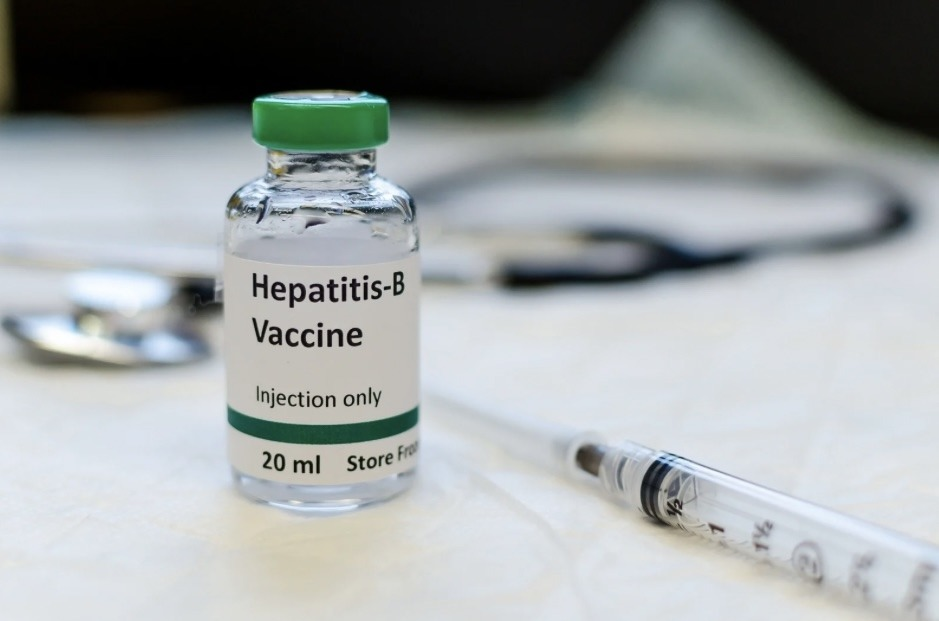
The most glaring is the birth-dose vaccination gap. Only 17% of newborns in the African region received the hepatitis B birth-dose vaccination and this despite the fact that the hepatitis B vaccine, when administered within 24 hours of birth, is over 95% effective at preventing mother-to-child transmission.
Hepatitis B spreads most efficiently from mother to newborn and an unvaccinated infant born to an infected mother has a 90% chance of developing chronic infection.
Most of Africa's hepatitis B burden today is the legacy of this transmission chain, playing out for decades without adequate interruption.
In Nigeria, the hepatitis B vaccine is part of the National Programme on Immunisation, but the birth-dose, which must be given within hours of delivery, has historically had poor coverage, particularly in rural areas and among women who deliver outside health facilities.
The Treatment Gap Is Worse
Being infected is one problem. Being diagnosed and treated is an entirely different battle.
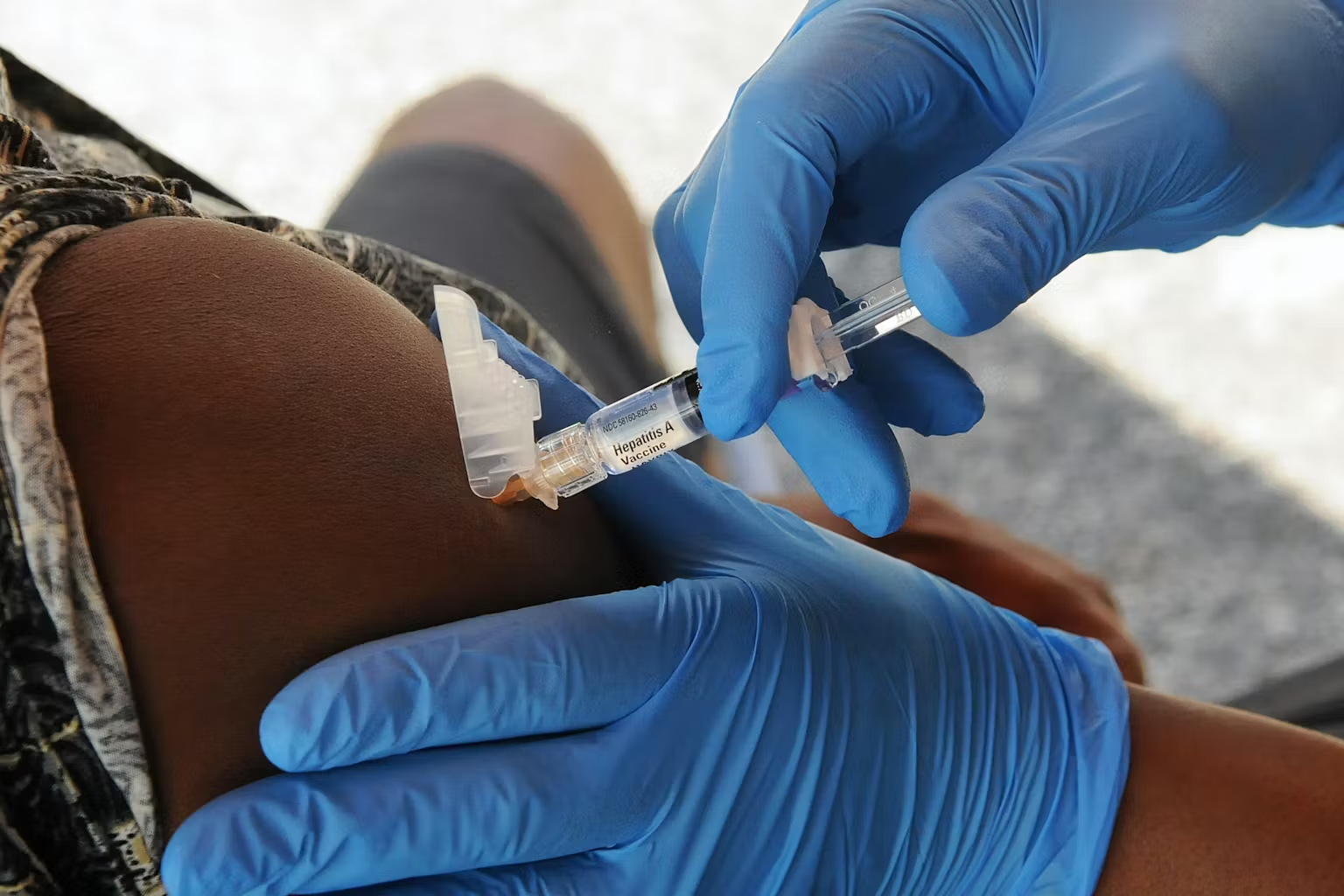
Globally, fewer than 5% of people with chronic hepatitis B were receiving treatment in 2024.
In Nigeria, the gap is, by all available indicators, very grim. The majority of hepatitis treatment in Nigeria is provided at tertiary level services, which means it is inaccessible to the rural populations that carry the highest burden of infection.
The WHO report also shows in the global poll with Nigeria in it ten countries that accounted for 69% of hepatitis B-related deaths worldwide in 2024.
On that same list is Bangladesh, China, Ethiopia, Ghana, India, Indonesia, the Philippines, South Africa and Vietnam, and this tells you everything about how concentrated, and how preventable, this crisis is.
What Nigeria Has and Has Not Done
Nigeria developeda National Viral Hepatitis Strategic Plan with elimination goals aligned to the WHO's 2030 targets.

Testing campaigns have been organised by NGOs, state health ministries and institutions like the Institute of Human Virology Nigeria.
Tenofovir, the frontline antiviral for chronic hepatitis B, is available in public hospitals but inconsistently, and rarely free.
Awareness remains dangerously low as many Nigerians who are living with hepatitis B do not know it, because it is asymptomatic in its early chronic stages.
By the time symptoms like fatigue, jaundice, abdominal swelling, emerges, the liver damage is often already severe.
What the 2030 Target Actually Requires
The WHO's elimination target calls for a 90% reduction in new infections and a 65% reduction in mortality by 2030. Current rates of progress are insufficient to meet all 2030 elimination targets.
For Nigeria specifically, reaching those targets would require dramatically expanding birth-dose vaccination coverage, universal antenatal screening, decentralised treatment access down to primary care level, and sustained government financing. None of these are currently in place at the required scale.
The WHO report notes that stronger political commitment and financing, improved coverage of hepatitis B birth-dose vaccination, and expanded antiviral prophylaxis to prevent mother-to-child transmission are needed, particularly in the African Region.
Nigeria checks every box for where intervention is most urgently needed.
The question is whether the country's health policy architecture will move with the speed this moment demands, or whether 2030 will arrive with 14 million Nigerians still carrying a virus that the world already knows how to prevent.