6 Smart Ways to Save Money in This Economy, Whether You Have a Salary Or A Business.
Whether you earn a salary, run a small business, or hustle without a steady income, these 6 practical saving tips, including how to handle black tax and separate your accounts, will help you build financial stability in a tough economy.

We all know that saving is not just keeping money aside. It is discipline and saving money in this economy is hard, genuinely hard, not just uncomfortable.
You can be saving money for a rainy day, and rain starts falling the next morning. Before you even think about opening your umbrella, the emergency is already inside the house, and you've spent all the money you've stacked up.
Prices are not just rising, they are sprinting. If you earn a salary, you already know the way your pay date feels like relief on Monday and history by the weekend.
If you run a small business, you know the particular pain of watching revenue come in and watching it leave faster than it arrived.
And if your income is irregular, freelance work, gigs, trade, hustle, you understand that saving can feel like a joke the economy is playing on you personally.
But here is the thing: saving is not about how much comes in. It is about how intentional you are with what passes through your hands.
These six ways are for all three of you, the salary earner, the business owner, and the person making it work without either way.
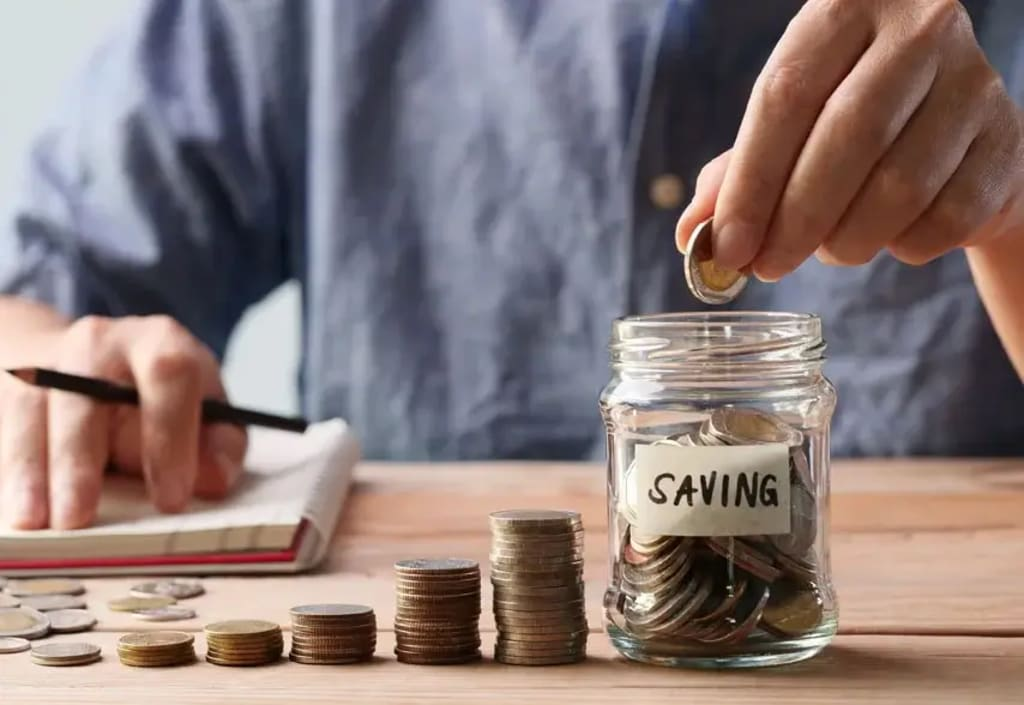
Pay Yourself First — Before the Money Finds Somewhere Else to Go
The moment money enters your account, salary, business profit, freelance payment, or side hustle, move a percentage into savings immediately.
This should not be done after bills or after replenishing your groceries. First. For salary earners, set up an automatic transfer that fires the same day your alert drops. For business owners, treat savings as an operating expense, not an afterthought.
For those with irregular income, percentage-based saving works better than fixed amounts, some months it is 5%, some months 15%, the consistency is what matters.
If you wait to save what is left, there will rarely be anything left. In this economy, unexpected expenses do not knock, they just walk in.
Cut Spending Before You Convince Yourself You Can't
Track your spending for two weeks. Not forever, just two weeks. If you're a salary earner, you would discover that the combination of daily lunch, transport, and subscriptions quietly adds up to a second rent.
For small business owners, you might realize that you have been absorbing personal expenses into the business without noticing, and people with irregular income sometimes find that the months they earned the most were also the months they spent the most, with nothing to show for it.
Small spending does not feel heavy individually. Combined, it quietly competes with your savings and usually wins.
Stop Letting Income Growth Become Lifestyle Growth
When a salary earner gets an increase, the first instinct is to upgrade the standard of living. When a business starts growing, most owners start spending as if the growth will last forever.
When income picks up for someone with irregular earnings, it feels like permission to finally breathe, and breathe expensively. Lifestyle creep is the habit of letting your expenses rise in direct proportion to your income, which means your savings never actually grow.

Keep your lifestyle steady for a while when income rises. Direct the difference into savings, emergency funds, investment, or back into the business. Today's high income can slow down next month, in this economy, that is not pessimism, it is pattern recognition.
Separate Your Accounts — Business, Personal, and Savings Are Not the Same Pot
This one is especially for small business owners, but salary earners and irregular earners need to hear it, too. Running everything through one account is how money disappears without a clear reason.
Business owners who mix business revenue with personal spending cannot track profit, cannot manage cash flow, and often cannot understand why a busy month still feels broke. Open a dedicated business account. Open a separate savings account. Keep your personal spending account separate from both.
For salary earners, this means your savings account should not be the same account your debit card draws from. For irregular earners, separating income streams by account makes it easier to see what is actually saved versus what is just sitting there waiting to be spent.

Use the 24-Hour Rule — and Create a Fun Fund So You Don't Snap
Before buying anything non-essential, wait 24 hours. This applies whether you are a salary earner eyeing a gadget on payday, a business owner tempted to upgrade equipment before you actually need to, or a freelancer whose best month in three landed and suddenly everything looks purchasable. Impulse spending is now easier than ever, a few taps, and money is gone before logic arrives.
At the same time, set aside a small amount monthly as a deliberate fun fund, for food, outings, treats, whatever makes the discipline feel sustainable. Saving should not feel like punishment.
When people restrict themselves completely, they eventually break and overspend. Intentional enjoyment is healthier than emotional splurging.
Budget for Generosity and Black Tax — Because Ignoring It Won't Make It Go Away
This one is uncomfortable to say out loud, but it needs to be said. Black tax, the financial responsibility many people carry for family members who depend on them, is real, it is heavy, and in most cases, it is not going anywhere. For the salary earner, it is the younger sibling's school fees and the parents' medication.
For the business owner, it is the relative who assumes your business means you have money to spare. For the irregular earner, it is contributions, burials, weddings, and emergencies that arrive on someone else's schedule.
The mistake most people make is not budgeting for this at all, which means every request becomes a crisis that raids the savings. Instead, build generosity into your budget deliberately.
Always decide in advance how much you can give each month without destroying your own financial stability. It is not selfish to have a limit. You cannot take care of others from an empty account.
Helping people to your own detriment is not generosity, it is a slow financial emergency that nobody talks about until it becomes impossible to ignore.
Saving money in this economy will not always feel possible. Some months, it will feel impossible. But the goal is not perfection, it is consistency. Save what you can, when you can, and protect what you save. That is the whole strategy.