Zambia on Edge: Countdown to 2026 Polls Ignites Political Firestorm!
Zambia heads to the polls on August 13, 2026, amidst a charged political atmosphere marked by concerns over electoral fairness and economic challenges. The election is largely a contest between incumbent President Hichilema and challenger Mundubile, whose campaigns reflect differing visions for the nation's future. Allegations of state interference and electoral malpractice are juxtaposed with calls for peace and transparent processes from civil society and regulatory bodies.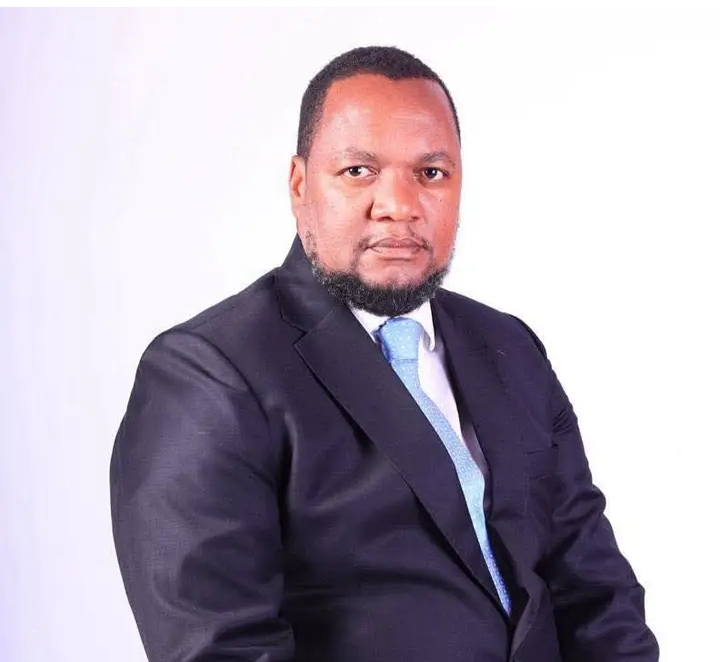
Zambia is on the brink of its General Elections scheduled for August 13, 2026, an event that has ignited significant debate and controversy surrounding the electoral environment, economic conditions, and the integrity of the process. Civil society organizations have collectively voiced concerns about the fairness and transparency of the elections, specifically highlighting issues such as an unequal political playing field, incidents of electoral violence, the alleged utilization of government programs for electoral advantage, and access to voter education for accredited stakeholders. These groups have urged the Zambia Police Service to maintain impartiality in handling electoral violence and implored the Electoral Commission of Zambia (ECZ) to ensure full transparency in polling, vote counting, verification, and results management. Furthermore, they have appealed to all political parties and their supporters to uphold peace, security agencies to act professionally, and the media to offer fair and balanced coverage.
The upcoming election is widely characterized as a two-horse race between incumbent President Hakainde Hichilema of the United Party for National Development (UPND) and challenger Brian Mundubile, who emerged at the head of the National Reconciliation Party for Unity and Prosperity (NRPUP), part of the Tonse formation/Alliance. Despite 14 presidential candidates contesting, Mundubile is perceived as a serious challenger with a credible path to victory, having been regarded as a favorite in pre-election assessments. His campaign narrative emphasizes 'survival against the odds,' having built a new political vehicle and consolidated alliances following the death of former president Edgar Lungu in 2025 and subsequent opposition turmoil. Mundubile's strongest electoral opportunity lies in the 'kitchen-table economy,' focusing his manifesto on job creation, reducing the cost of living, economic transformation, and ethical leadership. He critically questions whether ordinary Zambians are materially better off than five years ago, contrasting his promises with Hichilema's record. Conditions for a Mundubile victory include widespread economic dissatisfaction, strong voter turnout in areas receptive to his candidacy, and the consolidation of opposition votes.
The UPND, under President Hichilema, is targeting five million votes, a strategy that necessitates defending its strongholds, remaining competitive in key urban provinces like Lusaka and the Copperbelt, consolidating Central Province, expanding substantially in Eastern Province, and extracting more votes from the northern belt (Northern, Luapula, and Muchinga) than in 2021. Analysis of the 2021 elections shows that even during Hichilema's national landslide, urban battlegrounds like Lusaka and the Copperbelt did not yield the 70 percent anti-incumbent vote often predicted, indicating a more competitive landscape. The UPND's strategy involves 'losing intelligently' in former opposition territories by securing significant minority votes. However, Hichilema faces the challenge of defending an incumbent's record, with cost-of-living pressures remaining a significant vulnerability despite macroeconomic improvements. Dr. Siliya, supporting the current administration, believes Zambia has overcome its most difficult economic challenges, citing debt restructuring and engagement with the International Monetary Fund (IMF) as indicators of progress. She advocates for economic continuity, warning against disrupting the current program, and calls for greater benefits from the mining sector, continued free education, and affordable higher education.
Concerns about the democratic environment are pronounced. Mundubile's campaign has alleged irregularities, including issues with ballot transportation and the accreditation of party agents, and has raised suspicions of 'MINGALATO' or electoral malpractice by the ruling party. Reports of political violence and extrajudicial killings during campaigns have emerged, with one account detailing the stoning of Mundubile's convoy. These incidents are seen as undermining the principle of a level playing field. The Tonse Alliance has further accused the Drug Enforcement Commission (DEC) of a politically motivated raid on its spokesperson George Chisanga's law firm, seizing K7,398,500 in funds, vehicles, and communication equipment earmarked for election mobilization. The Alliance claims K5.5 million had already been utilized for polling agents and monitors, with the remainder intended for Southern Province rallies. They condemned the action as state interference aimed at crippling their campaign. Conversely, Mr. Sampa has dismissed claims of state funds being seized for polling agents as a 'fake story' created by individuals within the Toonse Pamodzi Alliance to pocket donated funds, alleging a pattern of similar behavior from these individuals. Mr. Zulu, representing the NRPUP, claimed the Alliance held its Southern Province rally virtually to preempt a UPND plan to instigate violence, which could then be used to declare a national disaster and cancel the elections. He also warned of immediate load shedding if the UPND secures a second mandate.
In response to the volatile environment, the Inspector General of Police, Graphel Musamba, announced the deployment of police officers nationwide to enhance visibility, improve response times, and reassure communities, ensuring citizens can vote freely and peacefully. He urged voters to return home after casting their ballots and warned against loitering near polling stations. The Independent Broadcasting Authority (IBA) Director-General, Webster Malido, issued a warning to broadcasters against airing speculative election results, campaign interviews, or predictions of electoral outcomes before official announcements by the ECZ. Broadcasters were reminded to provide accurate, balanced, and fair coverage, avoid unofficial sources, and refrain from hate speech or misinformation. The ECZ has also been actively managing the accreditation process for election observers and monitors, providing additional kits to meet the growing demand, with an average of three observers and monitors per polling station ensuring comprehensive coverage.