Your Perfume Might Be Messing With Your Hormones
Smelling good shouldn’t come at the cost of your health. Everyday perfumes contain endocrine-disrupting chemicals like phthalates, musks, and parabens that can affect hormones, fertility, and long-term wellbeing. Learn what’s in your bottle and how to protect yourself.
Spraying perfume before you leave the house is one of those habits that feels completely harmless and an essential contribution to society. It holds the same importance as brushing your teeth — automatic, daily and non-negotiable.
Smelling good has become tied to how put-together you appear, how attractive you are, how seriously people take you in a room.
However, while you are spritzing your wrists and dabbing your neck, a class of chemicals called endocrine disruptors may be quietly working against your body.
What Is Actually In That Bottle
Perfume is not just water and flowers. A single fragrance can contain hundreds of synthetic chemicals, many of which are never listed on the label because fragrance formulas are legally protected as trade secrets in most countries.
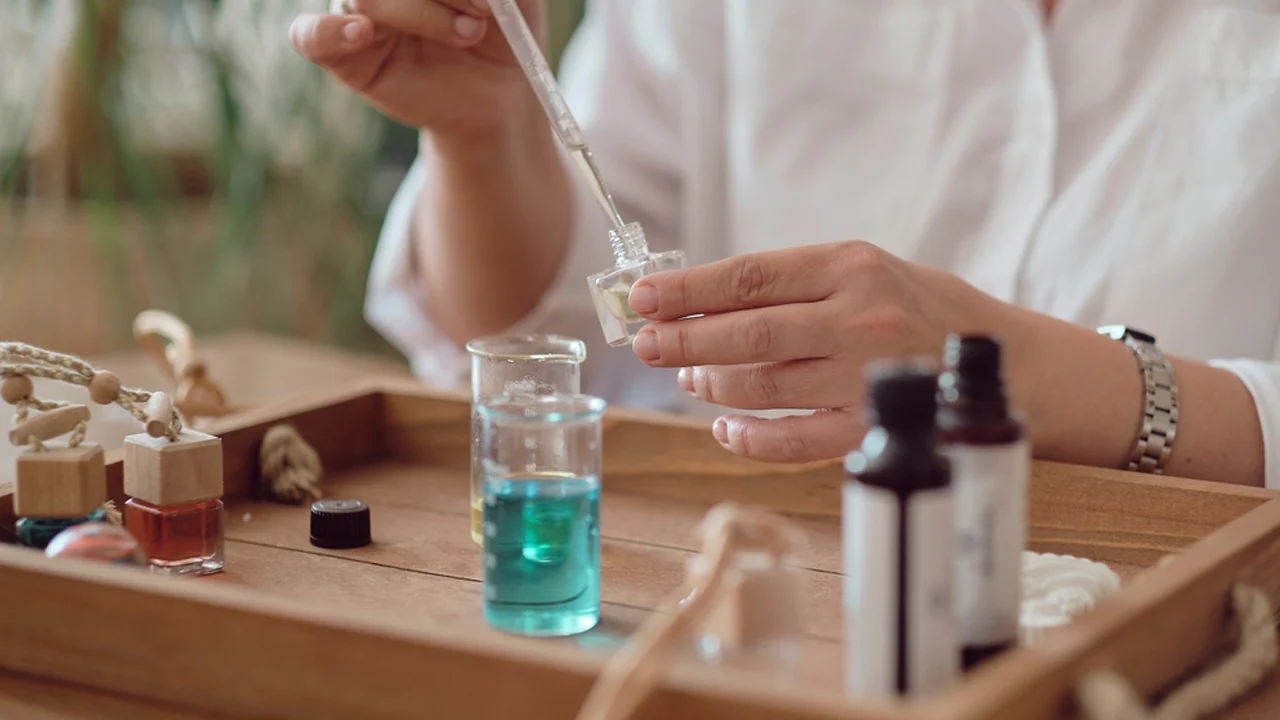
The ones researchers are most concerned about are phthalates, synthetic musks and parabens.
Phthalates are added to perfumes to make the scent cling to your skin and last longer. They are essentially what separates a two-hour fragrance from one that stays with you all day.
Synthetic musks like galaxolide and tonalide create those warm, skin-close base notes that make a perfume feel intimate and personal.
Parabens are preservatives that prevent the formula from going bad but they come with a biological cost that most people never hear about.
How They Get Into Your Body
The problem starts the moment you spray. Your skin is not the metal barrier most people think it is. It is actually porous, and transdermal absorption means that what you put on it eventually enters your bloodstream.
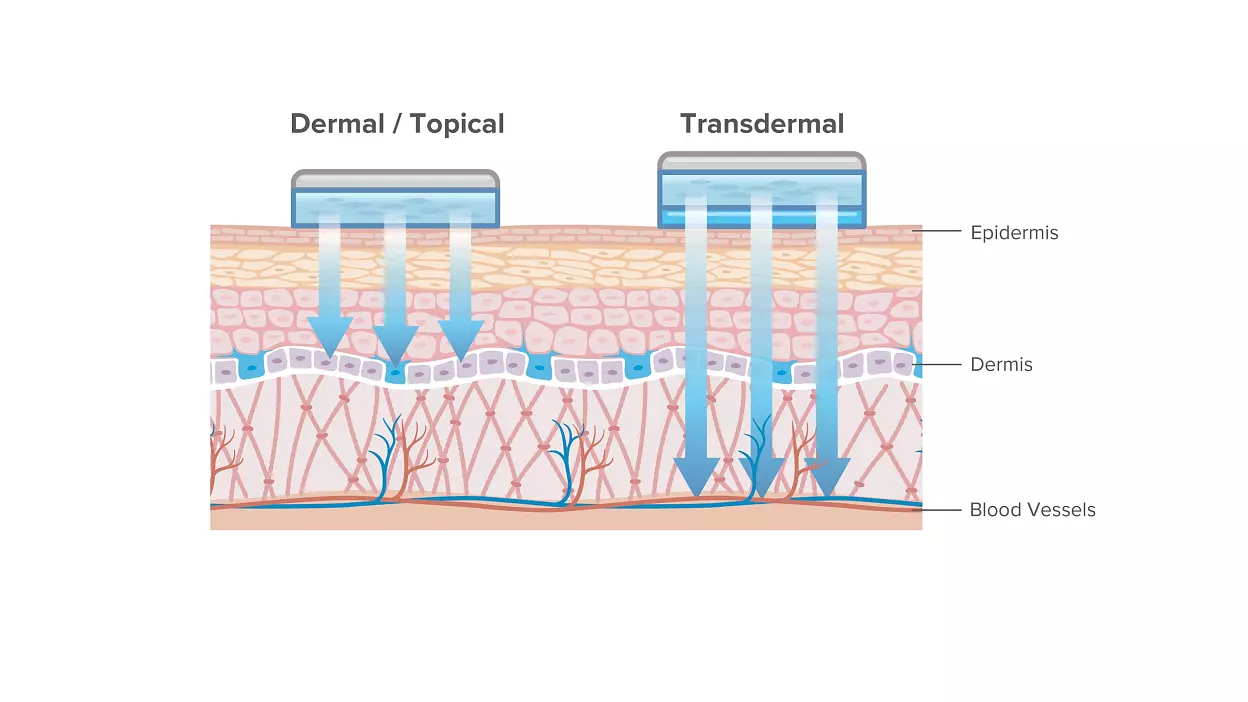
When you inhale your perfume, the process is even faster, because volatile compounds travel directly through the lungs into circulation.
Most people also spray perfume every single day, which means exposure is not just occasional, it is also chronic and cumulative, building in your system over months and years.
The endocrine system is the body's internal messaging network, regulating reproduction, mood, metabolism and growth using hormones as its signals.
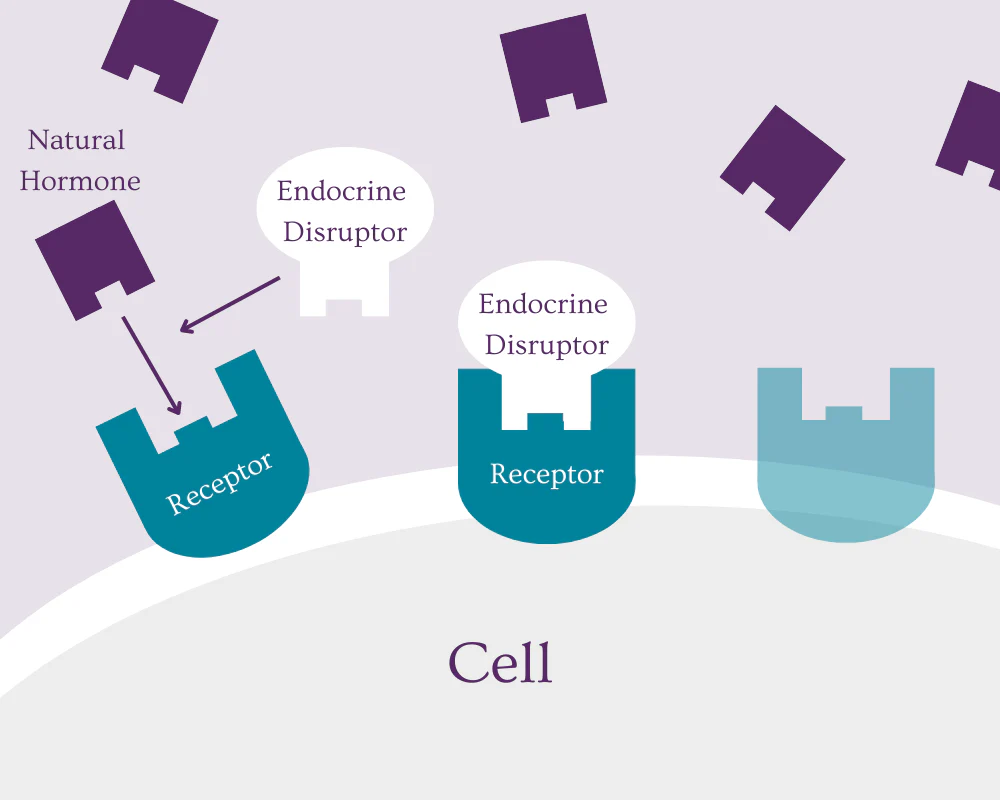
Endocrine disruptors work by mimicking natural hormones. They can bind to the same receptors in the body and send false signals, block real hormones from doing their job, or alter how genes related to hormone production are expressed.
Phthalates, specifically, chemically resemble oestrogen. When they enter the body, they can interfere with the hypothalamic-pituitary-gonadal axis — the hormonal chain of command that governs reproductive health in both men and women.
A 2024 study in Cosmetics found that every single perfume it tested met the scientific criteria for being an endocrine disruptor.
The Female Body Takes The Bigger Hit
Research consistently shows that women bear a disproportionate hormonal burden from fragrance chemical exposure.
Phthalates have been linked to menstrual irregularities, including disrupted cycles, anovulation which is when the ovaries fail to release an egg, and reduced ovarian reserve, meaning fewer healthy eggs over time.
Studies also suggest that these chemicals can interfere with uterine readiness, making conception more difficult even when ovulation is happening.
Women with high exposure to endocrine-disrupting chemicals have shown reduced ovarian function, and research flagged in Reproductive Toxicology found irregular cycles and lower fertility markers in heavily exposed groups.

Parabens have been detected in breast tumour tissue in multiple studies, raising long-term concerns about hormone-related cancers that are still being actively investigated.
For women already navigating conditions like PCOS or endometriosis, this added chemical burden matters.
It doesn’t limit to just the female bodies. Male fertility is also in the conversation.
Phthalate exposure has been linked to reduced sperm count, lower testosterone levels, and decreased sperm motility, meaning sperm that cannot swim effectively toward an egg.
Prenatal exposure is even more consequential, with studies connecting it to genital malformations in male infants and long-term susceptibility to testicular dysfunction.
What You Can Actually Do
Nobody is saying throw away every bottle you own.
However, being informed is the starting point. Look for phthalate-free and paraben-free labels when shopping for new fragrances.
Apply perfume to your clothing rather than directly onto your skin where possible.
Be especially cautious with cheap, unbranded or counterfeit perfumes, which are everywhere, as these are far less regulated and far more likely to contain higher concentrations of these chemicals.
Smelling good is not the problem. Not knowing what you are absorbing into your body every single day is.