You Have Never Experienced the Present — Physics Says You Are Always Seeing the Past
Physics and neuroscience reveal that you never experience the present in real time. Light, neural processing, and the relativity of time mean every moment you see has already passed.
You know that feeling when you are on a video call and there is that awkward half-second delay where you can tell the other person has finished talking but their audio hasn't caught up yet?
That frustration you feel is actually a tiny glimpse into how reality works all the time, for everyone, everywhere.
Except the delay isn't a bad wifi or data connection. It is physics and your brain.
It is the fundamental nature of the universe. The "now" you think you're living in? You are already behind.
Light and the Delay of Reality
Do you know you cannot see anything without light? This actually sounds simple until it isn’t.
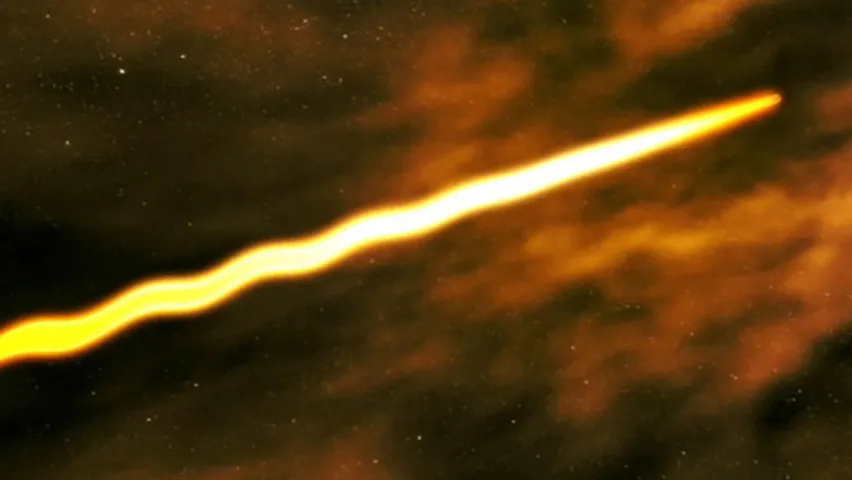
Every image your eyes process exists because light bounced off something and travelled to your retina. However, light, fast as it is, still takes time to travel.
Light moves at roughly 300,000 kilometres per second. That sounds instant, but distance changes everything.
When you look at the sun, you are seeing it as it was about eight minutes ago. When you stargaze, some of those stars you are admiring may not even exist anymore.
You are watching light that left them thousands, sometimes millions, of years before you were born.
But it gets closer to home than stars. Even when you look at your own hand right now, the light reflecting off it takes a tiny fraction of a nanosecond to reach your eyes.
The coffee mug across the room processes with a slightly longer delay. Nothing you have ever looked at has been seen in real time.
The universe, from the smallest nearby object to the most distant galaxy, is always being observed on a slight delay. Reality is essentially a live broadcast with a permanent lag.
The Brain's Processing Time
If the speed of light wasn't already enough to mess with your sense of the present, your brain has entered the chat.
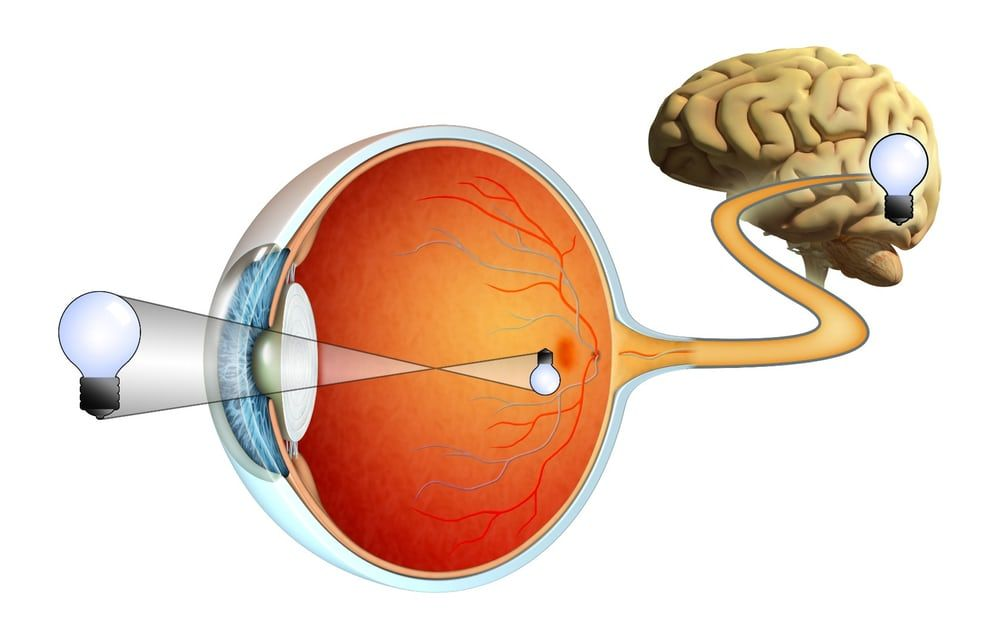
Seeing is not instant. When light hits your retina, it triggers electrical signals that travel through your optic nerve to your visual cortex at the back of your brain.
That journey alone takes somewhere between 13 and 80 milliseconds depending on what is being processed.
Then your brain has to assemble all that raw data — colour, shape, motion, depth — into something coherent. That takes even more time.
What this means is that by the time you consciously experience anything you are looking at, the actual moment you think you are seeing has already passed.
Scientists call the brain's version of reality a "neural delay." You are not watching the world live.
You are watching a very fast mental replay that your brain stitches together and presents to you as "now."

Even more interesting, your brain actively predicts and fills in gaps to keep your experience feeling smooth and continuous.
The "present" you're experiencing is less a window into reality and more a highlight reel your brain assembled a few milliseconds after the fact.
The Physics of Time
Physics takes this even further and says the problem isn't just your biology, it is the universe itself.
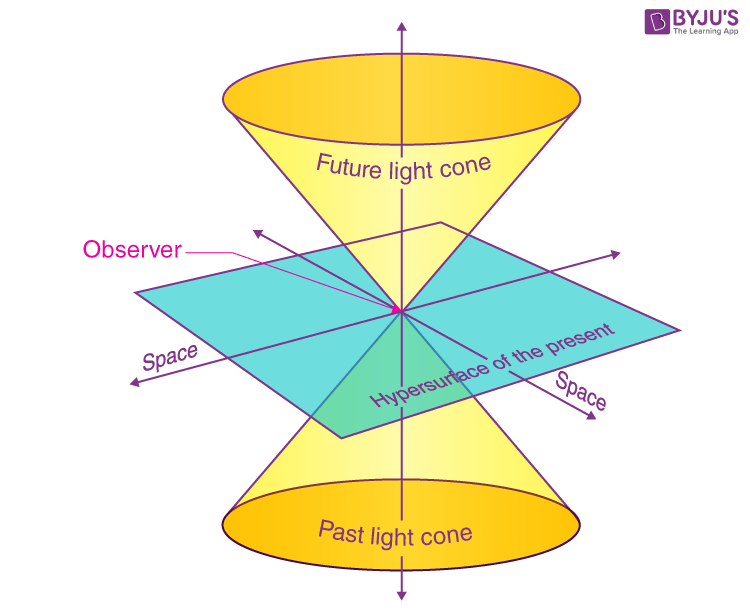
Einstein's theory of relativity introduced a concept that still breaks brains over a century later: there is no single universal "now."
Time is not fixed. It bends and shifts depending on how fast you are moving and how strong the gravitational field around you is.
An astronaut on the International Space Station ages very slightly slower than someone standing on Earth. Time literally passes at a different rate for each of them.
More relevant to the idea of a shared present. Relativity tells us that two observers moving at different speeds can genuinely disagree on whether two events happened at the same time.
This isn't a matter of perception or imprecision. According to physics, both observers are correct within their own frames of reference.
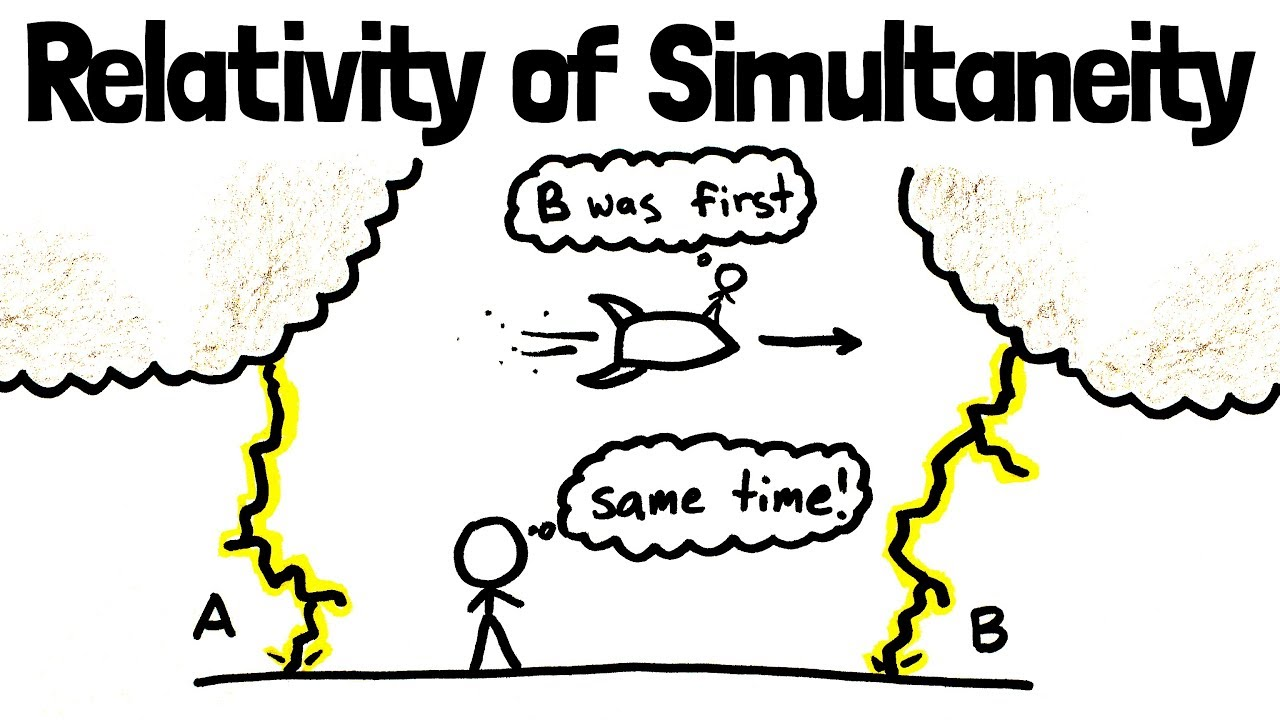
There is no particular clock that everyone agrees on.
Physicists refer to this as the "relativity of simultaneity." What it effectively means is that the universe does not have one synchronized present moment that all of existence shares.
The "now" you think you and your friend across town are both living through, according to physics, is not guarantee that it is the same moment.
The Present as a Human Tool
So if the present moment isn't physically real in the way we think it is, why do we experience it so convincingly?
Because we need to. Humans are social, decision-making creatures who have to coordinate with each other, react to their environments and plan for the future.
A species wandering around thinking "well, technically I'm always in the past" would struggle to catch a bus, hold a conversation or dodge a football coming at their face.
The brain likely constructs the sense of "now" as a practical tool. It takes all those delayed signals, from your eyes, ears, skin and other senses, and bundles them into a single coherent moment it labels "the present."
Neuroscientists sometimes describe this as a kind of temporal illusion. Your brain backdates experiences and smooths them together so your perception of reality feels unified and immediate even when it isn't.
The present moment, in this sense, is less a fact of nature and more a very useful fiction the mind tells itself.
Conclusion: Living in a Slightly Delayed Reality
Light takes time to reach your eyes, your brain takes time to process what it receives and physics says there may not even be a universal present moment to speak of in the first place. Everything you have ever experienced arrived slightly late.
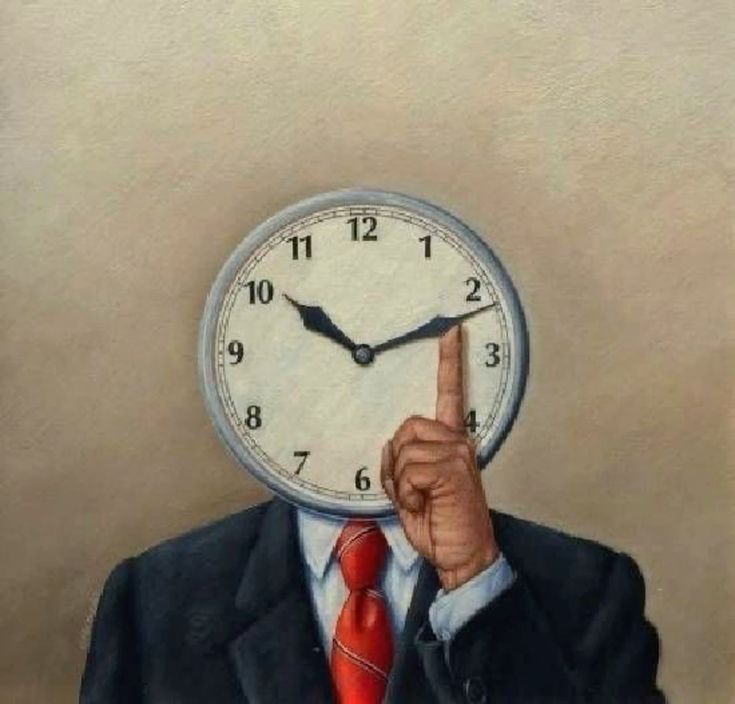
That isn't a flaw in your design. It is a feature of a universe governed by the speed of light, the mechanics of neurons and the strange flexibility of time itself.
The "now" you live in is the brain's best reconstruction, a mental snapshot assembled from delayed signals, stitched together into something that feels immediate.
In a way, every single human being is always living just a heartbeat behind reality. The present moment is real enough to live by, but just slightly too late to ever truly catch.