World Economy Shakes! Middle East War Ignites Global Price Hikes and Slowdown
The Middle East conflict is sending shockwaves across the global economy, with the IMF warning of higher prices and slower growth worldwide due to disruptions in oil, gas, and fertiliser supplies. Nations from Egypt to Australia are implementing drastic measures to combat soaring energy costs, while geopolitical tensions remain high amid US President Donald Trump's threats against Iran.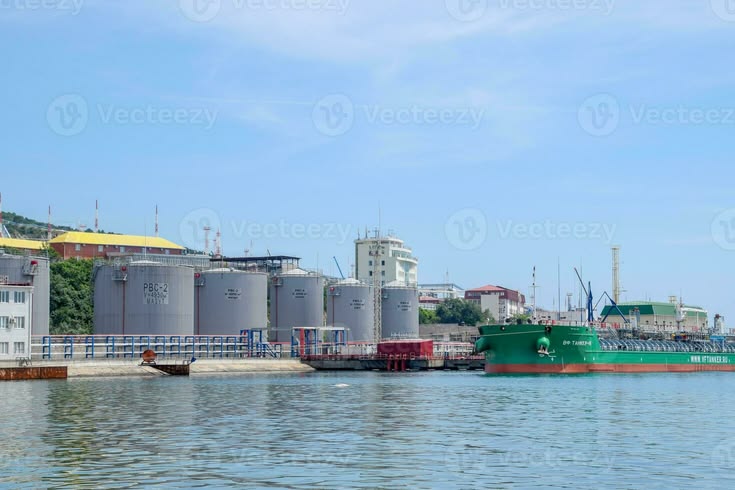
The International Monetary Fund has warned that“all roads lead to higher prices and slower growth worldwide” should the conflict in the Middle East continue to throttle the amount of oil, gas and fertiliser making its way out of the Gulf.
In a stark message that countries on all continents will be affected, the Washington-based organisation said a rise in energy and food costs would harm economic growth this year and could leave lasting scars on the global economy.
Coming only hours after Donald Trump threatened to obliterate Iran’s energy infrastructure unless it agreed to a peace deal, the IMF’s analysis is likely to be viewed as a warning to the White House over the war’s lasting consequences for struggling households.
The IMF warns that countries with high debt will struggle to get the money they need to deal with the current crisis, and no matter how the war goes, prices will rise and economic growth will slow.
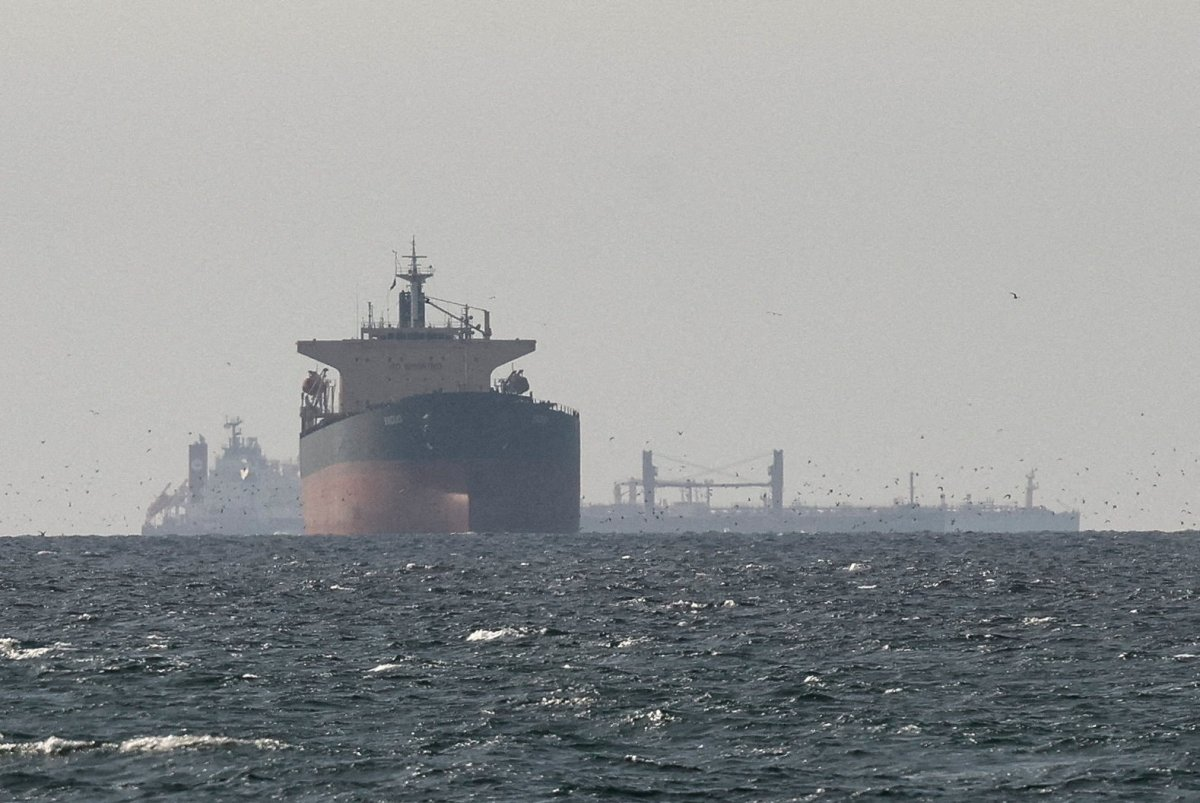
Oil and gas exporters like the United States may benefit from higher fuel prices, but for most people, petrol, diesel, and food will get more expensive.
Businesses might raise prices, and central banks may increase interest rates to fight inflation.
The length of the conflict and damage to infrastructure will make a big difference. A short war could cause temporary price spikes, while a long war would keep costs high, hitting countries that rely on imports the hardest.
Already, disruptions in the Strait of Hormuz, a key route for about a third of the world’s fertilizer, are pushing prices up.
The UN predicts global food prices could rise 15%–20% in the first half of 2026 if the crisis continues.
The Middle East conflict is driving up energy prices around the world. In the UK, gas costs have more than doubled since last December, and oil prices jumped from $60 to over $116 a barrel.
Europe faces a tough winter, with countries like Italy and the UK worried about high bills, while France and Spain are better off thanks to nuclear and renewable energy.
The disruption of oil and gas supply through the Strait of Hormuz is affecting many countries. In Egypt, shops and restaurants are closing early to save energy, as the monthly energy bill rose from £420 million to £1.25 billion.
In Australia, the government cut fuel taxes, made public transport free in some states, and ensured fuel supplies are secure to prevent shortages.
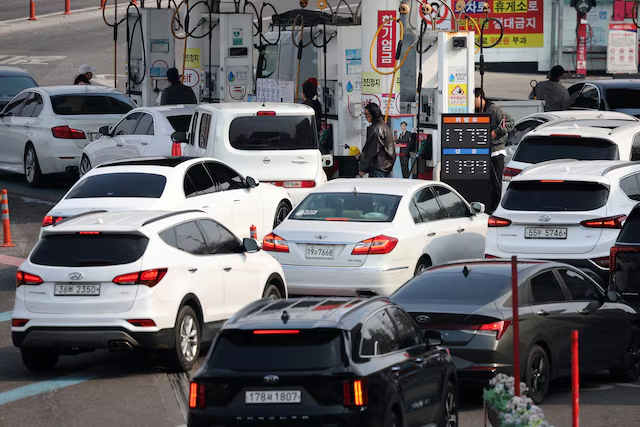
South Korea may expand its five-day ban on government cars to private vehicles if oil prices hit $120 a barrel, Finance Minister Koo Yun-cheol warned.
Across Asia, countries are taking action to save fuel, as Sri Lanka cut the workweek to four days,Myanmar limited private cars to alternate days, Bangladesh imposed blackouts, and the Philippines restricted non-essential government travel.
Vietnam encouraged cycling, car-sharing, and public transport, while Thailand rationed fuel and asked people to wear lighter clothing.
Prime Minister Anutin Charnvirakul apologized for disruptions and secured safe oil shipments from Iran.
Panic buying has hit other places too. In Gujarat, India, long queues formed at petrol stations, though officials assured supplies are enough.
In Britain, rising diesel prices forced some small stations to close.

Global leaders are keeping a close eye, with the G7, IMF, and World Bank discussing the economic and inflation impact of the Gulf energy crisis.
Tensions are rising as US President Donald Trump threatens Iran. He warned that if Iran doesn’t agree to a peace deal to reopen the Strait of Hormuz, the US could strike energy sites, oil wells, and other key facilities.
Iranian leaders say these threats are just trying to shake up the markets. Still, the possibility of military action is causing worry worldwide, with people and economies facing growing uncertainty.