Scrolling Into Insomnia: Understanding How Phones Hurt Your Sleep
Endless scrolling at night can wreck your sleep. Learn how late-night phone use disrupts your body’s natural rhythm and what simple steps can help you rest better.
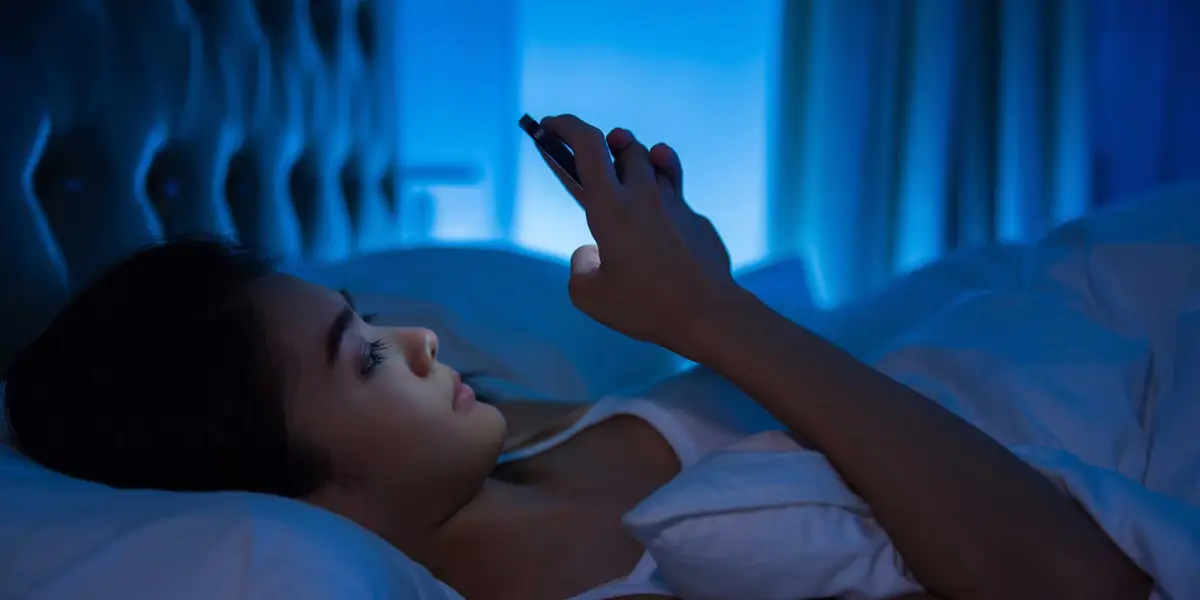
It is easy to underestimate how strongly a small device can shape the rhythm of a person’s entire day. Many people end each night the same way, lying in bed, scrolling through messages, watching short videos, or jumping from app to app without really thinking about the time. This nightly routine has become so normal that few pause to consider how much it affects the body’s ability to sleep well. Yet research is increasingly clear: the closer the phone comes to bedtime, the more it works against natural rest.
How Blue Light Disrupts the Body’s Natural Sleep Rhythm
For centuries, human sleep patterns followed the sun. Darkness signaled the body to slow down, allowing a rise in melatonin, the hormone responsible for making the mind and body feel ready for sleep. But today, bright screens stretch “daytime” far into the night. Modern phones emit significant amounts of blue light, a wavelength that is very similar to natural daylight. Studies have shown that evening exposure to blue light delays melatonin production and pushes the brain into a false sense of alertness. This effect is not subtle; it is strong enough to shift internal sleep cycles and change how easily someone falls asleep.

When melatonin is suppressed, the body behaves as though it is still daytime. Heart rate stays slightly higher, the mind remains active, and the nervous system does not begin its slow descent into rest. Research also shows that high evening screen use increases sleep latency, the amount of time it takes to fall asleep making people toss and turn long after the lights are off. A study published in Sleep Health found that nighttime phone use can significantly worsen overall sleep quality and increase daytime fatigue.
The impact does not stop at falling asleep. Even after sleep begins, the presence of the phone continues to interfere. Keeping a phone beside the bed makes it more tempting to check notifications during the night. Each brief awakening breaks sleep cycles and leads to lighter, fragmented sleep. One study found a clear association between mobile phone addiction scores and disrupted sleep architecture, especially in young adults.
Why Late-Night Phone Habits Keep the Mind Overstimulated
Another overlooked element is mental stimulation. Phones are designed to trigger curiosity, excitement, or emotional reaction. The brain responds to each video, message, or post with small bursts of dopamine, a neurotransmitter linked to reward. This creates a loop that keeps people alert and engaged, even when tired. A review of sleep behavior research highlights that pre-sleep mental stimulation raises physiological arousal, making it harder for the nervous system to settle into rest.
This is why many people lie in bed feeling physically tired but mentally wide awake. The mind is still processing what it has seen on the screen, conversations, updates, arguments, jokes, and fast, bright images. Instead of winding down, the brain becomes more active. Even when the phone is finally put away, the overstimulation lingers.
A growing number of specialists also warn about “revenge bedtime procrastination.” This happens when someone feels their day has been too full, leaving no personal time, so they intentionally stay awake later than they should. The phone becomes an escape, a way to claim back moments of freedom. Ironically, the attempt to relax ends up reducing sleep time and harming health.
The consequences of this pattern are not small. Research in Norway found that bedtime screen use is linked to a significantly higher risk of insomnia and reduced total sleep duration. Lack of sleep affects nearly every part of life: mood, concentration, reaction time, stress levels, immune function, and even long-term health.

Social Insight
Navigate the Rhythms of African Communities
Bold Conversations. Real Impact. True Narratives.
But breaking the cycle is possible, and it does not require abandoning technology altogether. What it requires is boundaries, especially during the last part of the evening. Experts recommend creating at least one hour of screen-free time before going to bed. This gives the brain time to shift from alertness to calm, allows melatonin levels to rise naturally, and prepares the mind for deeper rest.
For those who cannot fully avoid screens at night, night mode, also known as “blue-light filtering,” offers partial relief. These features reduce the amount of blue light the screen emits, shifting the color to warmer tones. While studies show these filters help somewhat, they do not fully eliminate the impact on circadian rhythms. Lowering screen brightness and avoiding holding the device close to the face also reduces strain.
Replacing late-night scrolling with calmer activities can help the brain adjust. Reading a physical book, stretching lightly, dimming overhead lights, or listening to soft music signals to the body that it is time to power down. These activities slow the heart rate, ease the mind, and support the natural transition into restful sleep.
Many people who reduce nighttime screen use notice changes within days. They fall asleep faster, wake up less during the night, and feel more refreshed in the morning. Over time, the improvement extends to mental clarity, emotional balance, and better stress management. Small habits, consistently practiced, can reshape the entire sleep experience.

The reality is that phones are deeply woven into modern life. They are tools for communication, work, learning, and entertainment. But they should not control how well a person sleeps. A healthier relationship with technology begins with recognising that good sleep is not optional. It is essential to memory, mood, performance, and long-term health.
Nighttime is meant for rest, not constant stimulation. By consciously limiting the phone’s influence at the end of the day, individuals can restore the quiet rhythm the body needs, a rhythm that leads to deeper sleep, clearer mornings, and a healthier life overall.