Why Is The Weather Becoming So Extreme? The Science Behind Floods and Heatwaves
Why are floods and heatwaves becoming more extreme? Discover the science behind climate change, West Africa's flooding, Europe's heatwaves, and what the future holds.
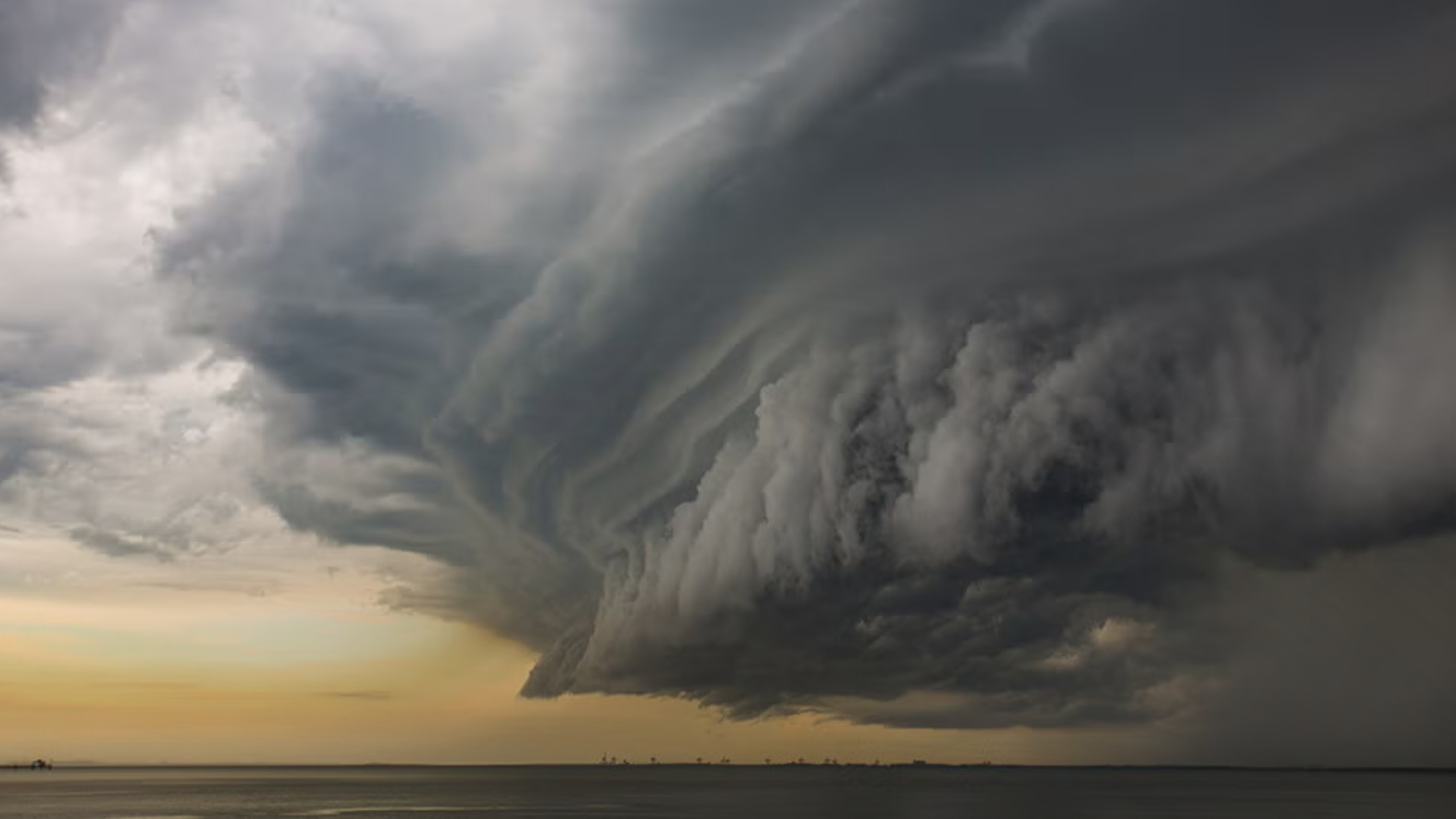
Something strange is happening to the weather and it is happening almost everywhere at once. While Lagos, Accra, Abidjan and Lomé are counting flooded streets and possible displaced families, cities across France, Italy, Spain and the UK are breaking heat records that have stood since the 1940s.
These are two continents with polar-different disasters but from one cause. Climate change is showing its full range and the science behind it is less mysterious than you might think.
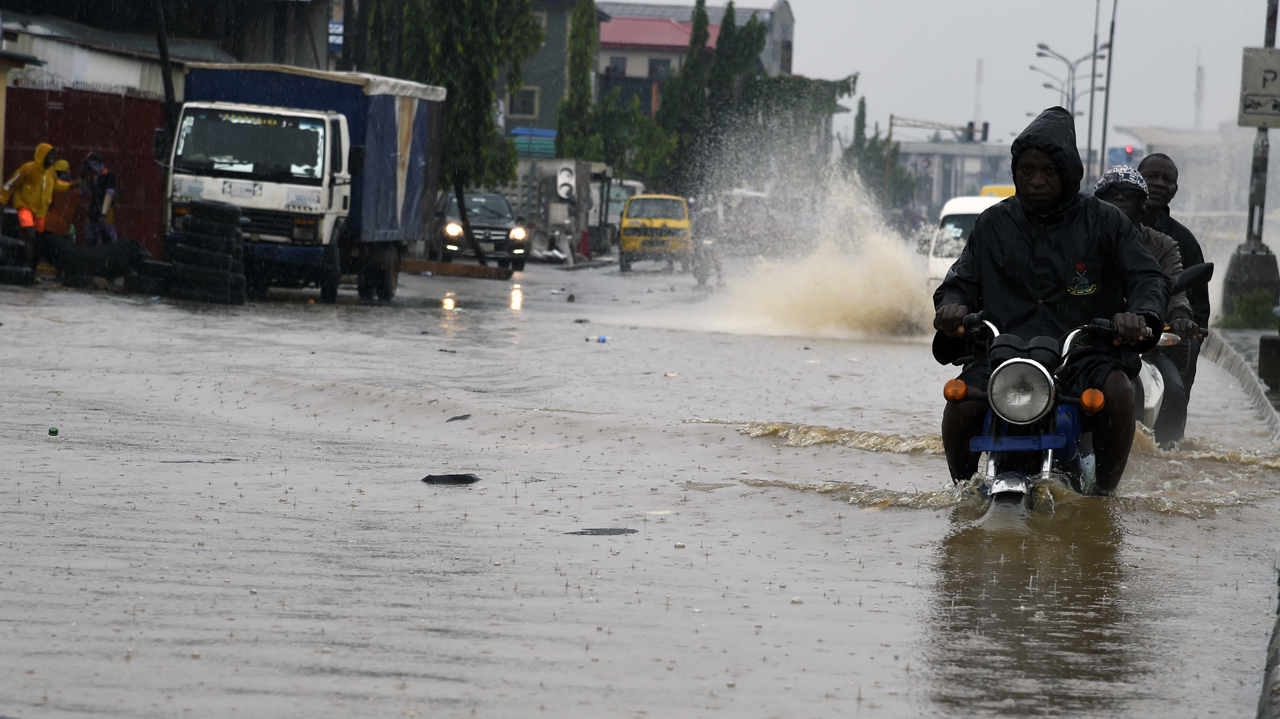
Floods in West Africa: A Pattern, Not a One Off
Late June 2026 brought a brutal run of storms to West Africa's coastal capitals. Lagos, Accra, Abidjan and Lomé all reported flash flooding severe enough to shut down major roads, trap residents in their homes and, in some cases, cost lives and properties.
Nigeria's own flood outlook for the year had already flagged over 14,000 communities across more than 30 states as high risk zones heading into the July to September rainy season.
The usual conversation around African flooding tends to stop at drainage systems and waste management, and to be fair, poor urban planning does make things worse. When there are clogged gutters, unregulated construction on wetlands and outdated infrastructure, heavy rain becomes a citywide emergency faster than it should.
However, researchers studying decades of West African rainfall data have discovered climate projections show flood magnitude increasing across the vast majority of West African river stations in the coming decades, some by more than 45%.
This is largely driven by rising sea surface temperatures and shifting rainfall patterns tied to a warming planet.
In other words, West Africa's cities were built for a climate that no longer exists.
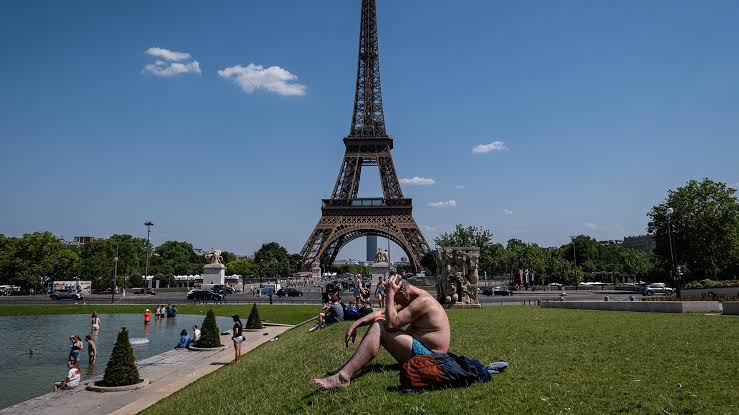
Heatwaves in Europe: Records Falling Every Few Weeks
Meanwhile, Europe has spent this summer breaking its own body as a result of its heatwaves. France recorded its hottest day in history in June, with towns like Poitiers and Pissos hitting temperatures above 106°F.
Spain has attributed over a thousand excess deaths to heat in what is now its second hottest June on record. Italy placed more than a dozen cities under red heat alerts and countries as far north as Finland began asking whether they might see 40°C for the first time ever.
This event is not isolated; it is the third significant European heatwave in a matter of months, and scientists studying the pattern say heat of this intensity is now tens to hundreds of times more likely than it was just a couple of decades ago.
Europe is warming at roughly twice the global average, according to the continent's own climate monitoring service, which means the extremes it is experiencing today may simply become an ordinary summer by the middle of the century.
The Actual Science: Why a Warmer Planet Produces Both Floods and Heat
These two extremes connect at an end and it means something. A warmer atmosphere holds more moisture, roughly seven percent more for every 1°C of warming.
That extra moisture has to go somewhere and when it is released, it tends to come down in shorter, heavier and more violent bursts rather than the gentle steady rain older infrastructure was designed around.
That is a big part of why West African flash floods feel more sudden and more destructive than they used to.
On the other side of the equation, rising global temperatures make it easier for high pressure systems, commonly called heat domes, to form and stay put for longer. A heat dome traps hot, dry air over a region like a lid on a pot. It also blocks the normal movement of weather systems that would otherwise bring relief.
This is essentially what has been sitting over Western and Central Europe since May and it is why the same countries keep hitting record highs week after week instead of the heat simply passing through.
So floods and heatwaves are not opposites. They are two symptoms of the same underlying condition of a planet that is holding more energy and more moisture than it used to, and releasing both in increasingly extreme ways depending on where you happen to be standing.
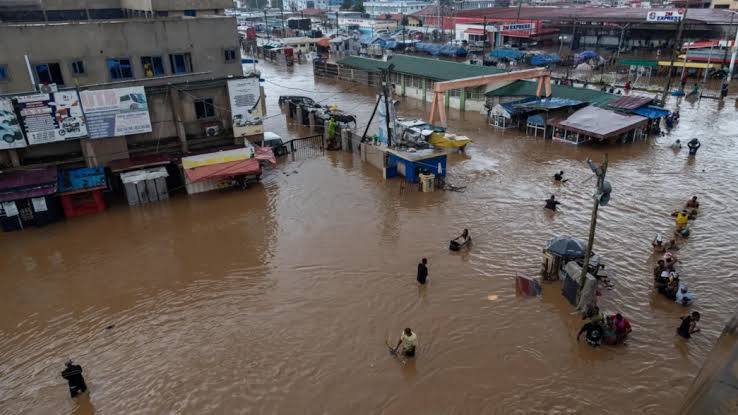
Is This the New Normal or Just a Bad Year?
It is tempting to treat 2026 as an unlucky year and move on. However, science does not support that comfort.

Attribution studies have repeatedly found that today's floods and heatwaves would have been far less severe, or would not have happened at all, in a world without industrial emissions.
Climate scientists have said extreme weather is no longer an anomaly to prepare for occasionally, but rather, becoming the condition we live in.
The flooding is not just a bad rainy season, it is a preview of a wetter and more volatile future that urban planning has not caught up with. The warming too, the same one driving those temperatures, is the reason Europe’s rainy season feels less predictable than it did ten years ago.
The weather is responding, exactly as science predicted it would, to a planet that keeps getting warmer.