Why Do Nigerians Put 4 Different Proteins in One Pot? The Food Culture Shock East Africans Can't Understand
Why do Nigerians cook beef, chicken, fish and assorted meat in one pot? The answer lies in Nigeria’s history, economics and food culture.
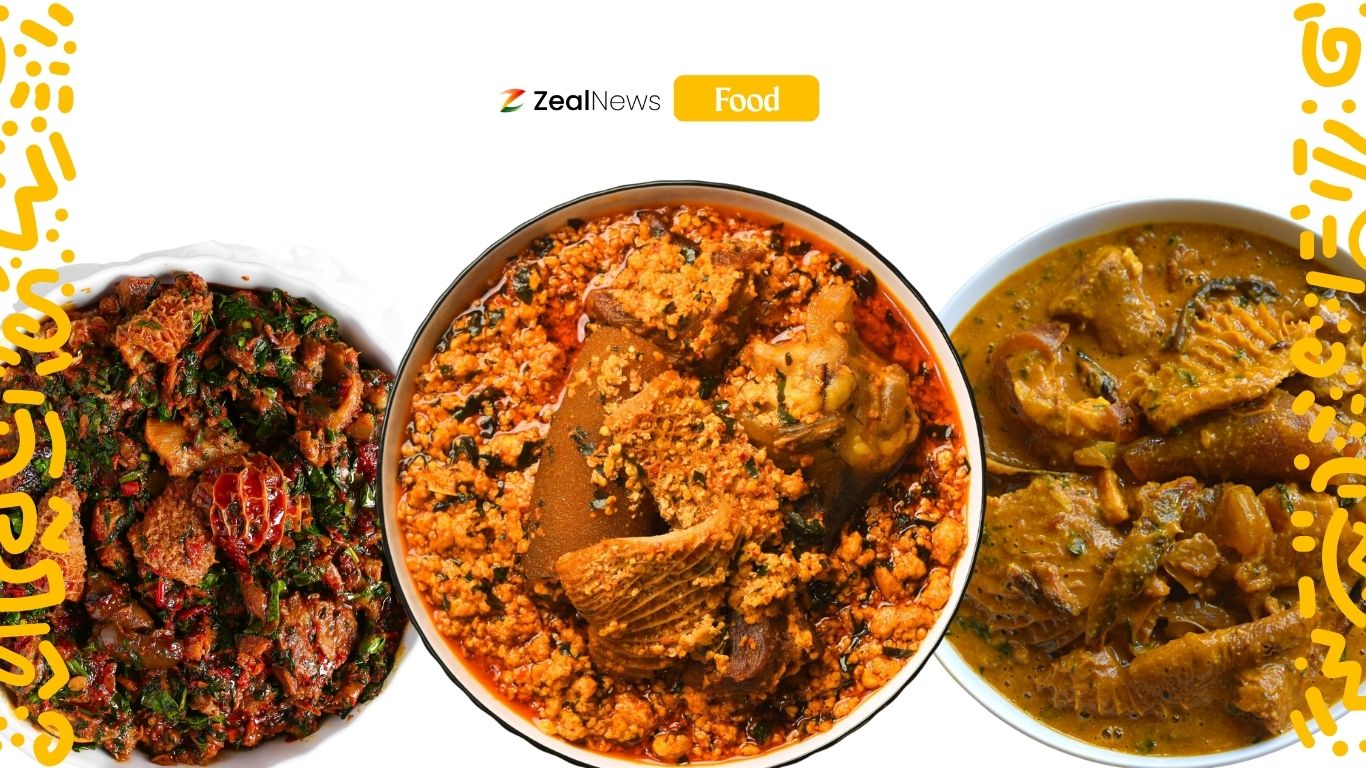
A pot of Nigerian egusi, ogbono, or banga soup can carry beef, chicken, fish, dried fish, and assorted meat at once, and to a Kenyan, Ugandan, or Tanzanian watching that pot cook on TikTok, it looks like chaos.
East African food culture usually lean toward one protein per meal. Nigerian soup culture treats a single pot as a stage for every protein in the kitchen.
This difference is built from history, economics, and the very idea of what a meal is supposed to communicate.
The Nigerian Soup Pot Is Built on Abundance
Nigerian cuisine, especially in the south and southwest, is organized around the idea that a proper soup should overwhelm.
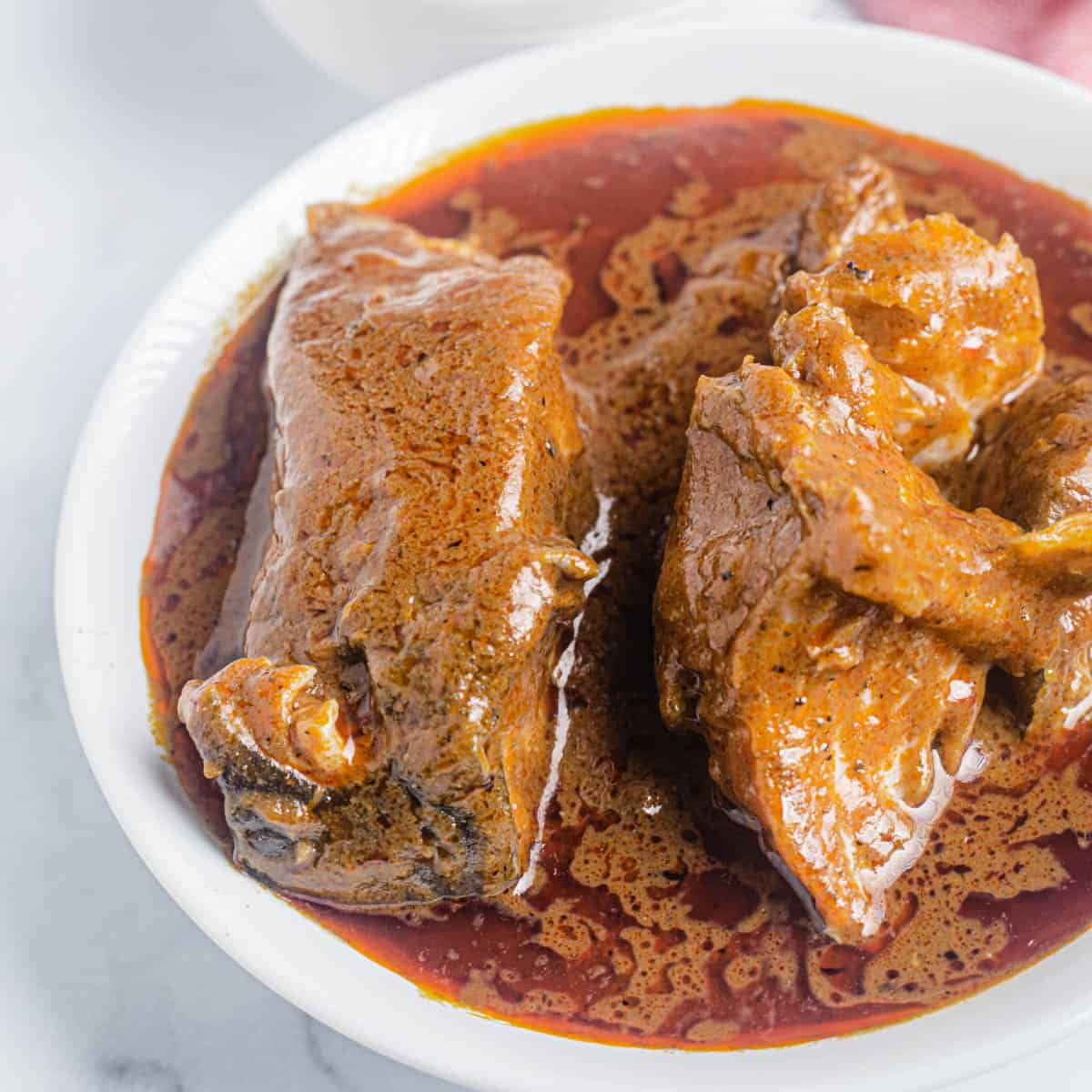
Egusi, ogbono, banga, afang, and other soups are rarely made with one protein. Beef or fresh fish usually give the base flavour, dried fish gives smokiness, stockfish gives texture, and chicken or turkey rounds out the pot.
Cooking with multiple proteins is like a sort of layering technique and it is similar to how a French stock might use several bones for depth. Each protein contributes something the others cannot.
Where "Assorted Meat" Actually Comes From
The Nigerian obsession with assorted meat has roots in Yoruba, Igbo, and Hausa food traditions before colonial contact. Historically, feasts for chiefs, weddings, and funerals were judged by variety.
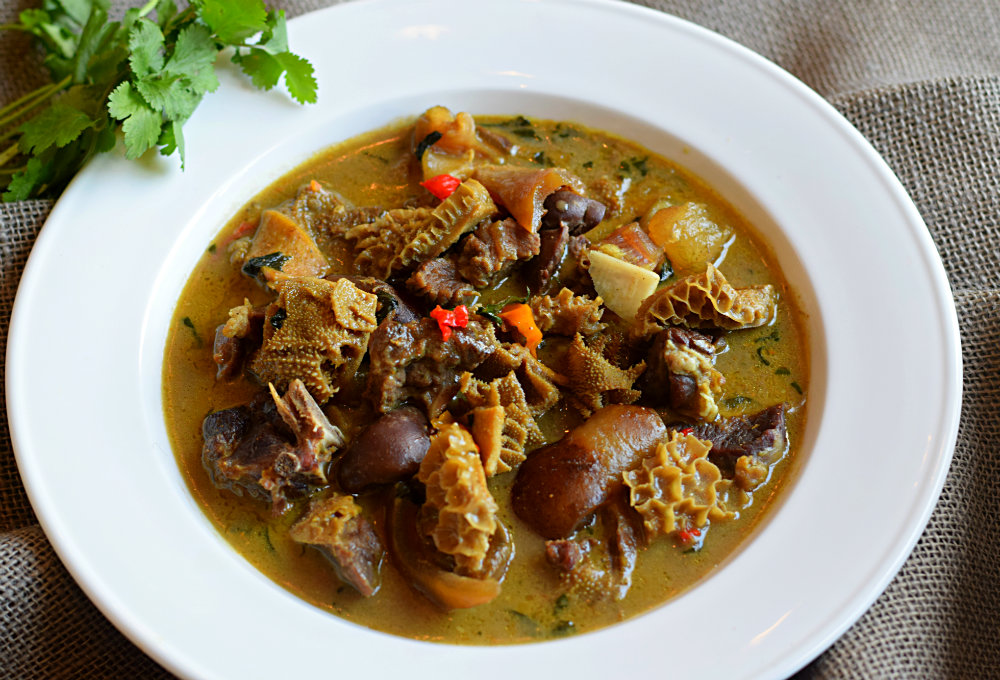
Owning cattle, goats, and access to fresh and dried fish signaled wealth. Over time, that display became embedded in everyday cooking, particularly in soups, which was also another real showcase of a household's protein wealth.
A soup pot with four proteins is a quiet inheritance of that instinct: more variety still reads as more care, more effort, more respect for the people eating.
One Meal, Many Meats: The Economics Behind It
There is also practical economic logic. Dried fish, stockfish, and offal are historically cheaper than fresh beef or chicken alone, so combining them stretches a limited protein budget across a large pot of soup while still giving every spoonful a different flavour.
A single kilogram of beef would not feed a Nigerian family gathering, but beef alongside dried fish and assorted parts multiplies both the quantity and the perceived richness of the soup.
What looks like indulgence to an outsider is often resourcefulness.
East Africa's One-Protein Philosophy
East African food culture, particularly in Kenya, Uganda, Tanzania, and Ethiopia, developed differently. Meals typically pair with one clear protein.
Pastoralist communities across the region historically treated meat, especially beef and goat, as a focused, almost ceremonial food rather than a background flavouring agent.
Eating meat was often tied to specific occasions, and when it appeared, it appeared as the clear centerpiece, not blended into a mix of other proteins.
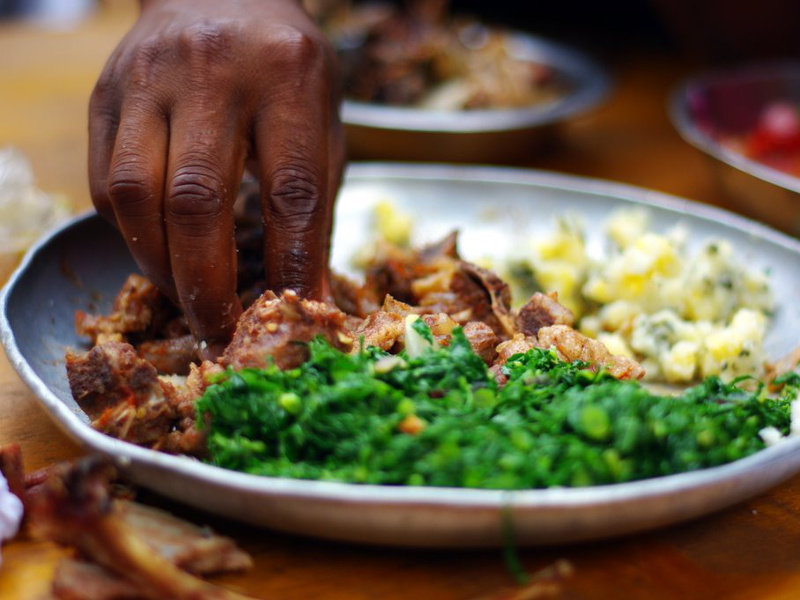

This single-protein approach reflects a broader East African food philosophy that values clarity of flavour. Nyama choma is grilled simply, often with just salt, so the taste of the meat itself is the point.
Mixing four different proteins into one soup, from this lens, can look like it muddies flavours that should stand alone. It now becomes the issue of recognizable taste over layered complexity.
The Clash Online: Why the Videos Go Viral
This is exactly why the culture shock videos spread so fast. East African social media users reacting to a Nigerian soup pot with beef, chicken, fish, and dried fish together are expressing a genuine cultural gap in how African cuisines define a "proper" meal.
The comment sections usually split along the same line: Nigerians defending the pot as generous and East Africans calling it excessive.
No one is wrong; they just come from different histories of scarcity, status and flavour.
Two Food Philosophies, One Continent
This is a reminder that African cuisine is not monolith, and that a continent this large was never going to agree on what a pot of soup should look like.
Nigerian soup culture built its identity around abundance and layered protein as a marker of care and wealth, while East African food culture built its identity around focus and simplicity.
Both traditions carry centuries of history in a single pot, whether that pot holds four proteins or one, and neither needs the other's approval to be right about what a good meal is.