Crypto Market Chaos: Clarity Act's Shocking Failure Sends BTC, XRP, SHIB Plummeting!
The U.S. Senate rejected the Digital Asset Market Clarity Act with a 49-50 vote, failing to secure the necessary 60 votes for advancement and delivering a significant blow to the cryptocurrency industry's push for regulatory clarity. The defeat triggered sharp declines in Bitcoin, XRP, and Shiba Inu, despite reassurances from industry leaders like Ripple's Stuart Alderoty regarding existing legal precedents for XRP. This setback leaves the future of federal crypto regulation uncertain, halting months of bipartisan negotiations.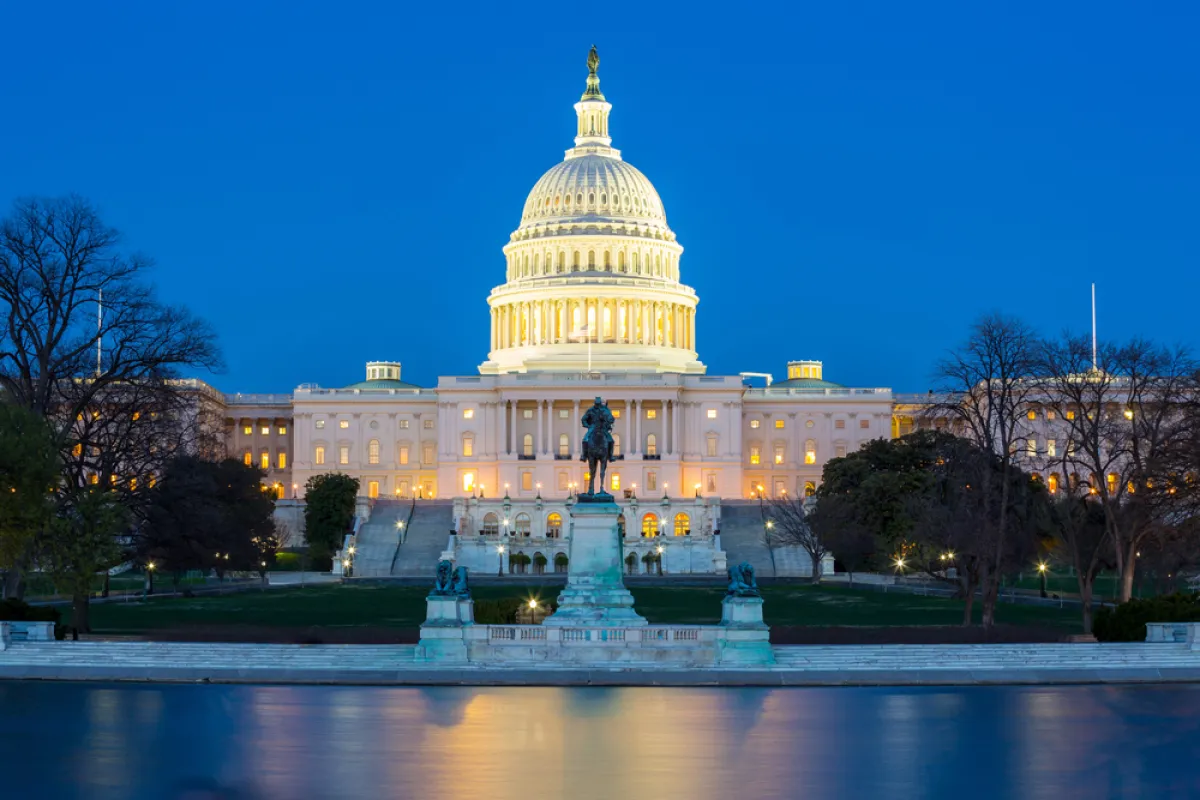
The U.S. cryptocurrency industry faced a significant setback as the Senate failed to advance the Digital Asset Market Clarity Act (H.R. 3633), dealing a major blow to efforts for comprehensive market structure legislation. The crucial procedural vote on Tuesday failed 49-50, falling short of the 60 votes required to invoke cloture and move the bill forward for floor consideration. This defeat intensified pressure on an already weak cryptocurrency market, leading to sharp declines in major assets like Bitcoin, XRP, and Shiba Inu, which traded significantly lower in the wake of the news. Bitcoin dropped roughly 3.7% to around $76,000, XRP plunged over 7% to approximately $1.30, and Shiba Inu fell around 3.7% to $0.00000513, with Ethereum, Solana, and other cryptocurrencies also in the red.
The CLARITY Act aimed to address the long-standing regulatory uncertainty in the crypto space by establishing clear distinctions between digital commodities and digital securities. Under the proposed framework, the Commodity Futures Trading Commission (CFTC) would oversee digital commodities, generally defined as assets whose value is primarily linked to blockchain network use. Conversely, the Securities and Exchange Commission (SEC) would retain jurisdiction over digital securities, covering assets associated with investment contracts and centralized development. The House had previously passed H.R. 3633 in July 2025, and the Senate Banking Committee approved its version in May 2026, creating expectations for its advancement.
Despite months of intense, bipartisan negotiations and significant revisions to the bill, it ultimately failed to gain sufficient support. Republican leaders had incorporated 126 changes sought by Democrats, including new ethics provisions for federal officials, judges, and their spouses, requiring them to divest crypto holdings or place them in blind trusts, and restricting them from issuing or sponsoring certain tokens. The revised proposal also granted enforcement authority to both the Justice Department and state attorneys general, a key Democratic demand. However, these changes were not enough to resolve lingering opposition.
Several prominent Democrats who had been involved in bipartisan crypto negotiations ultimately voted against moving the bill forward. These included Kirsten Gillibrand, Mark Warner, Cory Booker, Raphael Warnock, Ruben Gallego, Angela Alsobrooks, Catherine Cortez Masto, Lisa Blunt Rochester, and John Fetterman. Many of these senators, including Warner, Alsobrooks, Booker, Gallego, Cortez Masto, and Warnock, had previously stated that the Republican version needed stronger provisions covering ethics, consumer protection, illicit finance, conflicts of interest, and market integrity. Blunt Rochester had also consistently raised concerns about investor protection, market integrity, illicit finance, and financial stability. Notably, the opposition was not exclusively from Democrats; three Republican senators—Susan Collins of Maine, Josh Hawley of Missouri, and Jerry Moran of Kansas—also voted against advancing the CLARITY Act.
Ripple Chief Legal Officer Stuart Alderoty sought to reassure the XRP community following the defeat, emphasizing that "Ripple and XRP stand on settled ground." He reiterated the 2023 federal court ruling that established XRP is not a security and pointed to a joint interpretation issued by the SEC and CFTC in March, which classified XRP, along with Bitcoin, Ethereum, and Solana, as a digital commodity. Ripple CEO Brad Garlinghouse expressed his disappointment, stating, "This one stings," and criticized "Democratic politics" for the outcome. Despite the setback, Garlinghouse maintained optimism, expecting the SEC and CFTC, under Chairs Atkins and Selig respectively, to continue working on rules to fill the legislative gap, with Ripple remaining actively engaged in that rulemaking process.
The failure of the cloture motion leaves the Digital Asset Market Clarity Act stalled on Capitol Hill, effectively blocking further consideration in the Senate for the foreseeable future. This outcome leaves the cryptocurrency industry's push for a clear federal regulatory framework in a state of uncertainty, despite the industry's significant lobbying efforts and the months of bipartisan negotiations aimed at resolving critical regulatory questions.