Nairobi Will Be the First African City to Host the World Athletics Championships: What Did It Do Differently?
Nairobi will become the first African city to host the World Athletics Championships in 2029. Here is what changed after its failed 2025 bid.
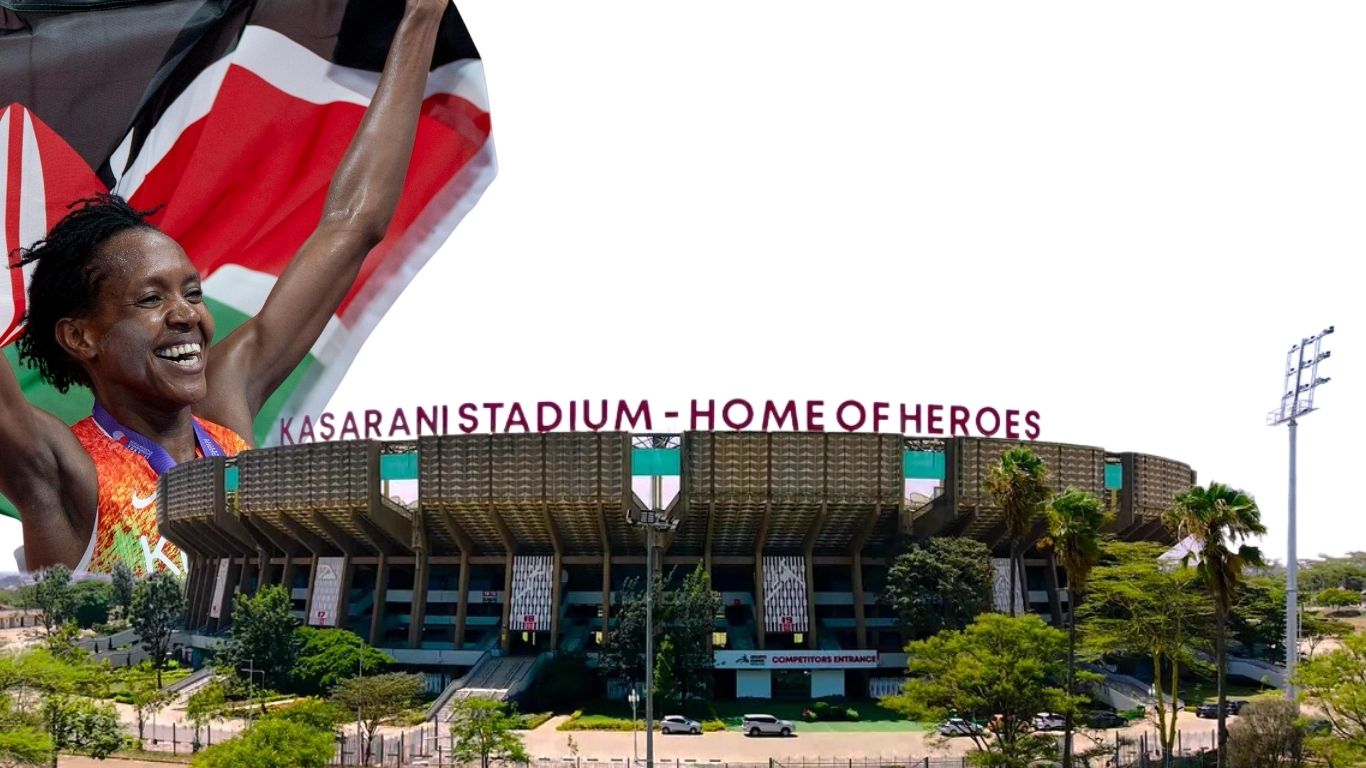
Nairobi beat London, Rome and other contenders and became the first African city ever to stage athletics’s flagship global event, securing the hosting rights for the 2029 World Athletics Championships.
This announcement came after the 242nd council meeting of the World Athletics in Budapest. Munich is expected to host the 2031 edition.
For a continent that has produced some of the sport's greatest distance runners for decades without ever hosting its biggest stage, this is a landmark moment. But Nairobi did not win this on emotion alone. It won because it fixed the exact weaknesses that cost it the 2025 bid.
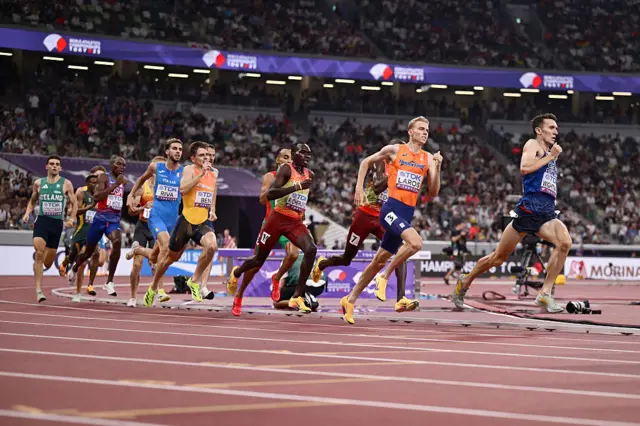
From 2025 Rejection to 2029 Victory
Nairobi first attempted to host the World Athletics Championships for 2025 and lost to Tokyo.
At the time, Kenya's bid lacked the infrastructure guarantees, hotel capacity and stadium readiness that World Athletics demands from a host city.
Rather than abandoning the ambition, Kenyan authorities treated the loss as a planning problem to solve.
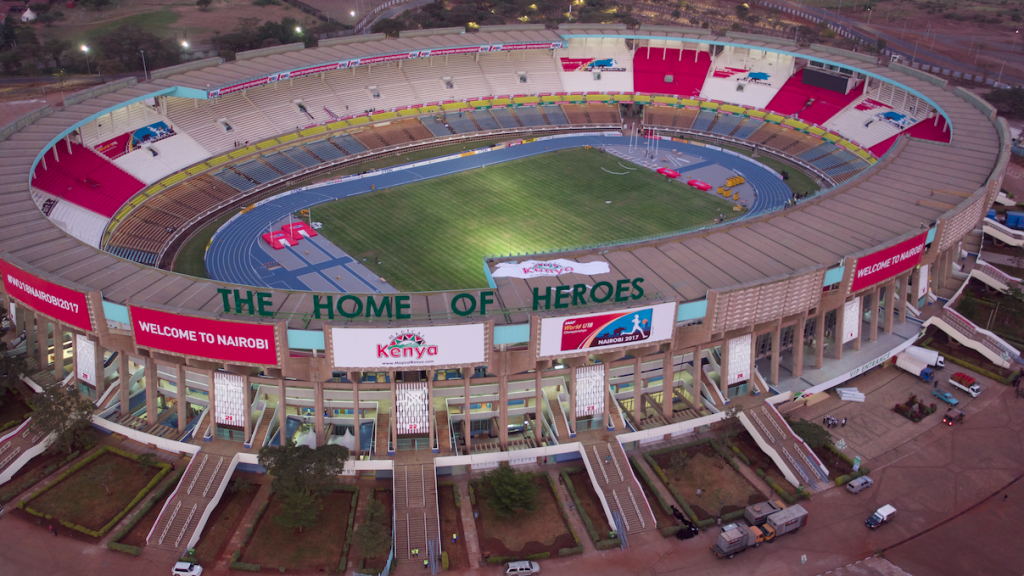
Over the following years, Nairobi focused on one central asset for its next bid: the Moi International Sports Centre, Kasarani, which was already scheduled for a major overhaul ahead of the 2027 Africa Cup of Nations.
That overlap in timing turned out to be useful. World Athletics officials confirmed the stadium's ongoing transformation as a factor that strengthened Nairobi's second bid.

Meeting World Athletics' Hosting Requirements
The World Athletics has firm, technical requirements for any candidate city.
A competition stadium must hold at least 30,000 spectators. It must also include certified warm-up tracks nearby alongside approved routes for marathon and race walking events, sufficient hotel inventory for athletes, officials, broadcasters and fans, and a credible security and public safety plan.
Sustainability is also non-negotiable. Candidate cities are assessed against the Athletics for a Better World standard. This covers renewable energy use, waste management and air quality monitoring, alongside citizen engagement programmes such as youth athletics initiatives and community fun runs.
Nairobi's second bid answered these requirements point by point.
Kasarani's renovation includes a nearly complete spectator canopy, a rebuilt hybrid grass pitch with advanced drainage, 2,000-lux floodlighting, upgraded VIP and media facilities, and modern ticketing technology, all built to meet international federation standards.
Sitting above 1,600 metres, Nairobi also offers genuine altitude conditions. It also has a natural draw for distance events given Kenya's dominance in that discipline.
Kenya's status as the second-most successful nation in World Athletics Championships history, with 182 career medals and a runner-up finish at Tokyo 2025, added sporting credibility that no infrastructure spreadsheet could replicate.

Infrastructure Timing Was the Real Differentiator
In 2025, Kenya was asking World Athletics to trust promises about future construction. In 2029, it was pointing to a stadium already mid-renovation for a separate, confirmed continental tournament.
Hosting AFCON 2027 forced Kenya's government to commit real budget lines, contractor deadlines and CAF-grade technical inspections to Kasarani years in advance.
That external pressure did the work that a standalone athletics bid alone might never have generated. African cities chasing global sports hosting rights should note that infrastructure built for one major event can double as leverage for the next.
The Economic Opportunity Ahead for Kenya
Hosting a World Athletics Championships is a tourism and visibility project.
London's 2017 edition generated a direct economic impact exceeding £100 million. This drew more than a million spectators and generated billions of media impressions across broadcast and social platforms.
For Nairobi, the potential upside includes a surge in hotel occupancy, aviation traffic, hospitality jobs and small business revenue during the championships, including a longer-term boost to Kenya's positioning as an East African sports tourism hub.
A completed Kasarani, Talanta City Stadium and supporting transport upgrades will also outlive the event itself. This will give Nairobi venues capable of attracting future continental and global fixtures.
The caution from research on mega-events elsewhere still applies as returns depend heavily on cost control and whether venues stay in active use afterward, rather than becoming expensive white elephants.
How Other African Cities Can Build Toward Hosting Global Championships
Nairobi's path offers a template.
African cities serious about winning global sports hosting rights should position infrastructure upgrades with a confirmed near-term event, whether continental football, athletics or another federation-sanctioned competition, so that stadium and transport spending is locked in rather than speculative.
They should invest early in hotel capacity, certified competition-grade tracks or pitches, and modern security and crowd-management systems, since these are the specific line items international federations scrutinise.
Building genuine sustainability credentials matters as much as the venue itself under current World Athletics standards.
Finally, cities need a clear sporting or geographic differentiator, whether that is athletic pedigree, altitude, climate or cultural appeal.
Nairobi combined all of these. The next African city hoping to follow it will need to do the same.