Who Is Aicha Evans, and Why Did She Leave Intel for a Startup Burning $30 Million a Month?
Aicha Evans left the safety of Intel for a startup burning over $30 million a month. Years later, she is leading Amazon’s boldest bet on driverless cars. Was Aicha Evans taking a reckless risk, or seeing the future before everyone else?
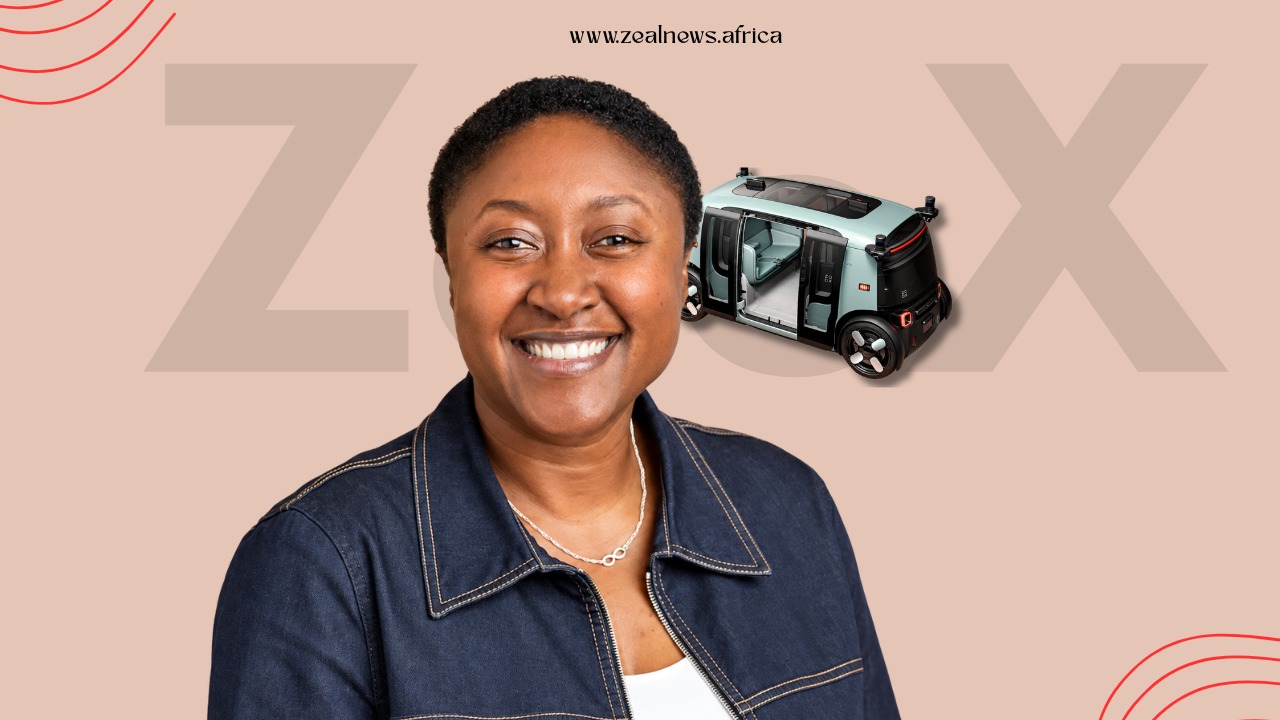
Most executives spend years trying to get into the kind of room Aicha Evans was already sitting in.
She had spent more than a decade at Intel, rising from engineering to senior vice president and chief strategy officer.
She had led a communications and devices group of more than 7,000 employees, worked on wireless technology, and helped shape the company's strategy. By 2019, she had built the kind of résumé that could have taken her comfortably into another senior role at a major technology company.
Instead, she chose a startup.
Not just any startup. Zoox was trying to build a fully autonomous vehicle from scratch, one designed specifically for ride-hailing. There would be no steering wheel, no pedals and, eventually, no driver.
It was an enormous technological gamble. It was also an expensive one.
By early 2020, Zoox was burning more than $30 million every month, and deal documents showed that the company was projected to run out of cash by July.
Then Amazon came knocking.
The company agreed to acquire Zoox for $1.3 billion in cash in 2020, and Aicha stayed on as CEO alongside cofounder and CTO Jesse Levinson.
That makes Aicha's story more interesting than a simple Silicon Valley acquisition story. She did not join Zoox after it had figured out autonomous transportation. She joined while the company was still trying to prove that its vision could survive long enough to become a real business.
And seven years later, she is still running it.
Why Would Aicha Take This Job When Zoox Was Burning $30 Million A Month?
Aicha's story began long before Zoox.
Born in Senegal and raised partly in Paris, she studied computer engineering at George Washington University before building a career in the semiconductor industry.
She worked at Rockwell Semiconductor, Conexant and Skyworks Solutions before joining Intel in 2006.
At Intel, she moved through increasingly senior roles, working across wireless technology and large engineering organisations.
By 2014, she was a corporate vice president, and in 2017 she became senior vice president and chief strategy officer.
Then she left one of the world's biggest technology companies for Zoox.
The timing was important because Zoox was already doing things differently from most companies in the autonomous vehicle race.

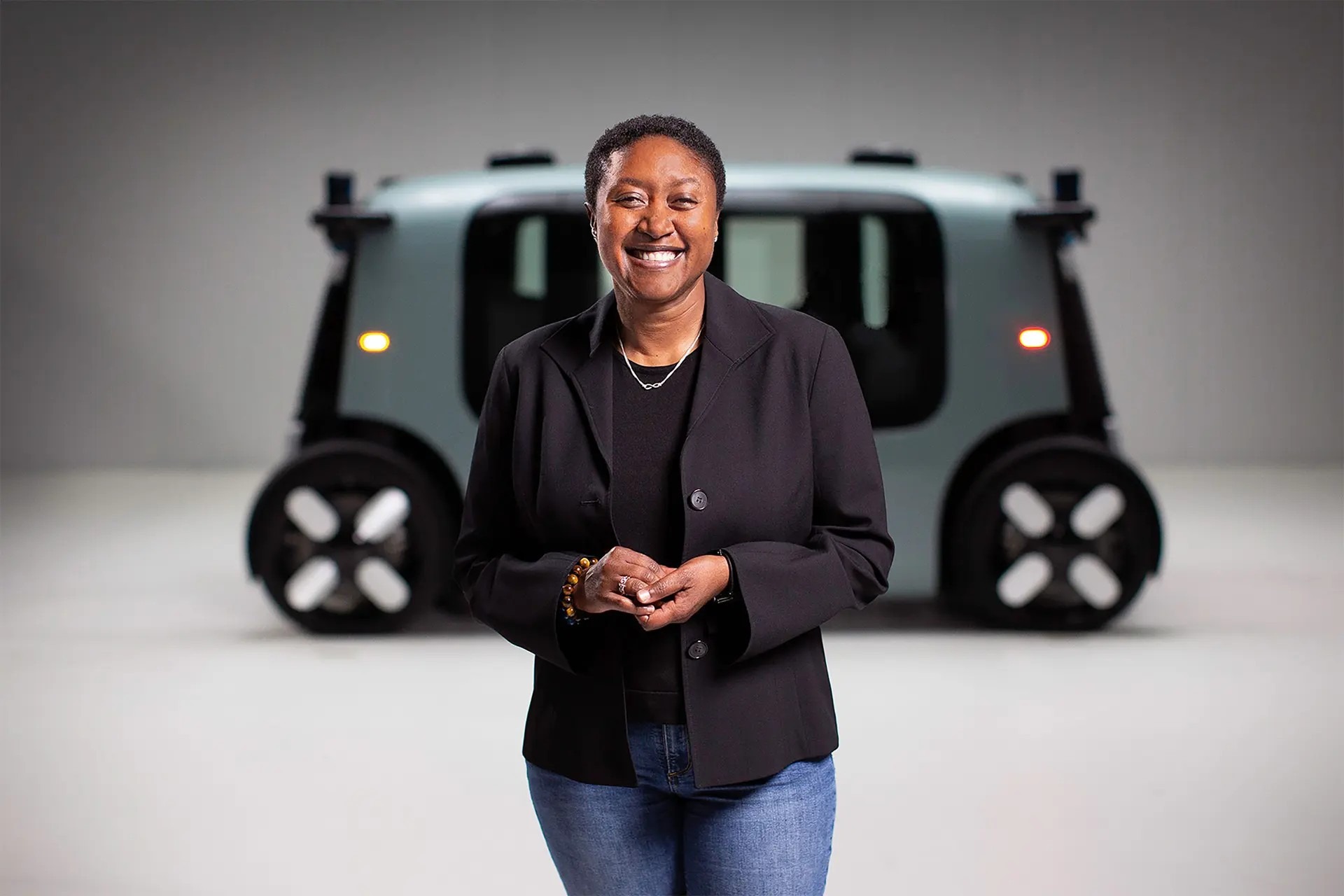
Instead of taking an existing car and adding self driving technology, the company wanted to build the entire vehicle around autonomy.
Its robotaxi was designed with passengers facing each other, without the traditional controls that allow a human to drive.
It was ambitious, but ambition comes with a bill.
Zoox had already raised significant funding, yet developing autonomous vehicles required enormous spending on hardware, software, testing, manufacturing and safety.
By early 2020, its monthly cash burn had climbed beyond $30 million, while projections suggested it could run out of money within months.
Then the COVID 19 pandemic arrived.
Zoox needed more money at a time when raising capital had become even more difficult. Amazon eventually stepped in, acquiring the company for $1.3 billion.
For Zoox, the acquisition meant something more important than the headline number. It meant the company had the financial backing to keep working on a technology that could take years to mature.
And Aicha did not leave after the sale.
She stayed.
How Did A Company Burning $30 Million A Month End Up With A $1.3 Billion Exit?
The Amazon deal did not mean Zoox had suddenly solved autonomous driving.
It meant Amazon had decided the technology was worth betting on.
The difference is quite important because Zoox still had to answer the question that had been hanging over the company for years: when will a robotaxi stop being an impressive experiment and become a business?
The answer started becoming clearer in 2026.
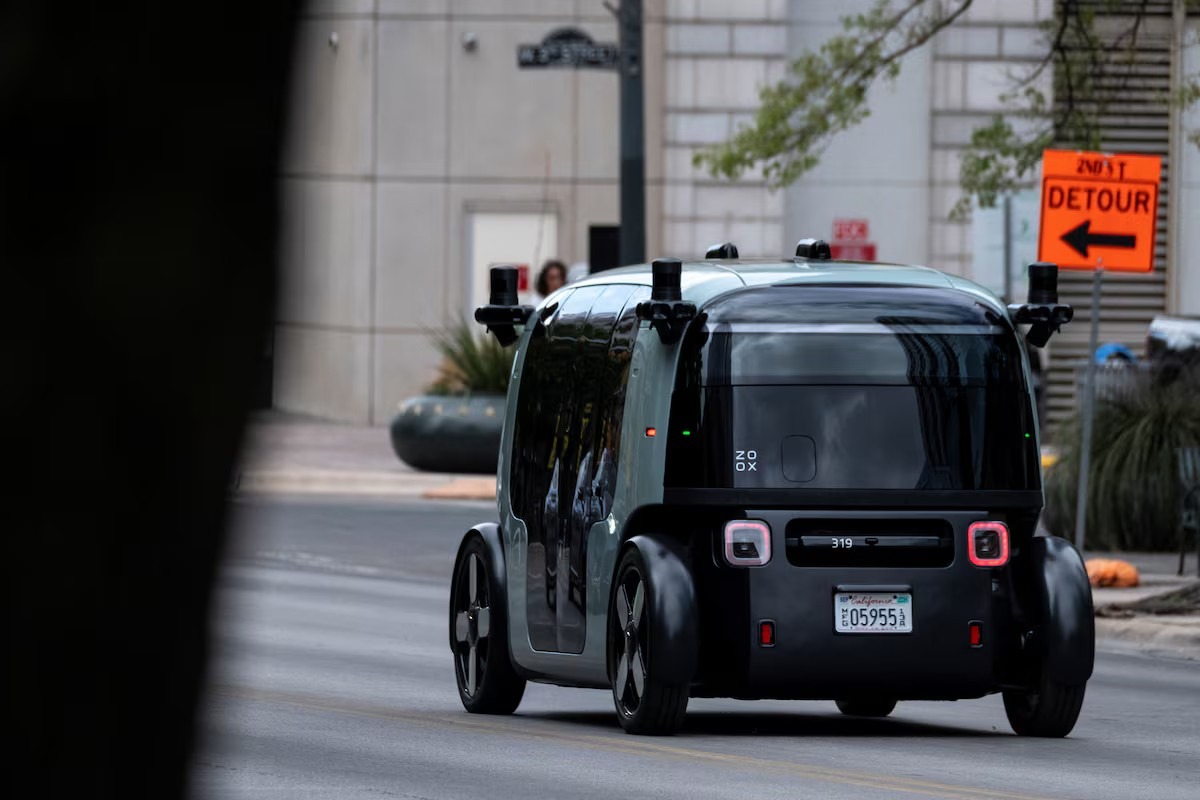
In July, the U.S. National Highway Traffic Safety Administration granted Zoox a temporary exemption allowing it to commercially deploy up to 2,500 of its purpose built vehicles annually for two years.
The exemption was significant because Zoox's vehicles do not have the conventional steering wheel and pedals found in ordinary cars.
The company now lists Las Vegas, San Francisco, Austin, Miami, Atlanta and Los Angeles among its markets.
So the problem has changed.
In 2020, Zoox was fighting to stay alive long enough to finish building the future.
In 2026, it is trying to convince people to actually live in that future.
That may be the harder part.
A passenger can understand that a company has spent years training an autonomous driving system. But understanding something and trusting it are two different things.
Getting into a car with no driver requires a level of confidence that cannot be created by a press release or a product demonstration.
This is where Aicha's background becomes useful.
She is not the engineer who invented Zoox's robotaxi, nor did she build its autonomous driving system alone. Her job is to take an ambitious technology and help turn it into an organisation capable of operating at scale.
That means dealing with money, regulation, operations, talent and, increasingly, customers.
The $30 million monthly burn was a financial problem.
Getting a vehicle without a steering wheel through America's regulatory system was a regulatory problem.
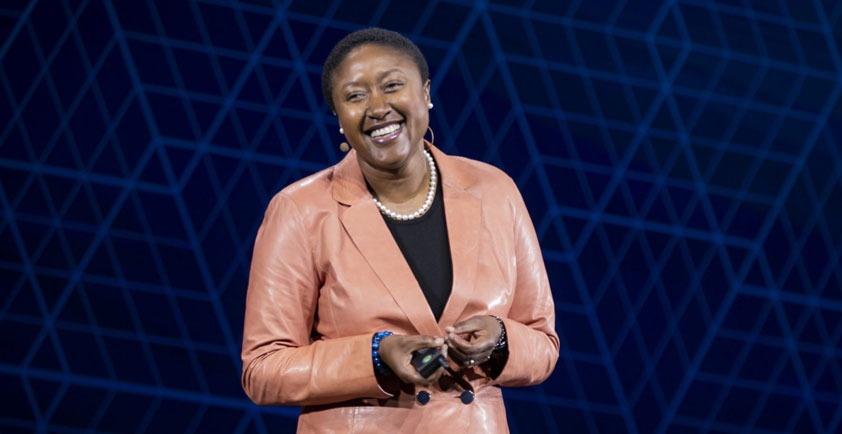
Getting ordinary people comfortable enough to book one is a trust problem.
Aicha now has to solve all three.
And the competition is getting tougher. Tesla is pushing its Cybercab, while regulators are scrutinising how the company certified its driverless vehicles.
Zoox, meanwhile, has spent years navigating its own regulatory challenges before receiving permission for limited commercial deployment.
That puts Aicha in a very different position from the one she occupied when she joined Zoox.
Back then, she was betting on a startup that was burning through millions of dollars every month.
Amazon eventually bought that bet.
Now she has to prove it was worth making.
The next milestone for Zoox is not another funding round or another impressive autonomous driving demonstration. It is whether people will willingly make the company part of their everyday lives.
Because a robotaxi can drive itself around a city and still fail as a business.
The real test begins when passengers stop treating the driverless car as a strange piece of technology and start treating it like a normal way to get home.