The African Union Is 24 Years Old. Did 9/9/99 Actually Change Africa?
27 years after the Sirte Declaration and 24 years after the African Union was formed, how much has Africa's vision of continental unity actually achieved?
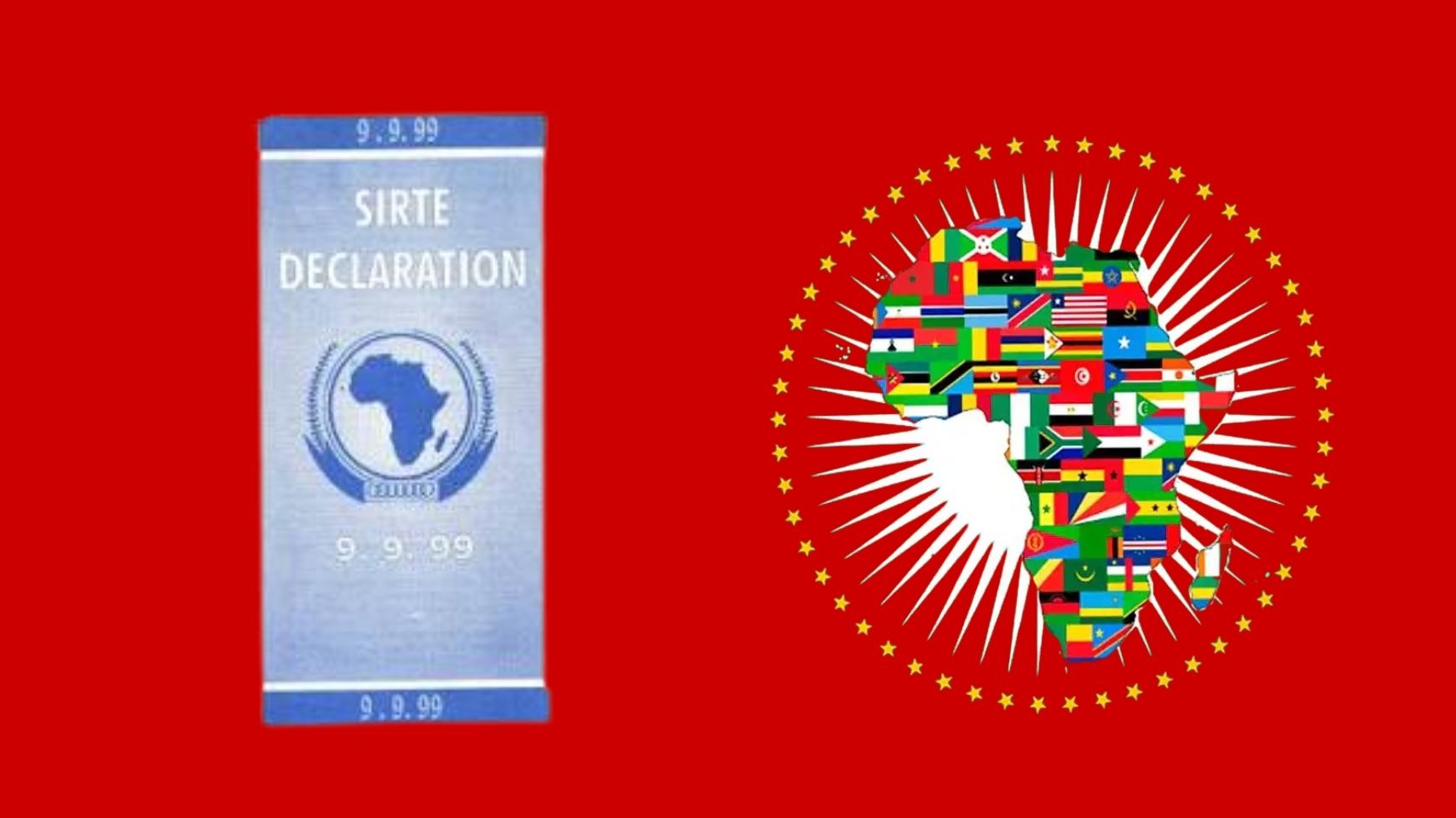
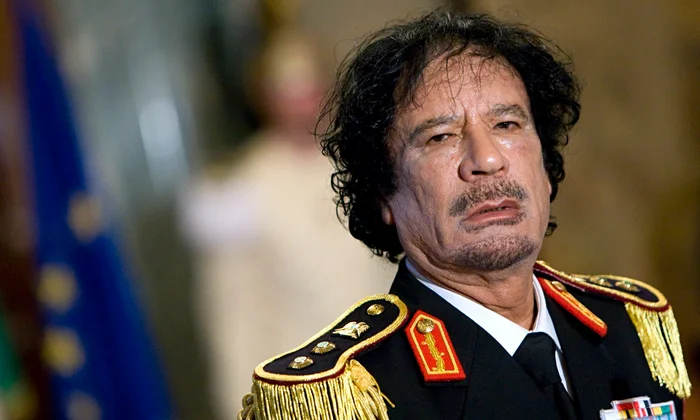
Muammar Gaddafi's tent camp in Sirte was an odd place to determine a continent's future, but that is exactly what happened there on September 9, 1999.
Fifty-three heads of state signed a single-page declaration that ended the Organisation of African Unity's 36-year run and opened the door to a Union built for trade, integration and self-determination instead of just decolonisation.
Twenty-four years after that document became an institution, but a question still lingers: did 9/9/99 actually change anything, or did it just change the letterhead?
The Night Sirte Rewrote the Rulebook
The Sirte Declaration was born out of frustration. By the late 1990s, the OAU — Organisation of African Unity — had done its job of freeing Africa from colonial rule and apartheid, but it had earned a nickname, the "Dictators' Club."
It was posited that it rarely intervened when member states abused their own citizens, and it had no real economic agenda for a continent staring down globalisation.
At an extraordinary summit called by Gaddafi, African leaders admitted the organisation built for liberation could not carry the weight of development. They agreed to build a new one.
The Sirte Declaration set the intention, the Lomé Summit of 2000signed the Constitutive Act that gave it legal standing, and the Lusaka Summit of 2001 mapped the transition.
The African Union was formally launched in Durban in July 2002, with Thabo Mbeki as its first chair.
So when people mark this anniversary on September 9, they are really honouring the spark.
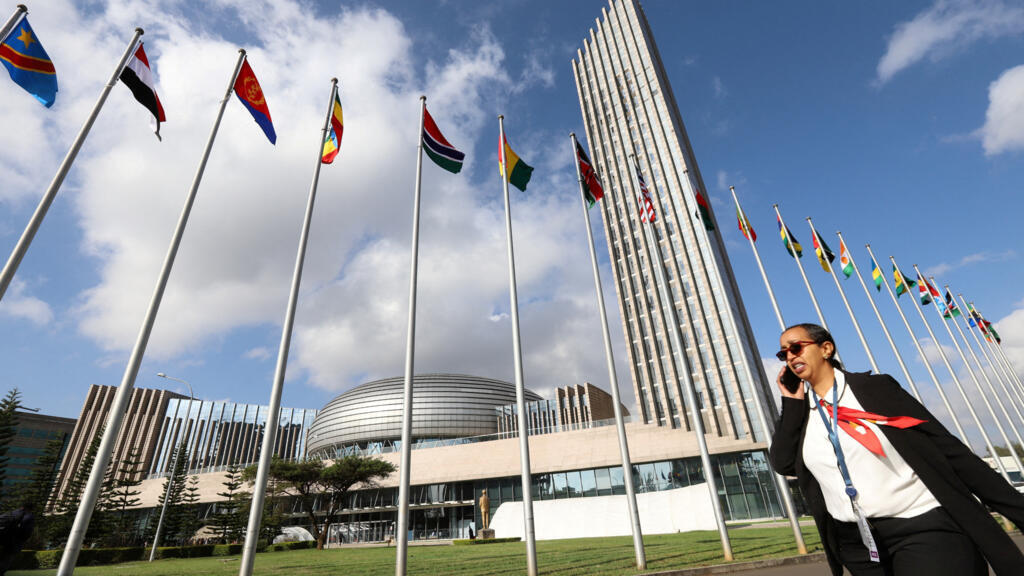
What the African Union Has Actually Built
The AU has delivered things the OAU never could.
The African Continental Free Trade Area, which went live in 2021, created the largest free trade bloc in the world by number of member states, with an eventual market of over a billion people and a combined GDP north of three trillion dollars.
It is still young and not so strong in execution, but pilot shipments have already moved under its rules, and the secretariat running it out of Accra is a real institution.
Then there is the Africa Centres for Disease Control and Prevention, which became the Union's clearest proof of concept during COVID-19.
Africa CDC helped coordinate the procurement of hundreds of millions of vaccine doses through the African Vaccine Acquisition Trust. It was able to do that with pooled continental muscle that would have been unthinkable under the old order.
The AU's Peace and Security Council and its early warning systems have also mediated conflicts and deployed peacekeepers in places the international community was slow to touch, from Somalia to the Sahel.
Agenda 2063, the fifty-year master plan adopted in 2013, gave all of this a shared vocabulary and a scoreboard, even if the continent only cleared about half its targets in the first ten-year cycle.
The Cracks Behind the Flag

Critics still call the AU a "club of leaders" rather than a union of people. They still refer to it as an assembly that finds its voice for ribbon-cutting but goes quiet when member states backslide into coups or crackdowns.
Sudan, the Sahel and eastern Congo have tested the Union's Peace and Security Council in the last few years, and the results have been mixed at best. Suspending a government after a coup makes headlines, but it rarely restores the ballot box on any predictable timeline.
Money is the other open wound. The AU still leans heavily on external partners to fund its operating budget, which undercuts the sovereignty the Sirte Declaration was supposed to guarantee.
A union that cannot pay its own bills has limited leverage to demand accountability from the same governments writing the cheques, and donors inevitably attach their own priorities to the funding they provide.
Intra-African trade still hovers around fifteen to eighteen percent of the continent's total trade, a figure that has barely moved despite AfCFTA's launch, because non-tariff barriers, poor infrastructure and border bureaucracy keep goods stuck at checkpoints instead of moving between economies that are meant to be integrating.
The African passport promised underAgenda 2063, the one meant to let any African move across the continent as easily as within their own country, still exists mostly as a diplomatic prop.
Institutional reform efforts, championed most recently by Kenya's president after Rwanda handed over the mandate, keep circling the same structural questions about staffing, financing and political will without fully resolving them.
The Unfinished Business Africa Cannot Outsource
None of this means 9/9/99 was hollow. It means the Union it created is still a work in progress.
The "Silencing the Guns" initiative, meant to end all armed conflict on the continent, has slipped past its original 2020 deadline and now folds into the current Decade of Acceleration running to 2033.
Continental free movement, a genuine common market and a Union less dependent on foreign donors for its own budget remain the honest unfinished business of Sirte's promise.
What the Sirte Declaration changed, more than anything else, was the ambition and its height. Africa stopped organising itself only around resistance and started organising around integration, even if the execution has lagged the vision by decades.
Whether that ambition becomes a lived reality for the next generation, the ones who will actually use a common market or a continental passport, depends less on what was signed in a Libyan tent in 1999 and more on what member states are willing to give up for it now.
Sirte lit the match. Twenty-four years later, Africa is still deciding how big to let the fire grow, and that decision, unlike the one made in a Libyan tent, cannot be signed by fifty-three leaders alone.